
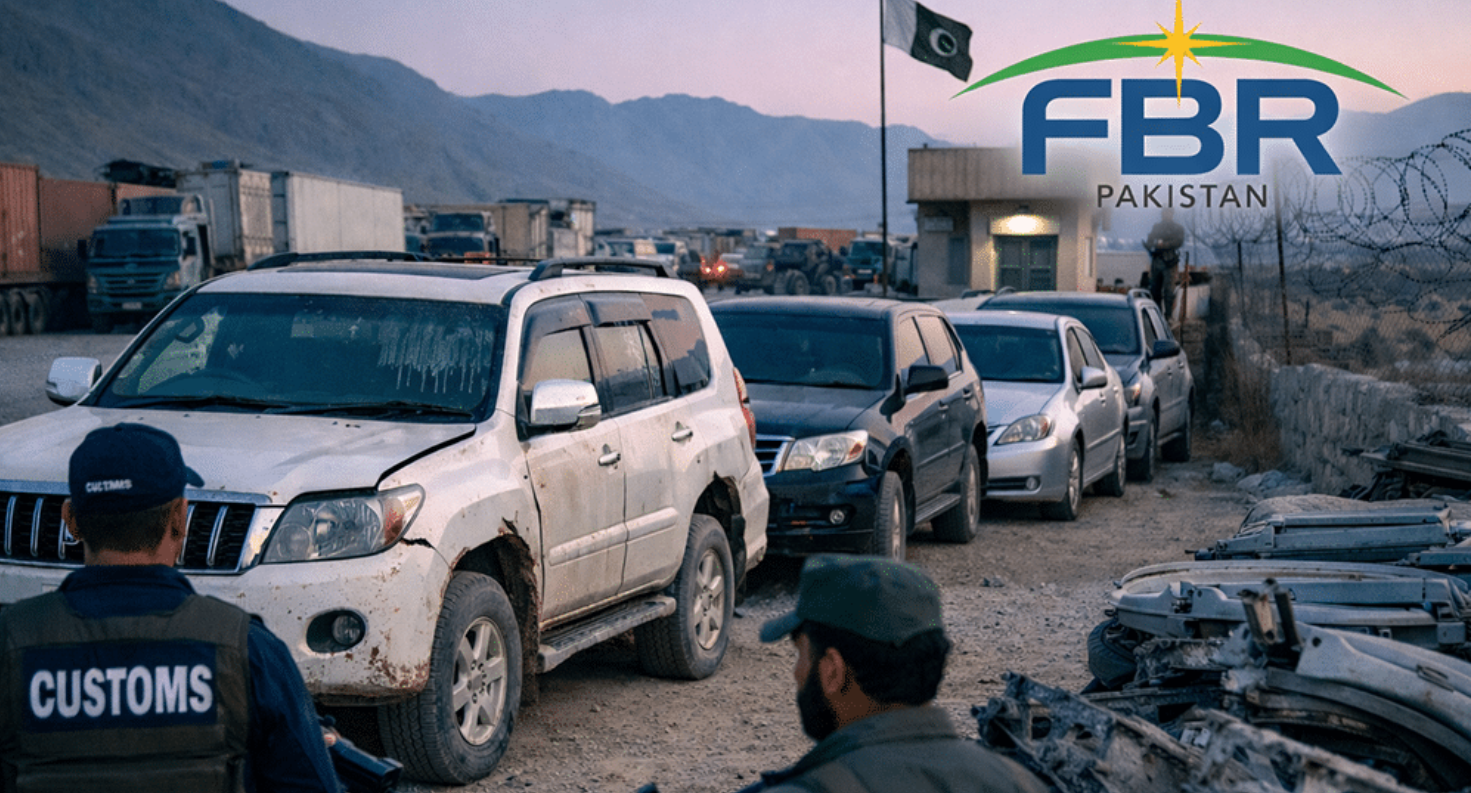

The FBR confiscated vehicles policy Pakistan marks a significant shift in how seized assets are utilized. Authorities have allowed the use of confiscated high-engine vehicles for operational duties.
This decision became effective in April 2026. It focuses on vehicles with engine capacities above 1800cc. These vehicles will now support anti-smuggling and enforcement operations.
Moreover, the move aims to strengthen field operations. It also ensures better use of previously idle assets.
Deployment in High-Risk and Border Areas
Under the new policy, these vehicles will be used in challenging regions. These include remote and border areas where operational mobility is essential.
Formations in Balochistan and Khyber Pakhtunkhwa will particularly benefit. Additionally, transit trade and border stations will also receive allocations.
Therefore, enforcement teams can improve response times. This will enhance their ability to manage anti-smuggling activities effectively.
Clear Rules for Allocation and Approval
The policy introduces a structured process for vehicle allocation. Departments must submit detailed proposals before receiving vehicles.
These proposals should justify operational needs and staffing requirements. A central committee will review all requests carefully.
After evaluation, approvals will be granted accordingly. This ensures transparency and prevents misuse of resources.
Furthermore, periodic reviews will take place. Departments must reassess their requirements every quarter.
Strict Restrictions on Public Sale
The policy clearly prohibits the sale of such vehicles to individuals. Instead, only government and semi-government organizations can acquire them.
Eligible institutions include educational, medical, and scientific bodies. This restriction ensures that vehicles remain in public service use.
Additionally, a defined procedure governs all transfers and disposals. This reduces the risk of irregularities in the system.
Digital Tracking System to Ensure Transparency
To improve accountability, a digital tracking system will be introduced. This system will record complete details of each confiscated vehicle.
Information such as forensic reports, photographs, and condition status will be stored. Moreover, litigation status will also be included.
Authorized departments will have access to this database. As a result, monitoring and verification will become more efficient.
End-of-Life Disposal and Redistribution
The policy also addresses vehicle disposal after service life. Departments can recommend dismantling if vehicles become unusable.
In such cases, vehicles must be returned to customs authorities. Proper procedures will then be followed for disposal.
Additionally, certain vehicles may be transferred free of cost. This applies to institutions that can benefit from them.
However, any vehicle that remains unused for five years will be dismantled. This ensures that resources are not wasted.
Final Thoughts
The FBR confiscated vehicles policy Pakistan introduces a practical approach to asset management. It combines operational efficiency with transparency.
By reusing confiscated vehicles, authorities can strengthen enforcement capabilities. At the same time, strict rules ensure accountability.
Overall, the policy reflects a balanced strategy. It turns seized assets into valuable resources for public service.

