
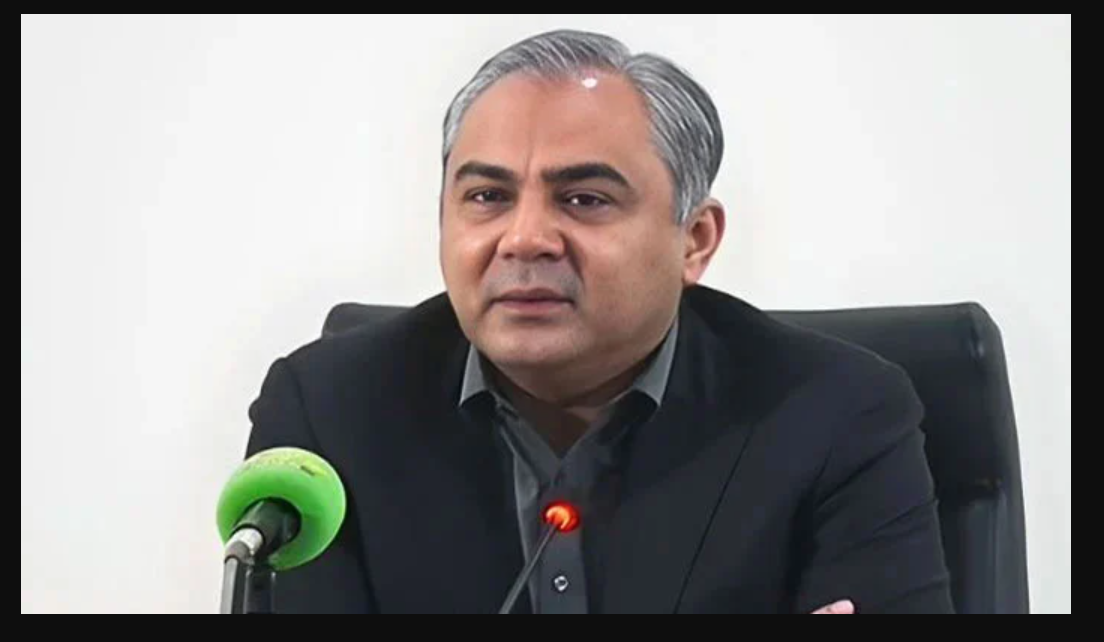

Interior Minister Mohsin Naqvi has urged Pakistan’s business community to bring back at least 30 percent of their wealth. He made this appeal while addressing a business gathering in Karachi.
He stated that immediate repatriation could strengthen Pakistan’s fragile economic position. According to him, timely action could ease pressure before the upcoming federal budget.
Naqvi emphasized that Pakistan needs financial stability and investor cooperation. He also stressed that the country offers strong returns for investment.
$100 Billion Estimated to Have Moved Abroad
The interior minister revealed that nearly $100 billion has moved abroad in recent years. He highlighted that even partial recovery could significantly improve the economy.
He said that if business leaders act together, up to $10 billion could return quickly. This inflow, he added, could arrive before the federal budget is announced.
Naqvi warned that financial flows can be traced if required. However, he encouraged voluntary cooperation instead of enforcement actions.
He also hinted that selective investigations could expose hidden financial routes. Still, he insisted the government prefers engagement with the business sector.
Economic Pressure and External Debt Challenges
Pakistan currently faces pressure on foreign exchange reserves. Reserves stand at around $16 billion, covering roughly three months of imports.
The country must repay $3.5 billion to the United Arab Emirates this month. Earlier, Pakistan failed to secure a rollover agreement with the UAE.
This repayment adds further strain on already limited reserves. At the same time, Pakistan continues negotiations with Saudi Arabia and China for support.
The International Monetary Fund has also reached a preliminary agreement. Pakistan expects around $1.2 billion under an existing $7 billion loan program.
The country has relied on multiple IMF programs over past decades. This dependence highlights long-standing structural economic weaknesses.
Call for Business-Friendly Reforms
Naqvi assured the business community of improved regulatory conditions. He said government institutions will become more facilitative and less restrictive.
He specifically mentioned reforms in the Federal Investigation Agency. According to him, FIA operations will be made more business-friendly.
He stressed that the entire business community should not suffer due to a few individuals.
This approach, he said, aims to improve trust between state and investors.
He also raised concerns about money changers in the financial system. He suggested they are often used for managing private funds.
Naqvi noted that authorities are reviewing their role and operations. He said discussions were already held with the finance ministry on this issue.
Warning on Financial Irregularities and Large Transaction
The interior minister also pointed to large financial transactions involving major business groups. He warned that there would be no leniency in cases of wrongdoing.
He emphasized stronger monitoring of financial movements in major cities. Authorities aim to ensure transparency in cross-border and domestic transfers.
Despite warnings, he maintained that the government supports legitimate business activity. He encouraged compliance while promising a more stable regulatory environment.
Visa Reforms and Passport Ranking Goals
Naqvi announced that proposals for trader-friendly visa policies will soon be presented. These proposals will be submitted to the prime minister for approval.
He also expressed optimism about improving Pakistan’s global mobility ranking. The goal is to move the passport ranking from 99 to 50.
He said better governance and economic stability will support this target. Improved international perception remains part of broader reform efforts.
Economic Outlook and Business Confidence
Naqvi’s statement comes at a critical financial moment for Pakistan. The country is balancing debt obligations, reserve pressure, and external financing needs.
He urged business leaders to play a proactive role in recovery. According to him, collective action can strengthen national economic resilience.
The government continues to push for investor confidence and capital inflows. At the same time, it seeks structural reforms in financial oversight.
The appeal for wealth repatriation reflects urgent fiscal priorities. It also highlights the government’s reliance on domestic business cooperation.

