
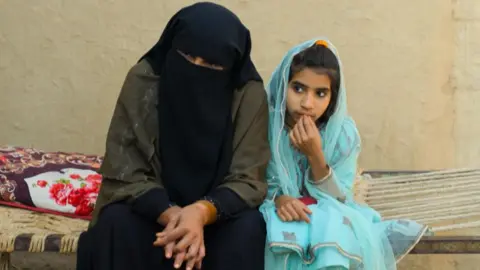

A major health investigation has revealed a disturbing HIV outbreak among children in Pakistan. At least 331 children tested positive for HIV in Taunsa, Punjab, linked to unsafe medical practices at a government hospital. The findings have intensified concerns over infection control failures in the public healthcare system.
The revelations come from an investigation by BBC Eye, which uncovered that dangerous practices continued months after the outbreak was first identified. The case is centered on Tehsil Headquarters (THQ) Hospital Taunsa, where doctors first detected unusual clusters of paediatric HIV cases in late 2024.
The outbreak has already caused multiple deaths and long-term suffering among children and families. Health experts say the crisis reflects deep systemic failures in hospital safety standards.
Syringe Reuse and Unsafe Practices Expose Children to HIV
The BBC investigation found repeated violations of basic infection control rules. Staff were filmed secretly reusing syringes and multi-dose vials on multiple patients.
In several instances, the same vial of medicine was used for different children. Syringes were reportedly reused up to 10 times. Injections were also administered without sterile gloves on dozens of occasions.
Investigators documented at least 66 cases of unsafe injection practices. In one alarming incident, a used syringe was passed between staff members for reuse.
Unqualified volunteers were also seen administering injections. These individuals were officially banned from the ward, yet still involved in treatment procedures.
Experts warn that such practices create a high risk of blood-borne infections. Even small lapses can spread viruses like HIV rapidly among patients.
331 Children Infected, Deaths Reported in Ongoing Crisis
Data compiled during the investigation shows that at least 331 children tested positive for HIV between November 2024 and October 2025. Among tested families, fewer than one in twenty parents were HIV-positive.
This suggests that most infections were not transmitted from mother to child. Instead, they are strongly linked to hospital-based exposure.
At least 19 new cases have been reported in recent months. At least nine children have already died due to complications linked to the infection.
One of the victims was eight-year-old Mohammed Amin, who died shortly after diagnosis. His sister Asma also contracted HIV and continues to receive treatment while facing social stigma.
Many families report discrimination and isolation. Children affected by HIV are often excluded from social activities due to fear and misinformation.
Leaked Reports and Denials Deepen Healthcare Controversy
A leaked inspection report by health authorities, along with findings from the World Health Organization and UNICEF, described conditions in the paediatric emergency ward as “especially concerning.”
The report highlighted reused IV fluids, unlabelled cannulas, and poor hygiene practices. Basic sanitation facilities such as hand sanitizers were reportedly missing.
Despite the findings, hospital officials have denied direct responsibility. The current medical superintendent, Dr Qasim Buzdar, suggested the footage may have been staged or recorded before his tenure. His predecessor also rejected claims that the hospital was the source.
Wider Pattern of Unsafe Injections Across Pakistan
The investigation also revealed similar outbreaks in other regions. In Karachi’s SITE Town, dozens of children tested HIV-positive after treatment at another government hospital.
Authorities later confirmed at least 84 cases linked to reused contaminated syringes. Experts say Pakistan’s high reliance on injectable treatments worsens the risk.
Medical professionals point to systemic issues, including medicine shortages, poor oversight, and unnecessary injection practices driven by patient demand.
For affected families, the crisis has left lasting trauma. Many children now require lifelong treatment. Despite stigma and suffering, some continue to hope for a better future.

