
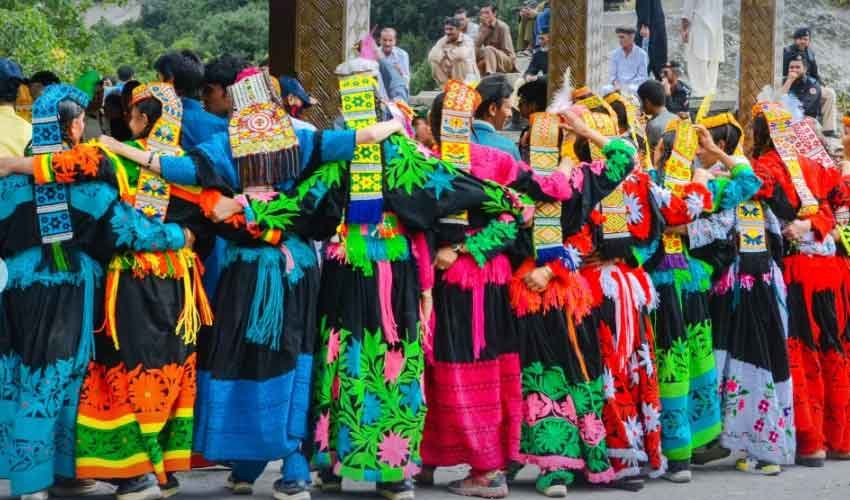

PESHAWAR: The Government of Khyber Pakhtunkhwa has introduced a landmark marriage bill for the Kalash community, marking the first formal legal framework aimed at regulating and recognising their family system.
The legislation was presented in the provincial assembly by Local Government Minister Meena Khan Afridi, and officials described it as a historic step that brings Kalash marriage and family matters under state protection for the first time.
Moreover, Chief Minister’s focal person on minority affairs Wazirzada welcomed the development, calling it a positive and long-overdue initiative for safeguarding community rights.
Under the proposed law, several key reforms have been introduced to regulate family affairs. The bill sets the minimum marriage age at 18 years for both men and women and makes the consent of both parties mandatory. In addition, it requires compulsory registration of all marriages to ensure legal recognition and transparency.
Furthermore, the legislation provides formal recognition of divorce and khula under Kalash traditions while also strengthening inheritance protections. Women will be granted clear rights to property, including entitlements after the death of a husband. Authorities have also included penalties for providing false information in marriage-related documentation.
Officials say these measures aim to reduce unregistered and underage marriages while improving accountability in family matters. As a result, the law is expected to enhance legal protection, particularly for women and vulnerable individuals within the community.
At the same time, the bill attempts to balance modern legal standards with cultural preservation. While it introduces state oversight, it also allows certain customary practices, especially related to divorce and separation, to be handled in line with traditional norms.
However, the initiative has sparked debate over whether the new framework will fully address long-standing community challenges or create friction between customary practices and formal legal structures.
Overall, the legislation is being viewed as an important step toward recognising the identity, culture and rights of the Kalash community, while experts stress that effective implementation and continued dialogue will be essential for its success.

