
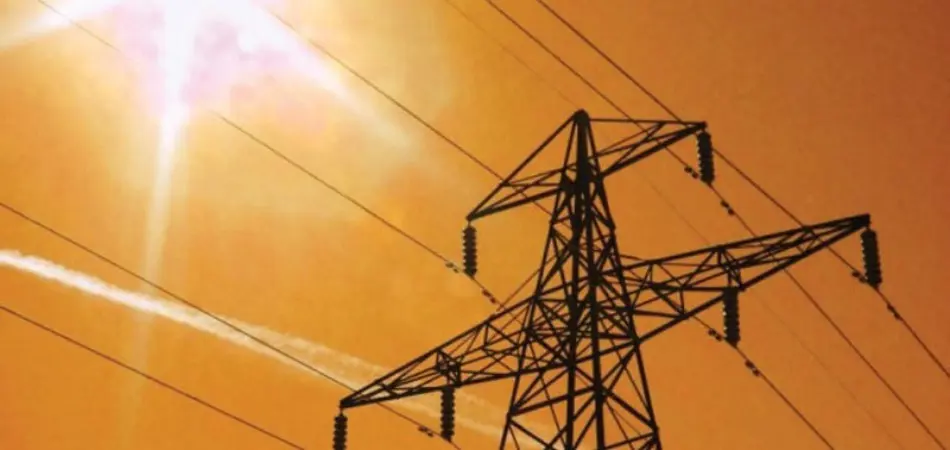

Power Division has introduced a new load management strategy to tackle rising electricity demand. The plan includes around 2.25 hours of daily load shedding during peak hours.
Officials confirmed that outages will occur between 5pm and 1am. Meanwhile, distribution companies have been directed to inform consumers about schedules in advance. This step aims to improve transparency and reduce inconvenience.
Rising Demand Poses Major Challenge
According to officials, managing electricity demand during peak hours remains a serious concern. Demand continues to surge, especially during evening hours. Therefore, controlled load shedding has been introduced as a preventive measure.
At the same time, authorities emphasized that this approach aims to avoid larger disruptions. By managing demand early, the government hopes to maintain system stability.
Efforts to Reduce Electricity Costs
The government is also focusing on controlling electricity prices. Officials believe that reducing peak demand can help limit tariff increases.
Moreover, the timely closure of commercial markets could significantly lower electricity consumption. As a result, reliance on expensive fuel sources may decrease.
Authorities explained that reduced use of costly fuels would ease pressure on electricity tariffs. This strategy could protect consumers from sudden price hikes.
Relief Measures and Cost Savings
Officials highlighted that consumers received Rs46 billion in relief between July and February. Despite rising fuel costs, electricity prices dropped by 71 paisa per unit.
In addition, the use of cost-effective energy sources has improved efficiency. Transmission upgrades and better administrative systems have also reduced losses.
Furthermore, stable electricity generation has supported consistent supply. The country currently produces enough power to meet demand under normal conditions.
Role of Local Gas and Fuel Management
The government has also increased the use of local gas in power generation. Around 80 million cubic feet per day has been supplied to power plants.
This move helped avoid an additional increase of 80 paisa per unit. It also reduced the need for stricter load management.
Officials noted that the 2.25-hour load shedding plan aims to prevent a possible rise of Rs3 per unit. Without such measures, electricity prices could have surged sharply.
Warning Over Future Tariff Pressure
Despite these efforts, authorities warned about future risks. Continued reliance on expensive fuels could still push prices upward.
Even with reduced furnace oil usage, an increase of about Rs1.5 per unit may occur. Without timely intervention, tariffs could have risen by Rs5 to Rs6 per unit.
Government Monitoring and Long-Term Strategy
The situation is being closely monitored under the direction of Shehbaz Sharif. The government has instructed authorities to prevent sharp increases in electricity prices.
Officials stressed that all possible steps are being taken to provide relief. The broader strategy focuses on minimizing the impact of global energy pressures.
Balancing Relief and Stability
Overall, the new load shedding plan reflects a balance between demand control and cost management. While short outages may cause inconvenience, they aim to prevent larger financial burdens.
As energy challenges continue globally, such measures may remain necessary. However, the government insists that consumer relief remains a top priority.

