
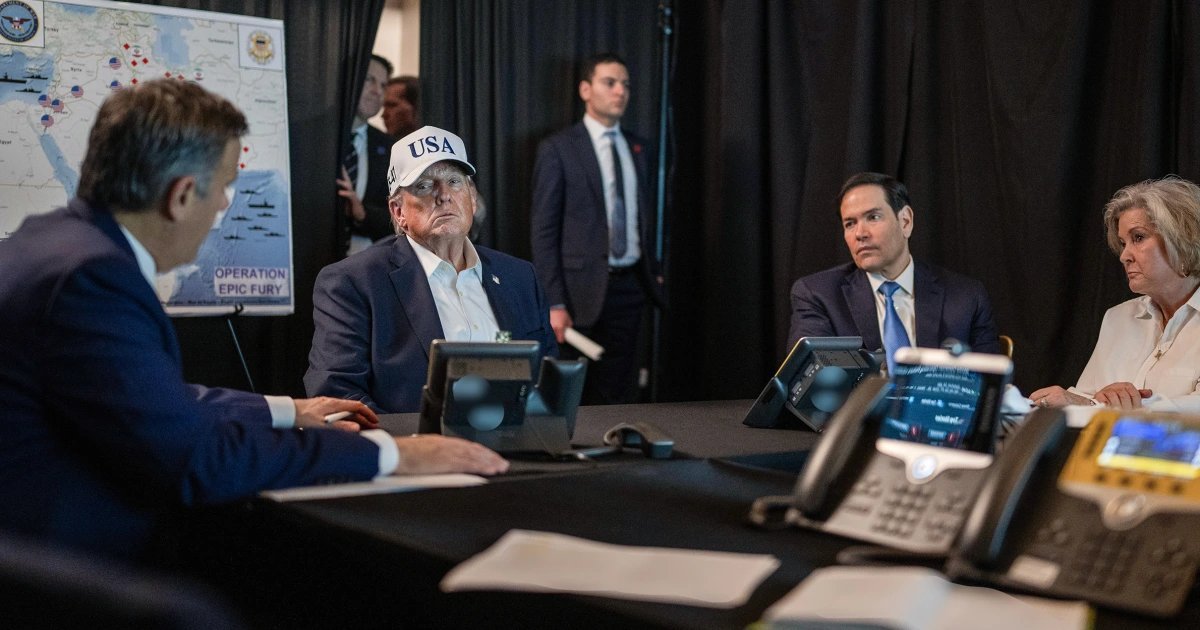

Washington prepares for a high-stakes decision Thursday EST as senior military leaders plan to brief President Donald Trump on potential actions against Iran. According to Axios, US Central Command chief Admiral Brad Cooper and Joint Chiefs Chairman Dan Caine will present three distinct strategies, each carrying significant risks and consequences. Meanwhile, officials continue to pursue diplomatic avenues, although time appears limited.
Officials outline limited strike approach
First, planners propose a “short and powerful” campaign targeting critical Iranian infrastructure. This option focuses on bridges, power plants, and refineries to impose rapid economic pressure. Supporters argue it could force concessions on Tehran’s nuclear program without committing US forces to a prolonged conflict. However, critics warn that even limited strikes could provoke retaliation and escalate tensions across the region.
Military considers direct ground presence
Second, commanders have examined a ground operation aimed at seizing parts of the Strait of Hormuz. Such a move would involve deploying US troops onto Iranian coastal territory to secure maritime navigation. Consequently, analysts view this option as a major escalation, marking the most significant American military presence in Iran in decades. They caution it could transform the conflict into a broader regional war.
Special forces raid seen as high-risk option
Finally, officials have discussed a covert mission to capture Iran’s enriched uranium stockpile. Elite units could enter nuclear facilities, extract the material, and remove it from the country. Proponents believe this approach could neutralize the nuclear issue swiftly. Nevertheless, failure would likely trigger widespread conflict.
The upcoming briefing may shape the next phase of US policy toward Iran. Officials emphasize urgency as diplomatic efforts continue alongside military planning.

