
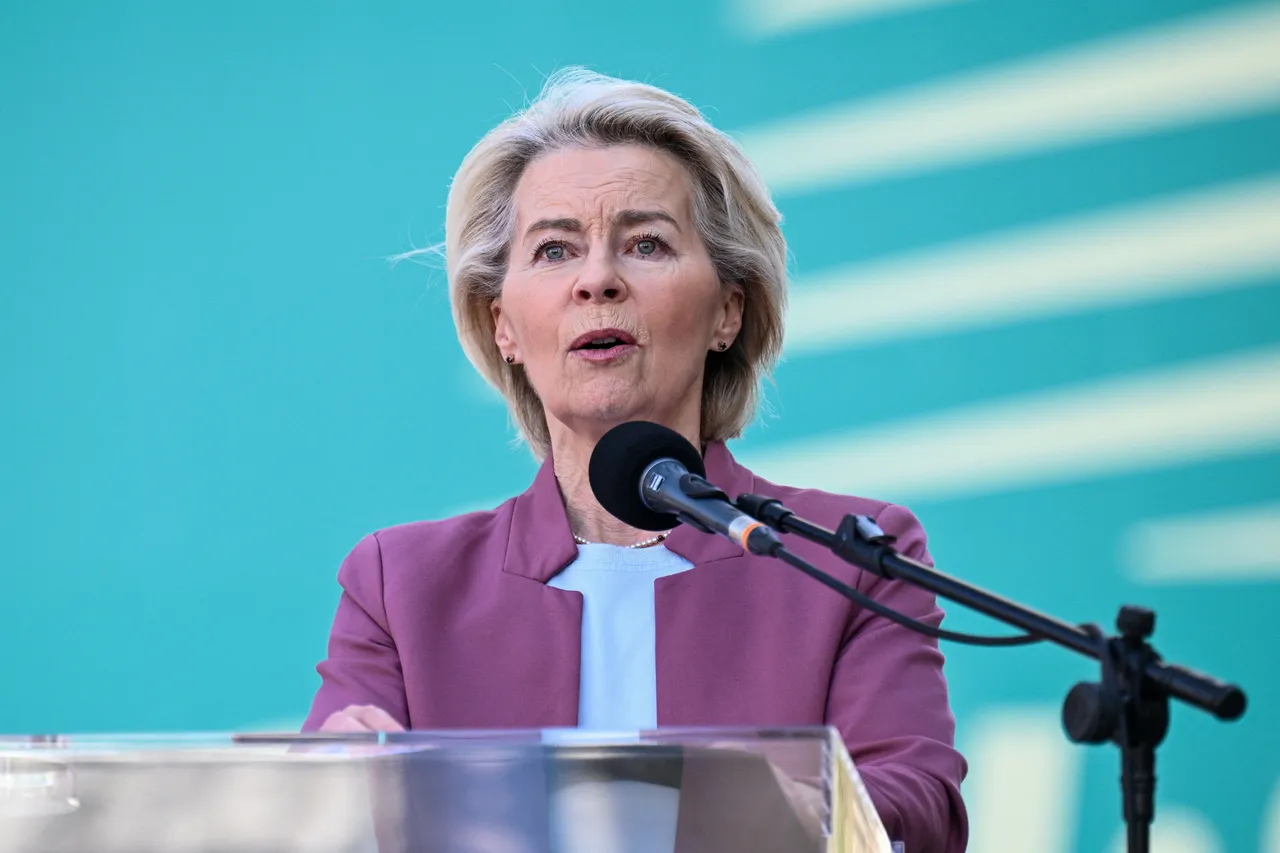

European Union foreign policy chief Kaja Kallas is set to arrive in Islamabad on June 1 for high-level discussions aimed at strengthening ties between Pakistan and the European Union.
The visit is expected to focus on strategic cooperation, regional developments, economic engagement, and future areas of collaboration. Moreover, it highlights the importance both sides place on maintaining regular dialogue and expanding their partnership.
Eighth EU-Pakistan Strategic Dialogue to Take Place in Islamabad
During her visit, Kaja Kallas will participate in the eighth round of the EU-Pakistan Strategic Dialogue alongside Deputy Prime Minister and Foreign Minister Ishaq Dar.
The dialogue serves as the highest-level platform for engagement between Pakistan and the European Union. Therefore, it provides an opportunity to review existing cooperation and identify new areas for collaboration.
Officials are expected to discuss a wide range of issues, including political engagement, economic cooperation, development partnerships, security matters, and regional stability.
Focus on Strategic Engagement Plan
A key focus of the discussions will be the Strategic Engagement Plan signed in June 2019.
The framework was designed to strengthen cooperation between Pakistan and the European Union across multiple sectors. Since then, both sides have continued to engage through institutional mechanisms and regular diplomatic contacts.
The upcoming dialogue will allow officials to assess progress made under the agreement while exploring future opportunities for deeper cooperation.
High-Level Meetings Scheduled
Apart from the strategic dialogue, Kaja Kallas is expected to hold separate meetings with Pakistan’s top leadership.
Her schedule includes meetings with President Asif Ali Zardari, Prime Minister Shehbaz Sharif, and Chief of Defence Forces Field Marshal Asim Munir.
These discussions are likely to focus on bilateral relations, regional developments, and areas of mutual interest.
Additionally, the meetings will provide an opportunity for both sides to exchange views on emerging international challenges and cooperative responses.
Engagement Beyond Government Circles
The visit will not be limited to official meetings alone.
Kallas is also expected to interact with representatives from think tanks and academic institutions during her stay in Pakistan.
Such engagements reflect the European Union’s broader approach to diplomacy. As a result, policymakers, researchers, and experts will have an opportunity to share perspectives on regional and global developments.
These discussions can contribute to stronger understanding and more informed policy cooperation between both sides.
Growing Cooperation Between Pakistan and the European Union
Pakistan and the European Union have maintained close cooperation across several important sectors.
Trade remains a major pillar of the relationship. Furthermore, both sides continue to work together on development initiatives, climate-related challenges, migration management, and regional security issues.
Regular institutional dialogue has helped strengthen communication channels and improve coordination on matters of shared concern.
Consequently, the relationship has continued to evolve through sustained engagement and diplomatic exchanges.
Why the Visit Matters
Kaja Kallas’ visit comes at a significant time for regional and international diplomacy.
As global challenges become increasingly interconnected, both Pakistan and the European Union are seeking stronger partnerships and constructive engagement.
The upcoming strategic dialogue offers an opportunity to reinforce existing cooperation while laying the groundwork for future collaboration.
With meetings scheduled at the highest levels of leadership, the visit is expected to further deepen diplomatic ties and enhance cooperation across multiple sectors.
Looking Ahead
The eighth EU-Pakistan Strategic Dialogue is expected to provide important direction for future engagement between the two sides.
As discussions move forward, both Pakistan and the European Union will seek to build upon existing achievements while exploring new avenues of cooperation.
The visit underlines a shared commitment to dialogue, partnership, and long-term collaboration in an increasingly complex global environment.

