
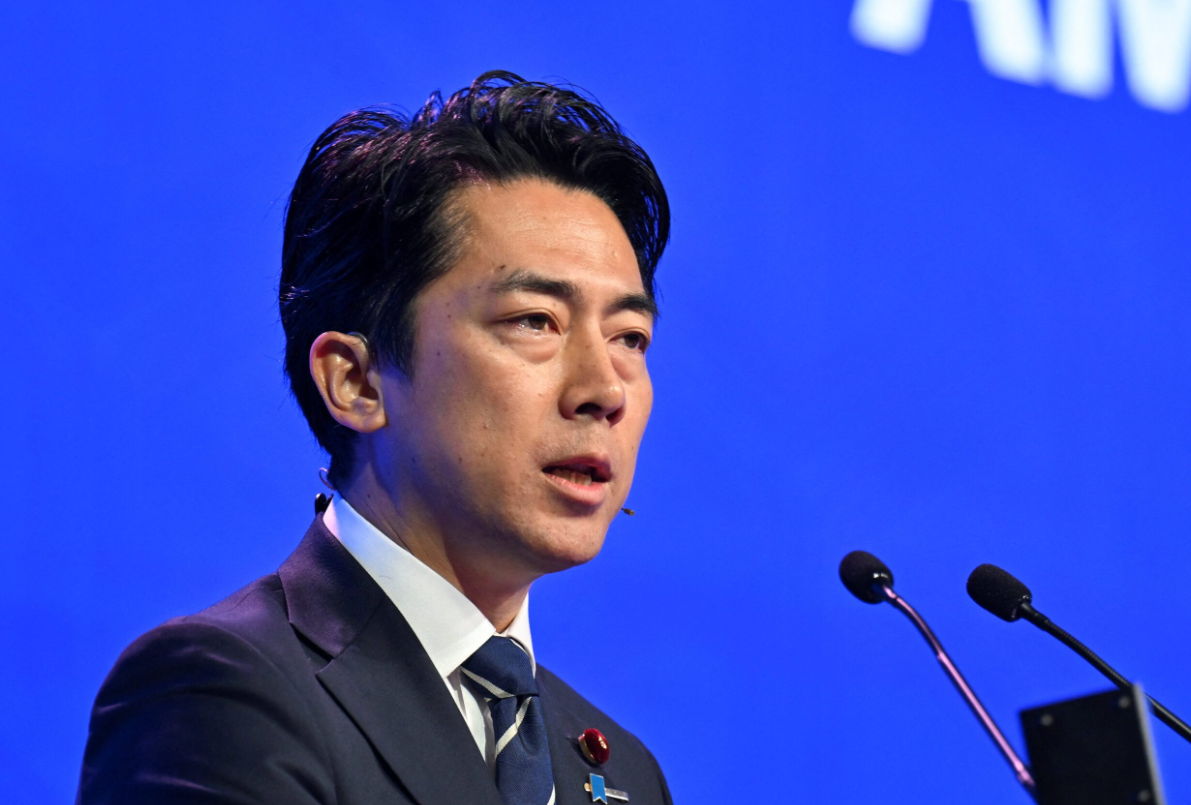

Japan has firmly rejected accusations of embracing “new militarism” while expressing concern over China’s rapidly expanding military capabilities. The latest exchange highlights growing tensions between Asia’s two largest powers amid increasing regional security challenges.
The remarks came during a major security forum in Singapore, where Japanese and Chinese representatives exchanged sharp views on defence policies, military expansion, and regional stability.
Japan Rejects Accusations of Militarism
Japan’s Defence Minister Shinjiro Koizumi dismissed claims that Tokyo is moving towards militarism, arguing that such allegations do not reflect reality.
He questioned the criticism by pointing to Japan’s military posture and capabilities.
“Think about it. There’s a country that has a huge arsenal of nuclear weapons and strategic bombers. Japan has neither of such weapons, and yet Japan is labelled ‘new militarism’?”
Koizumi stressed that Japan’s conduct since World War II demonstrates its commitment to peace, international law, and global cooperation.
According to him, Japan has consistently followed the principles of the United Nations Charter while supporting a “free and open international order.”
Concerns Over China’s Military Expansion
At the same time, Koizumi voiced concerns about China’s growing defence budget and military activities.
He said Beijing continues to increase military spending at a significant pace while providing limited transparency regarding its long-term intentions.
“China’s external approach and military activities are matters of serious concern for Japan and the international community at the same time.”
His comments reflected broader concerns shared by several countries in the Asia-Pacific region regarding security developments and military competition.
China Responds With Sharp Criticism
China has repeatedly accused Japan of reviving militaristic policies.
Earlier this year, Beijing urged countries across the Asia-Pacific region to remain vigilant and “jointly resist the reckless actions of Japan’s neo-militarism”.
During the security forum, Chinese delegate Major General Meng Xiangqing renewed those concerns.
“I deeply doubt whether a country that has not thoroughly eradicated the toxic legacy of militarism is qualified to talk extensively about defence cooperation on international occasions, and whether it can win the trust of the international community, especially the Asian countries it once invaded.”
The remarks highlighted the continuing historical tensions that still influence relations between the two neighbours.
Taiwan Issue Adds to Bilateral Strains
Relations between Japan and China have faced additional pressure because of disagreements over Taiwan.
Tensions intensified after Japanese Prime Minister Sanae Takaichi warned last year that a potential Chinese military move against Taiwan could trigger a response from Japan.
China considers Taiwan part of its territory, while Taiwan’s government rejects Beijing’s claim.
As a result, the Taiwan issue remains one of the most sensitive subjects in regional diplomacy.
Japan Signals Openness to Dialogue
Despite the sharp exchange of views, Koizumi emphasized that Japan remains willing to engage with China.
He expressed disappointment that he was unable to meet his Chinese counterpart during the forum.
“We keep the door open.”
He reiterated Japan’s commitment to maintaining dialogue with China and other regional partners to promote stability and reduce tensions.
According to Koizumi, constructive communication remains essential for maintaining peace across the region.
Japan Expands Defence Cooperation Role
Japan also signaled a stronger role in regional defence cooperation.
Koizumi said Tokyo is determined to contribute more actively to regional security and deterrence efforts.
“We seek a region that can stand against coercion. We seek a region that is not misled by falsehoods. We seek a region that is not influenced by pressure.”
His comments came shortly after Japan introduced major changes to its defence export policies.
Defence Export Policy Undergoes Major Shift
In April, Japan unveiled its most significant defence export reforms in decades.
The changes removed several restrictions on overseas arms sales. Consequently, Japanese companies can now pursue exports of warships, missiles, and other defence equipment.
Supporters argue the reforms will strengthen defence cooperation with partners. However, critics view the move as a significant shift in Japan’s post-war security posture.
Regional Security Debate Continues
The latest exchange between Japanese and Chinese officials underscores the growing strategic competition in the Asia-Pacific region.
While Japan insists its policies remain defensive, China continues to question Tokyo’s military trajectory.
Meanwhile, both countries face increasing pressure to balance security concerns with diplomatic engagement. As regional tensions evolve, their relationship will remain a key factor shaping the future security landscape of Asia.

