
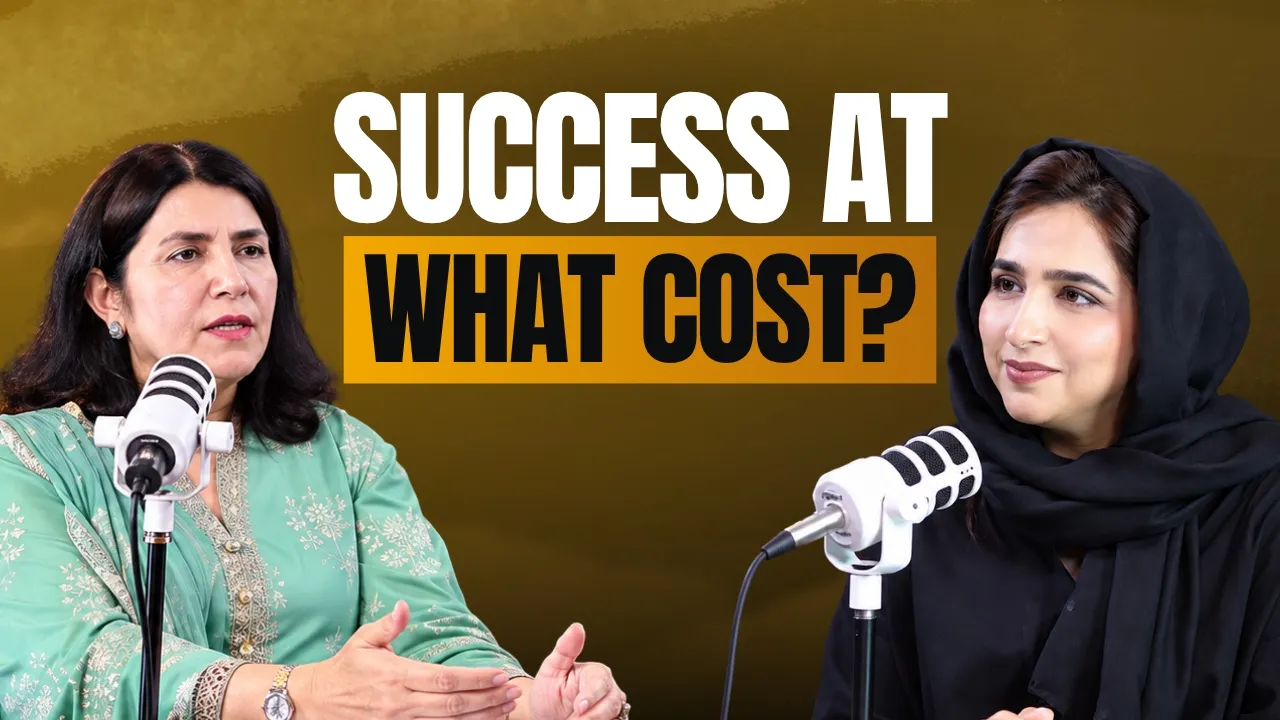

Success often comes with a price that people do not see. Career growth, financial stability and professional recognition can bring satisfaction. Yet, they can also create stress, pressure and difficult personal choices.
On the TTI Podcast, with Rabia Ali, host and coach Nausheen Yasir discussed the hidden side of success. She shared her experience of moving from banking into training and coaching. She also spoke about career breaks, emotional intelligence, stress management and the importance of maintaining balance in life.
Leaving a Career to Make Room for Family
Nausheen explained that she always had an interest in personal development and learning. She eventually left her banking career when her children grew older. At that stage, she wanted to give more time to her family.
The transition was not easy. She had already built a professional career and reached a certain position. Suddenly, she found herself at home and away from the workplace.
This experience also changed her view of homemaking. She realised that being a housewife involves constant effort and responsibility. However, society often gives less visible recognition to this work.
Professional women can receive promotions, salary increases and new responsibilities. Homemakers may not receive similar forms of recognition. This difference can affect confidence and motivation.
Nausheen later joined Toastmasters and began exploring public speaking. She found it difficult at first and even considered quitting. However, she challenged herself to continue. Over time, the experience helped her become more confident.
She also pursued a fitness course because physical health remains an important part of her personal development. For her, growth should not only focus on professional skills. It should also include physical and mental well-being.
Why Emotional Intelligence Matters
During the TTI Podcast, Nausheen also explained the importance of emotional intelligence. She described it as understanding your emotions and learning how to manage them.
People often react quickly when they feel angry, stressed or hurt. However, an immediate reaction can make a difficult situation worse. Emotional intelligence encourages people to pause before responding.
Nausheen stressed that understanding other people matters too. At the workplace, employees deal with managers, colleagues and clients every day. A thoughtful response can prevent unnecessary conflict.
The same principle applies to family relationships. Listening to a spouse, parent or child can help prevent small disagreements from becoming larger problems.
Pause Before You React
Nausheen shared several simple ways to manage strong emotions. One of them is to pause before responding.
When emotions rise, she suggested taking a short break. A person can stay quiet, walk away for a moment or change their physical position. These small actions can create space before making a decision.
She also discussed reframing situations. For example, receiving a critical email from a manager can immediately create anxiety. Instead of assuming the worst, employees can consider other possibilities.
The manager may want to improve their performance. They may also be dealing with pressure themselves. Looking at the situation from another perspective can reduce unnecessary stress.
Nausheen also recommended journaling. Writing down emotions can help people understand what they are feeling and why. It can also reveal personal triggers and show how emotions affect behaviour.
With regular practice, self-awareness and self-regulation can become stronger.
When Professional Success Comes at a Cost
The conversation eventually returned to one important question: Does professional success automatically mean success in life?
For Nausheen, the answer depends on what a person sacrifices to achieve it.
A person may reach a senior position and earn professional recognition. However, success loses its meaning if that journey destroys their health, relationships or personal values.
“If you reach a level where you cannot sustain that success, and you lose your health, relationships or values, that is not success,” Nausheen explained.
She believes success should bring satisfaction and meaning. It should not leave people feeling empty despite achieving their goals.
The discussion on the TTI Podcast highlights an important point. Success is not only about reaching a higher position. It is also about sustaining that achievement while protecting your health, relationships and sense of purpose.
As Nausheen put it, we need to define success. More importantly, that definition should leave room for a fulfilling life beyond the workplace.
For the latest updates, visit and follow The Truth International website (www.thetruthinternational.com) and subscribe to the YouTube Channel.

