

When Education Becomes More Than a Job: A Teacher’s Journey Through Pakistan’s Changing System
For many people, a career begins with a carefully planned ambition. For others, it takes shape unexpectedly. For Ayesha, an educator with three decades of experience, teaching was never the career she had imagined. What started as a practical decision eventually became a lifelong connection with children, education and the institutions that shape young minds.
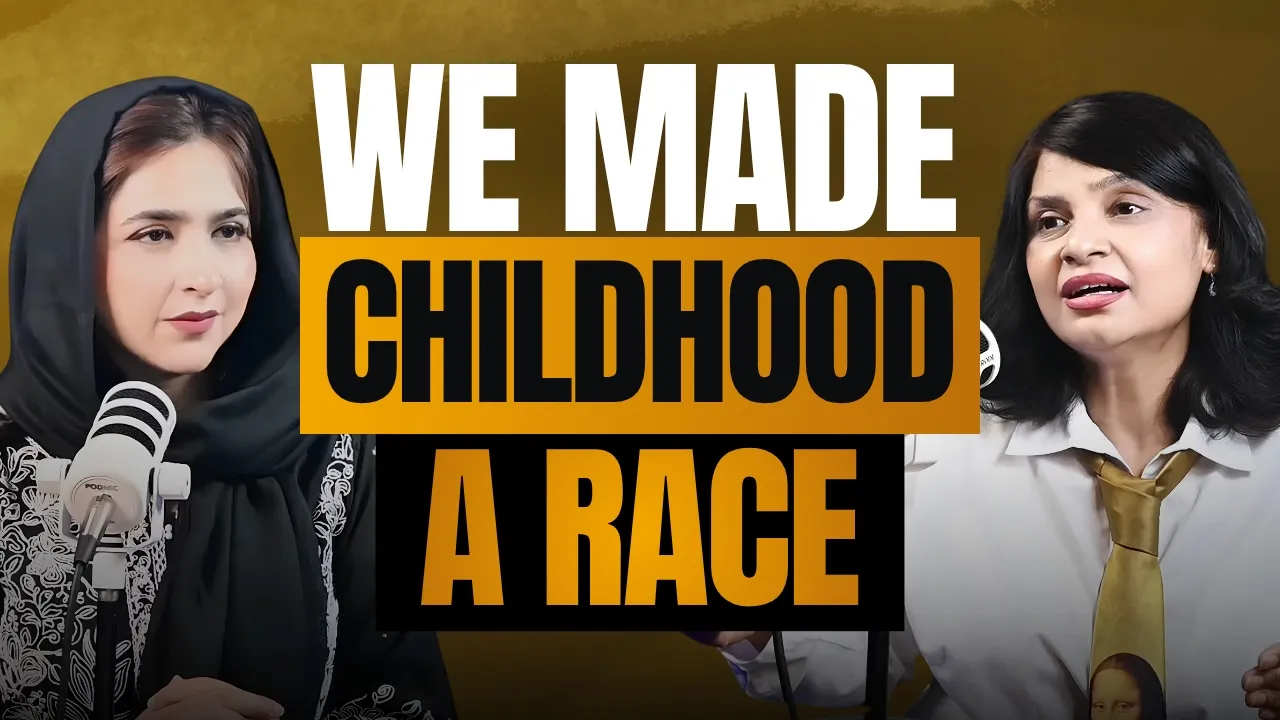
Speaking on The Truth International’s podcast, Ayesha shared her reflections on her three-decade journey as an educator, the institutional cultures she experienced, and the challenges she encountered within Pakistan’s education sector.
From Fine Arts to the Classroom
Ayesha entered the education sector as a 23-year-old graduate in the late 1990s. At that stage, she had studied fine arts and imagined a completely different future. Painting attracted her more than classrooms did. She dreamed of becoming an artist, selling her paintings and building a creative life around her passion.
Teaching, however, offered a practical path when life demanded stability. She had a young daughter and needed a profession that could support her family while allowing her to remain close to her child. At the time, teaching offered one of the few career options that could provide that balance.
Her relationship with children also made the transition easier. Growing up as the youngest among her sisters, Ayesha had always shared a close bond with her nieces and nephews. She enjoyed spending time with them, helping them and creating memories together. That affection eventually became an important part of her professional journey.
Over the years, she moved through several positions. She started as a teacher, later worked as a coordinator and eventually joined a semi-government organisation after leaving her first educational institution. Each workplace exposed her to a different way of managing people and approaching education.
When Speaking Up Becomes a Strength
The transition between these environments also changed Ayesha’s understanding of professional culture in Pakistan. She found one organisation far more structured, with clear expectations, defined responsibilities and a strong sense of direction. Her later experience introduced her to a more hierarchical environment where questioning authority often felt difficult.
Early in her career, senior colleagues advised her to remain quiet and avoid expressing her opinions too openly. At first, she wondered whether she needed to change herself to fit into the system. Perhaps staying silent, she thought, formed part of professional life.
Years of experience eventually changed that belief.
Ayesha came to see her voice as one of her greatest professional strengths. She believes that people should have the confidence to question decisions and express disagreement when necessary. A job can disappear and another opportunity can emerge, but losing the courage to speak can affect a person’s identity and confidence.
She linked this tendency to a broader historical and social mindset in Pakistan. According to her, generations of people grew accustomed to following orders rather than questioning authority. That habit can still influence workplaces, institutions and, ultimately, the way society approaches education.
The issue becomes particularly important when children enter the picture. An education system does not simply teach subjects. It also shapes how young people think, communicate and respond to authority.
The Private School Question
The conversation then moved towards another major concern in Pakistan’s education landscape: the growing preference for private schools.
For many parents, private education now represents better opportunities for their children. Even families with limited financial resources often try to manage expensive school fees because they fear that government schools may not provide their children with a successful future.
The host raised an important comparison with earlier generations. Parents and grandparents often remember receiving their education with fewer resources and simpler facilities, yet many of them still achieved strong academic results. Today’s students, in contrast, may have access to advanced curricula, better facilities and expensive schooling, but the outcomes do not always match those expectations.
This raises a difficult question: where did the system lose its way?
The answer cannot rest entirely on teachers. Nor can parents or schools carry the responsibility alone. Pakistan’s education crisis reflects a wider system where access, status and financial investment have increasingly become linked with the idea of success.
Ayesha’s own journey offers another perspective. Her career did not begin with a grand plan to become an educator. It grew through circumstances, relationships, struggle and an evolving understanding of what children need from the adults around them.
After thirty years in the field, her message points beyond classrooms and textbooks. Education also requires the freedom to think, the confidence to question and the courage to speak. Without those qualities, even the most expensive education may struggle to prepare children for the world beyond school.

