
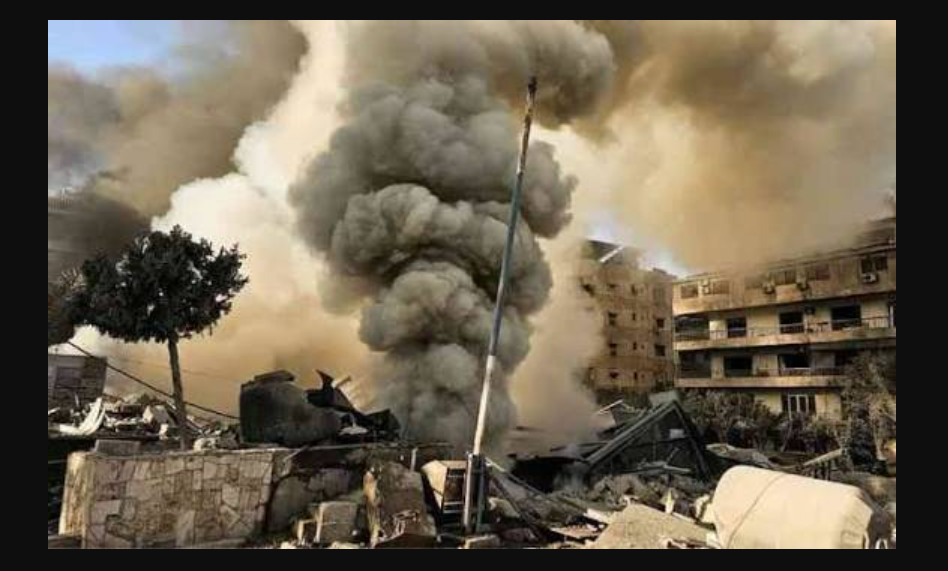

More than 30 civilians and seven soldiers have been killed in recent US strikes on southern Iran, according to Iranian government spokesperson Fatemeh Mohajerani. The reported casualties come as military tensions between Washington and Tehran continue to intensify across the region.
Mohajerani expressed condolences to the families of those killed and praised the victims. Furthermore, she said the Iranian government would continue supporting affected communities. She also described southern Iran as the “beating heart” of the country.
Meanwhile, the Iranian army vowed to respond to what it described as a “cowardly” attack on Bambour Garrison in Iranshahr. According to a statement carried by the Tasnim news agency, a decisive response would come at an appropriate time.
Iranian military officials said 13 US missiles struck facilities at a military barracks in Bampour. The attack reportedly killed seven members of the 388th Brigade and injured several others. However, the army claimed passive defence measures helped limit the number of casualties.
Officials further alleged that the strikes targeted accommodation facilities, guard posts, and a guesthouse with the intention of causing maximum casualties.
Separately, Iranian state news agency IRNA reported fresh US strikes on three locations in the southern port city of Bushehr, which is home to Iran’s only civilian nuclear power plant. Bushehr Governor Mohammad Mozafari confirmed the reported attacks, marking another escalation in the ongoing confrontation.
Meanwhile, Iran’s Islamic Revolutionary Guard Corps claimed responsibility for attacks on facilities used by the US Fifth Fleet in Bahrain. According to Iranian state television, the strikes targeted command centres, warehouses, military equipment, and fuel storage facilities.
The Revolutionary Guards also warned that the Strait of Hormuz would remain closed until the United States ended what Iran described as acts of aggression. Additionally, the group cautioned that other regional oil export routes could become targets.
The conflict between the United States and Iran, which began in late February, has continued disrupting energy supplies through the Strait of Hormuz, a vital route for global oil and gas shipments.

