
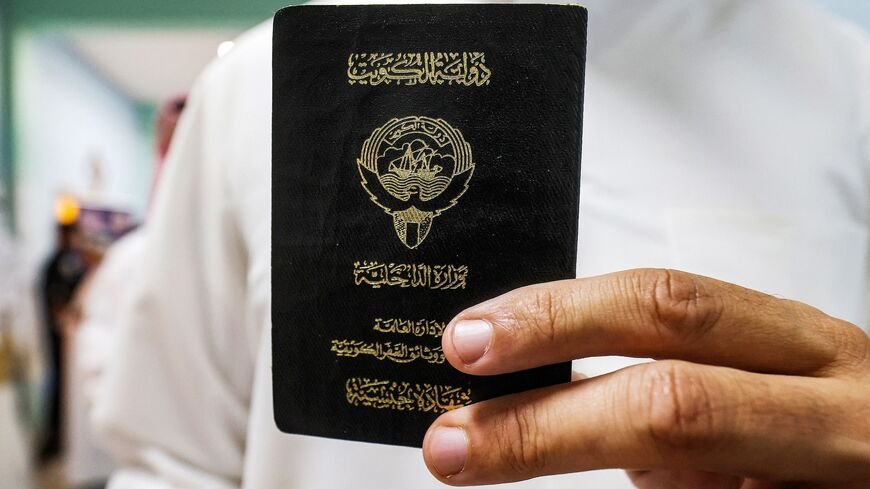

Kuwait has taken a major step to enforce its nationality laws. Authorities have revoked the citizenship of 1,266 individuals. The move reflects a stricter approach toward legal compliance and identity verification.
The decision was carried out through royal decrees issued by Mishal Al-Ahmad Al-Jaber Al-Sabah. These included orders numbered 60, 61, 62, 65, 66, and 67 of 2026. The decrees were officially published in the gazette Kuwait Alyawm on April 26, 2026.
Officials confirmed that the orders were issued a day earlier. The action forms part of a wider review of citizenship records across the country.
Majority Affected Under Single Decree
The largest number of revocations came under Decree No. 60. A total of 1,242 individuals lost their citizenship under this order. Their dependants were also impacted. This significantly increased the number of affected people.
Additional decrees targeted smaller groups. Under Decrees 61, 62, 66, and 67, one individual each lost citizenship. Their families were included in the decision.
Decree No. 65 focused on cases involving legal violations. Around 20 individuals had their citizenship certificates cancelled. This action was taken under Article 21 bis (A) of the nationality law. The provision deals with fraud and misrepresentation.
Authorities emphasized that these actions are legally grounded. Each case was reviewed under existing laws. Officials say the process aims to ensure transparency and fairness.
Fraud and Misrepresentation Cited as Key Reasons
The government outlined clear reasons behind the revocations. Many cases involved fraudulent acquisition of nationality. Others were linked to false information or incomplete documentation.
Some individuals lost citizenship because their sponsors or family members had already been stripped of nationality. This created a chain effect impacting dependents.
In one notable case, a former member of parliament was affected. The revocation was tied to the cancellation of their father’s citizenship. This highlights how family links can influence legal status.
Officials stated that maintaining accurate citizenship records is a priority. They stressed the importance of protecting the integrity of national identity systems.
Broader Policy Signals Tougher Nationality Enforcement
The move is part of a broader policy shift in Kuwait. Authorities are tightening rules around citizenship eligibility. New legal frameworks introduced in 2026 provide expanded powers.
These laws allow officials to act more decisively in cases of irregularities. Fraudulent claims and documentation errors are being closely examined.
Reports indicate that this is not an isolated action. Since 2024, thousands of individuals have faced similar outcomes. Many of them were affected alongside their families.
The government’s approach signals a long-term strategy. It aims to strengthen legal systems and ensure compliance. However, the measures also raise concerns about social and humanitarian impacts.
Observers note that citizenship revocation can have far-reaching consequences. It can affect employment, residency, and access to services.
Despite this, authorities remain firm in their stance. They view the crackdown as necessary to uphold the law. The policy is expected to continue as reviews progress.
Kuwait’s latest action sends a strong message. Legal compliance is now under stricter scrutiny than ever before.

