
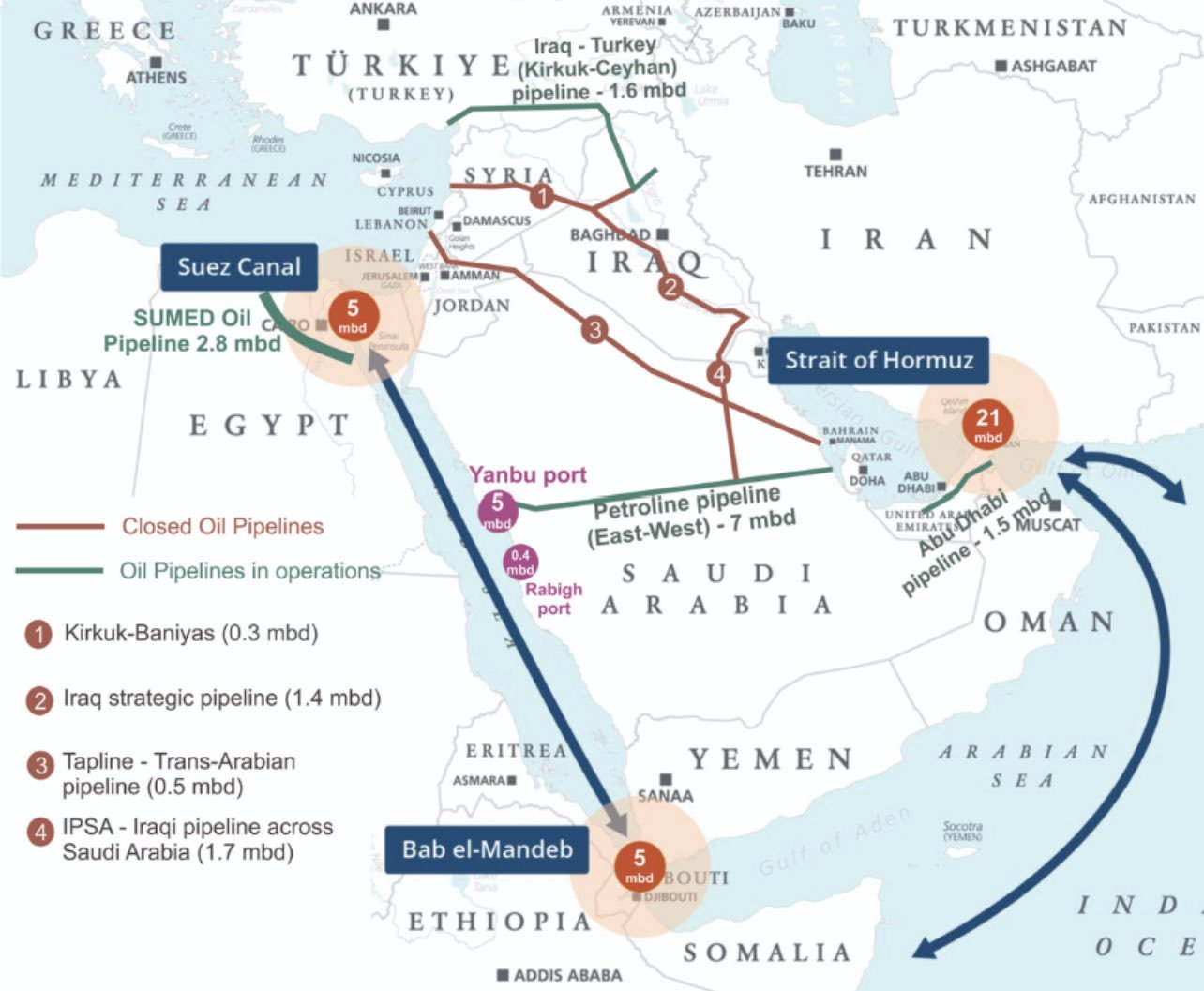

Commentary circulated on Monday framed Iran’s actions in the Strait of Hormuz as a major strategic miscalculation and described the wider escalation as a continuation of political objectives through military means, referencing Carl von Clausewitz’s theory of war.
It also stated that the US-led approach, described as Operation Epic Fury, aimed to deter Iran’s nuclear programme and reinforce deterrence rather than pursue occupation or regime change strategies.
According to the analysis, Iran’s reported attempts to pressure maritime traffic were interpreted as triggering broader vulnerabilities across global energy supply chains.
It argued that major economies such as China, Europe and Britain remain dependent on long maritime routes, making them sensitive to disruptions at key chokepoints like Hormuz and Malacca.
Furthermore, it claimed that energy diversification efforts and LNG dependence have not fully removed exposure to shipping disruptions for European states.
It also suggested that financial stability mechanisms, including Federal Reserve currency swap lines, demonstrate continued global reliance on US dollar liquidity during crises.
Finally, the commentary concluded that the confrontation underscored the enduring importance of resource access and maritime control in shaping geopolitical outcomes.
Observers noted that the narrative reflects a broader debate over deterrence, maritime security and the balance between military action and diplomatic engagement. It further emphasized that interpretations of the crisis vary significantly among analysts, governments and strategic commentators, with differing views on the effectiveness of coercive measures versus negotiation. The discussion also highlighted concerns about regional stability, trade continuity and the potential long-term implications for global supply routes, particularly if tensions persist or escalate further in key maritime corridors affecting energy and goods transport worldwide. Analysts continue to monitor developments closely amid uncertainty across global markets

