
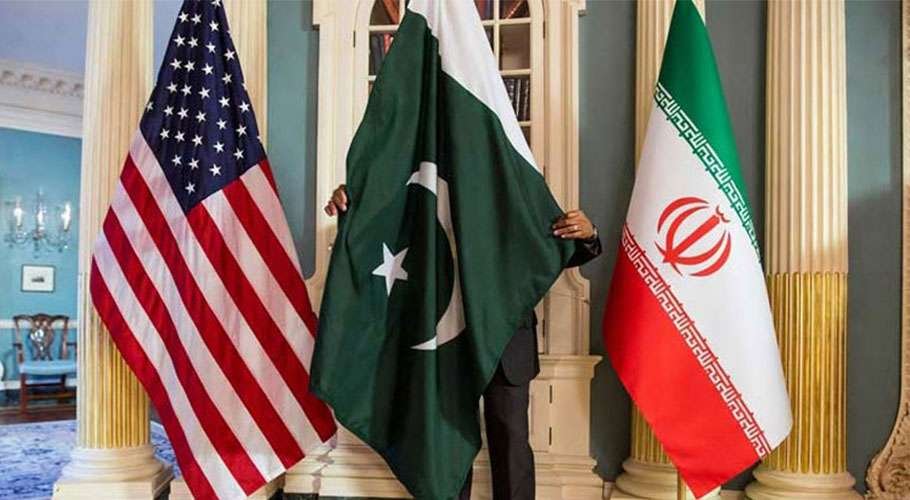

Iran, Pakistan, and the United States have all reported progress in ongoing diplomatic discussions aimed at reducing regional tensions.
Tehran is currently finalising a proposed 14-point memorandum of understanding with Washington. The framework focuses on ending conflict and addressing major regional disputes.
The developments suggest increasing diplomatic activity amid efforts to avoid further escalation. However, officials also acknowledge that important gaps remain unresolved.
Tehran Moves Toward Finalising Draft Framework
Iranian Foreign Ministry spokesperson Esmaeil Baghaei stated that Tehran is in the final stages of preparing the proposed memorandum.
“Our approach has been to draft a 14-point memorandum of understanding that includes the most important issues necessary for ending the war and matters that are fundamental for us,” Baghaei said.
“We are in the final stage of finalising this memorandum of understanding,” he added.
According to Iranian officials, the framework focuses on ending the conflict and easing regional tensions. It also includes issues Tehran considers strategically important.
Key Priorities in the Proposed Agreement
Iran says the proposed framework includes ending the war and lifting the US naval blockade. Tehran is also seeking the release of frozen Iranian assets.
Additionally, the draft addresses arrangements related to the Strait of Hormuz. Iranian officials described the issue as central to regional maritime security.
“The issue of the Strait of Hormuz is among the subjects addressed in this 14-point memorandum of understanding, but more importantly, ending the piracy carried out by the United States against international navigation,” Baghaei said.
Nuclear Issue Put Aside for Initial Phase
Iranian officials clarified that nuclear discussions are not part of the immediate framework. Instead, Tehran says the current focus is ending conflict across the region.
“At this stage, we will not discuss the details of the nuclear issue. We have decided to prioritise an urgent issue for all of us: ending the war on all fronts, including Lebanon,” Baghaei told state television.
He further stated that the nuclear file would be discussed separately at a later stage.
Iran Acknowledges Progress but Notes Differences
Iran signalled that diplomatic convergence with Washington is increasing. However, officials stressed that disagreements still remain.
Baghaei described the talks as showing “a trend towards rapprochement” while cautioning that a final agreement is not guaranteed.
“It does not necessarily mean that the United States and we will reach an agreement on the important issues,” he said.
He also noted that Tehran and Washington have not yet agreed on a shared timeline for implementation.
Pakistan Confirms Encouraging Developments
Pakistan also reported positive movement in negotiations between both sides.
According to an official statement, “The intensive negotiations over the last 24 hours have resulted in encouraging progress towards a final understanding.”
Field Marshal Asim Munir recently visited Tehran as part of Islamabad’s mediation efforts. During the visit, he met Iranian President Masoud Pezeshkian, Foreign Minister Abbas Araghchi, and senior negotiator Bagher Ghalibaf.
Pakistan continues to position itself as a mediator focused on de-escalation and constructive engagement.
Rubio Signals Possibility of Imminent Deal
US Secretary of State Marco Rubio also indicated that progress had been made. He suggested that Iran could accept an agreement soon.
“There might be some news a little later today. There may not be. I hope there will be,” Rubio told reporters during a visit to New Delhi.
However, Rubio also warned that military action remained a possibility if negotiations collapse.
Meanwhile, President Donald Trump’s decision to remain in Washington instead of attending a family wedding increased speculation about the sensitive stage of the talks.
Conclusion
Diplomatic engagement between Iran, Pakistan, and the United States appears to be entering a critical phase.
Tehran says it is finalising a 14-point framework focused on ending conflict and easing tensions. Meanwhile, Pakistan continues mediation efforts, and Washington signals cautious optimism.
Despite reported progress, several major issues remain unresolved. Therefore, the coming days may prove decisive for the future of the negotiations.

