
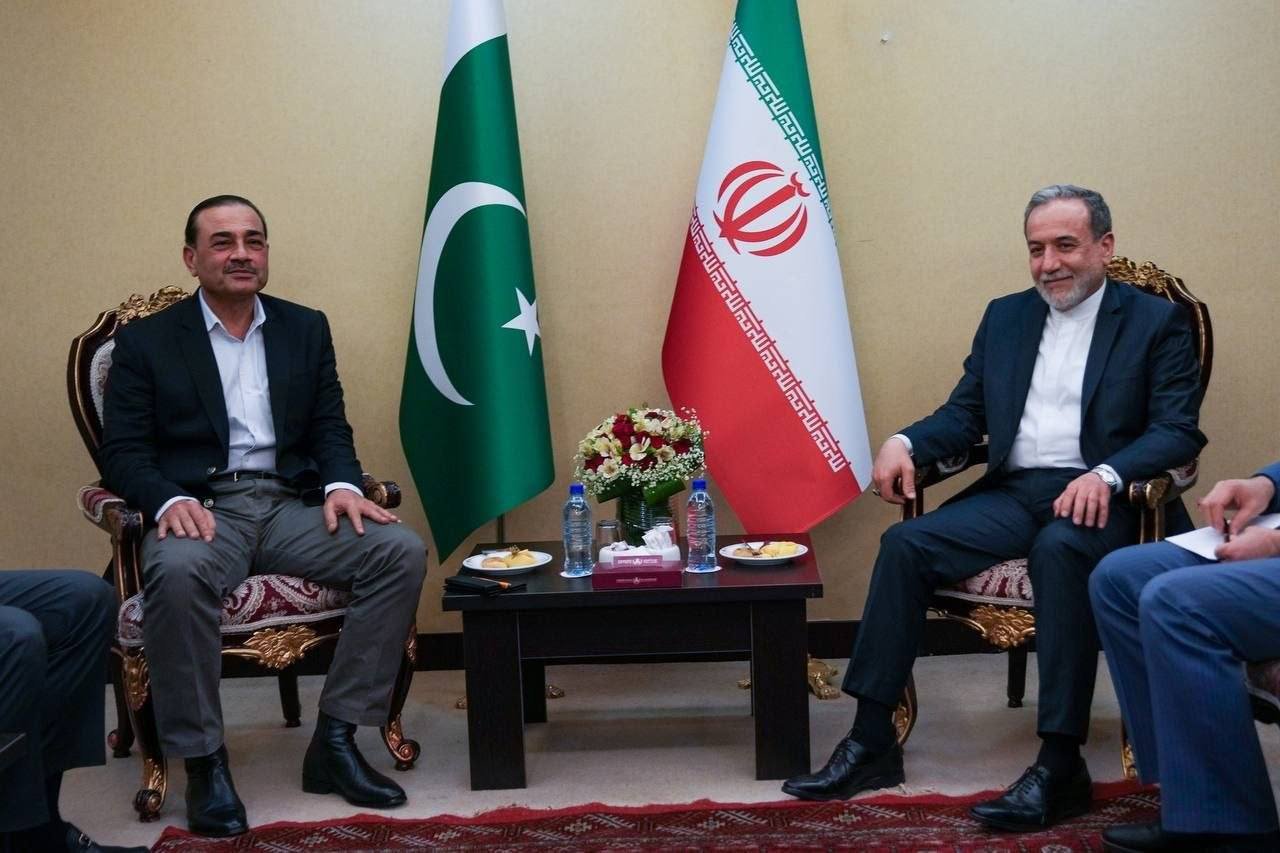

Iran has intensified its diplomatic push across key capitals. The focus now shifts to Moscow. Foreign Minister Abbas Araghchi has arrived in Russia. His visit comes at a critical moment. Efforts to revive dialogue with the United States remain stalled.
Iranian state media confirmed his early Monday arrival. He is expected to meet Vladimir Putin. The Kremlin also acknowledged the planned talks. Spokesman Dmitry Peskov said discussions are on the agenda.
Regional Diplomacy Intensifies Before Moscow Visit
Before reaching Moscow, Araghchi toured several regional capitals. He visited Islamabad and Muscat. In Pakistan, he held meetings with top leadership. These included Asim Munir, Shehbaz Sharif, and Ishaq Dar.
The visits aimed to build consensus and reduce tensions. Iran also used Pakistan as a communication channel. Reports suggest Tehran sent written messages to Washington. These outlined its red lines. Key issues included nuclear policy and the Strait of Hormuz.
However, these exchanges were not formal negotiations. Officials described them as indirect signals. Still, they show that backchannel diplomacy continues.
Strait of Hormuz Crisis Fuels Global Economic Anxiety
The situation in the Strait of Hormuz remains tense. Iran has maintained its blockade. This has disrupted global energy flows. Oil, gas, and fertiliser shipments have been affected.
Prices have surged worldwide. Developing countries face growing risks of food insecurity. The blockade has become a major pressure point. Iran views it as a strategic tool.
The Islamic Revolutionary Guard Corps reinforced this stance. It declared control over the strait as a key policy. The group warned that deterrence remains central to Iran’s strategy.
In response, the United States has taken countermeasures. Washington imposed restrictions on Iranian ports. Iran’s military strongly criticized these actions. It warned of consequences if pressure continues.
Doubts Over US Intentions and Future Talks
Diplomatic uncertainty continues to grow. Araghchi has questioned Washington’s commitment to talks. He said it is unclear if the US is serious about diplomacy.
Plans for direct engagement recently collapsed. A proposed visit by US officials was cancelled. Donald Trump dismissed the effort. He described it as unproductive.
Despite this, Trump suggested communication remains possible. He said Iran could contact the White House directly. He emphasized that secure communication lines exist.
He also downplayed fears of renewed conflict. According to him, cancelling talks does not mean escalation.
Still, the overall outlook remains fragile. The ceasefire linked to the US-Israel tensions is holding for now. Yet, economic and political pressures continue to rise.
Iran’s diplomatic moves signal urgency. Its outreach to Moscow may shape the next phase. The world watches closely as tensions balance between dialogue and confrontation.

