
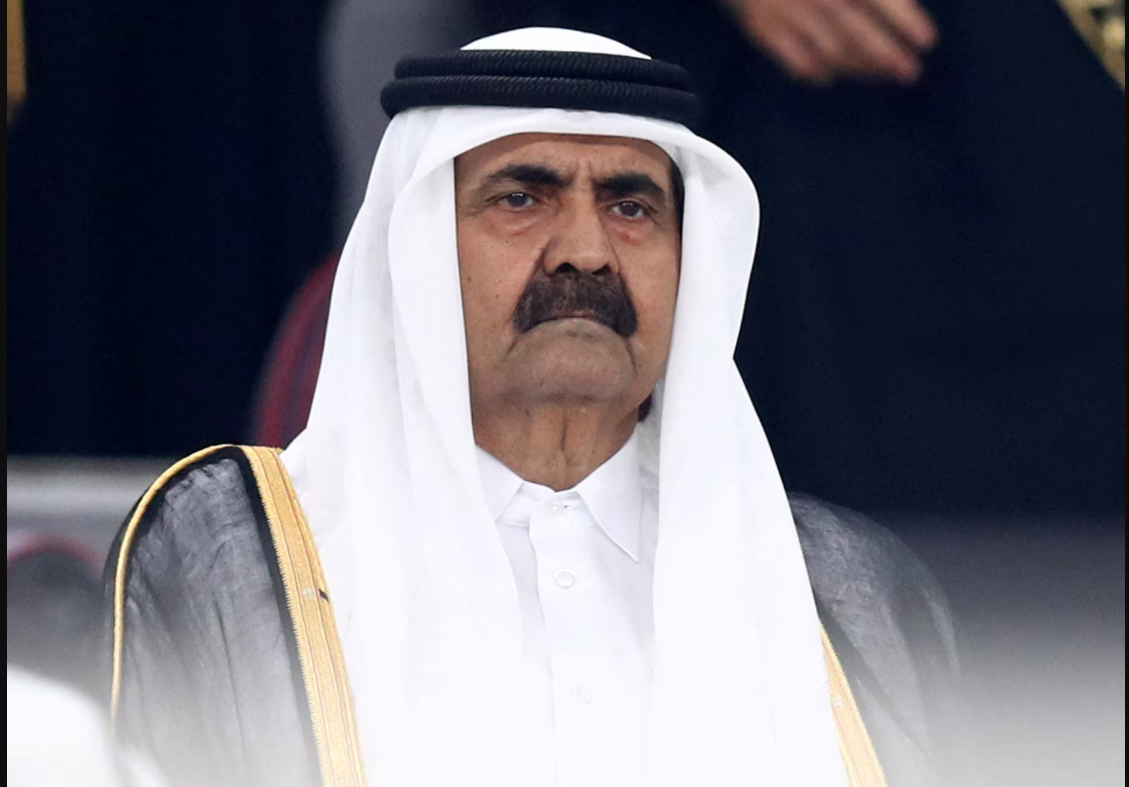

Former Qatar emir Sheikh Hamad bin Khalifa Al Thani has died at the age of 74, according to an announcement by the country’s Amiri Diwan on Sunday.
Sheikh Hamad led Qatar from 1995 to 2013 and played a central role in transforming the Gulf nation into a major regional and global power. During his rule, Qatar expanded its diplomatic influence, strengthened its economy, and gained worldwide recognition through strategic investments and international initiatives.
The Amiri Diwan confirmed his passing in an official statement.
“The Amiri Diwan announced the death of HH the Father Amir Sheikh Hamad bin Khalifa Al Thani on Sunday morning. May Allah have mercy on his soul and grant him the best reward for what he achieved for his homeland and nation.”
Sheikh Hamad’s Leadership Changed Qatar’s Global Standing
Sheikh Hamad assumed power in 1995 after a bloodless change in leadership. Over the following years, he reshaped Qatar’s international image through economic growth, diplomatic engagement, and media influence.
His government invested heavily in the country’s natural gas sector. As a result, Qatar became the world’s largest exporter of liquefied natural gas (LNG). This economic success also allowed the country to expand its global investment portfolio and strengthen its role in regional diplomacy.
Moreover, Qatar emerged as an influential player in international affairs despite its relatively small population.
Al Jazeera and the 2022 FIFA World Cup Elevated Qatar’s Profile
One of Sheikh Hamad’s most significant achievements was supporting the growth of the Al Jazeera television network. The broadcaster helped increase Qatar’s international visibility and influence.
In addition, Qatar successfully secured hosting rights for the 2022 FIFA World Cup during his leadership. The tournament placed the country at the center of global attention and marked the first FIFA World Cup held in the Middle East.
These milestones significantly enhanced Qatar’s international reputation.
Peaceful Transfer of Power in 2013
In June 2013, Sheikh Hamad voluntarily transferred power to his son, Sheikh Tamim bin Hamad Al Thani, who continues to serve as Qatar’s emir.
The transition was considered unusual in the Gulf region because hereditary rulers rarely abdicate voluntarily. The move aimed to ensure political stability and a smooth leadership transition.
Interestingly, Sheikh Hamad himself had taken power in 1995 through a bloodless coup that replaced his father as the country’s ruler.
Lasting Legacy
Sheikh Hamad leaves behind a lasting legacy of modernization and national development. During his tenure, Qatar evolved from a small Gulf state into an influential nation with a strong economy, global investments, and an active diplomatic presence.
His leadership helped position Qatar as a major voice in Middle Eastern affairs while expanding its international reach through media, energy exports, and global sporting events. His contributions continue to shape the country’s role on the world stage.

