
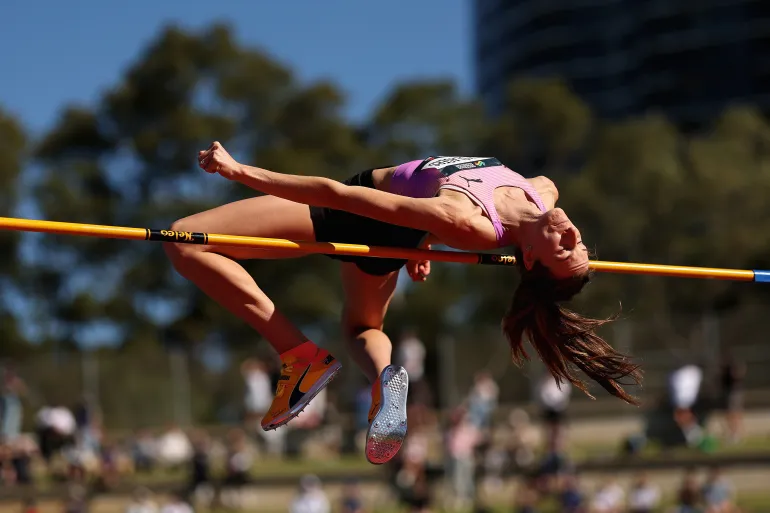

European Athletics and the European Broadcasting Union have introduced new broadcasting guidelines for women’s sports. The measures aim to prevent the sexualisation of female athletes during televised competitions.
The organisations announced the guidelines after receiving feedback from athletes across different sporting events. Many competitors said certain camera angles caused discomfort and distracted attention from their performances.
Officials said the new standards would encourage respectful sports coverage while maintaining high broadcasting quality. They also hope the changes will reduce inappropriate use of sports footage online.
New Guidelines Focus on Respectful Coverage
European Athletics President Dobromir Karamarinov described the initiative as an important step for the sport. He said the guidelines would help eliminate harmful portrayals while preserving excellent storytelling.
Broadcasters have been advised to avoid prolonged close-up shots of specific body parts. Additionally, they should not use low-angle views filmed from behind or beneath athletes.
The guidance also discourages slow-motion replays that do not improve viewers’ understanding of the competition. Instead, coverage should remain focused on athletic performance and sporting achievement.
Furthermore, production teams are encouraged to use wider camera angles throughout events. These shots better capture an athlete’s complete movement and overall performance.
Athletes Welcome Changes to Sports Broadcasting
Former world long jump champion Ivana Spanovic supported the updated broadcasting recommendations. She encouraged broadcasters to adopt more creative and educational camera techniques.
Spanovic suggested aerial views and visual graphics to explain athletic techniques more effectively. She also said slow-motion footage should highlight technical precision rather than unnecessary body-focused shots.
According to the organisations, the guidelines will help reduce footage being shared out of context. Consequently, female athletes can compete with fewer concerns about inappropriate broadcasting practices.
The new recommendations reflect growing efforts to improve fairness, respect, and professionalism in international sports coverage.

