
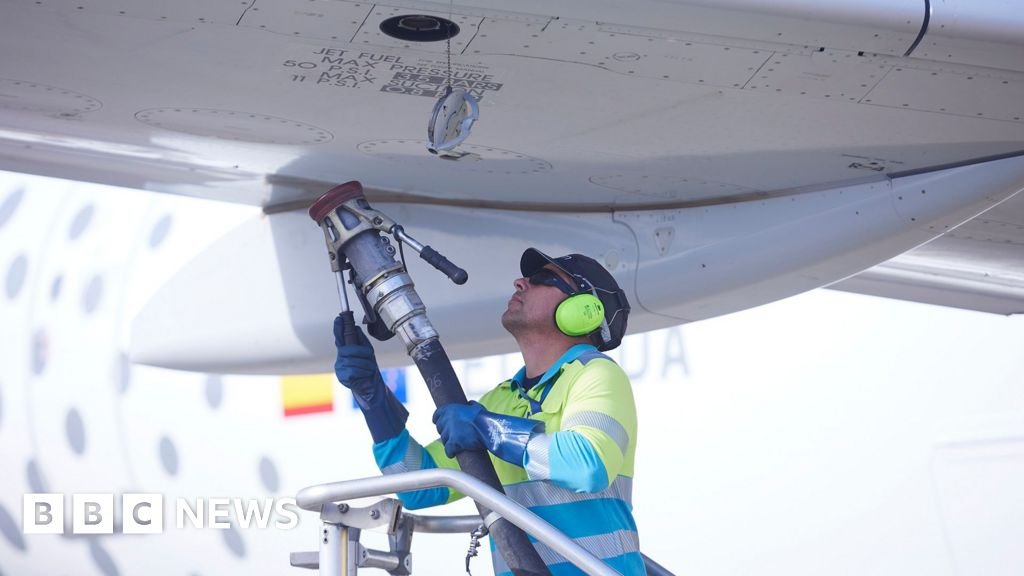

Europe could soon face major travel disruptions as jet fuel supplies run dangerously low. The warning comes from Fatih Birol, head of the International Energy Agency. He stated that the region may have only “six weeks or so” of jet fuel remaining if current conditions persist.
The situation is linked to rising geopolitical tensions and disruptions in global energy supply chains. The ongoing conflict involving Iran has intensified pressure on key النفط routes. This includes the critical Strait of Hormuz, which handles a significant portion of global oil shipments.
Jet Fuel Shortage Could Ground Flights Across Europe
Birol warned that flight cancellations may soon become inevitable. Airlines across Europe could struggle to secure enough jet fuel. This may lead to reduced schedules and grounded aircraft.
The shortage would impact both domestic and international travel. Passengers may face delays, higher ticket prices, and fewer flight options. Aviation is highly dependent on stable fuel supplies, making it one of the first sectors to feel the impact.
If the supply route remains blocked, the disruption could escalate quickly. Airlines may be forced to prioritize essential routes only.
Global Energy Crisis Triggers Economic Ripple Effects
The IEA chief described the situation as one of the most severe energy crises in history. He warned of widespread economic consequences. Rising fuel costs are expected to push up inflation globally.
Consumers may see higher petrol, gas, and electricity prices. Businesses could face increased operational costs. This may slow economic growth across multiple regions.
According to Birol, Asia will be hit first. Countries like Japan, China, India, Pakistan, and Bangladesh depend heavily on Middle Eastern energy supplies. The crisis could then spread to Europe and the Americas.
Strait of Hormuz Blockade Raises Global Concerns
The crisis is closely tied to disruptions in the Strait of Hormuz. This narrow waterway is vital for global oil transport. Any blockage can quickly impact supply chains worldwide.
Recent tensions escalated after actions involving the United States and Iran. A naval blockade on Iranian ports has further restricted energy flows. Diplomatic talks have so far failed to produce a resolution.
Without reopening this route, energy shortages may worsen. Governments and industries are closely monitoring the situation. Immediate solutions remain uncertain.
The coming weeks will be critical. If supply chains are not restored, Europe could face a full-scale aviation and energy crisis.

