

Pakistan’s Budget 2026-27 has sparked concerns over its climate priorities. Experts argue that government spending choices contradict national climate commitments and resilience goals.
Despite increasing climate risks, the budget proposes measures that may discourage green technologies. These include policies affecting solar energy adoption and electric vehicle growth. Consequently, critics believe such decisions could slow Pakistan’s transition toward clean energy.
Officials from the climate change ministry stated that the Public Sector Development Programme includes eight climate-related projects. These projects focus on climate resilience, afforestation, biodiversity conservation, environmental monitoring, and green growth. Together, they carry a proposed allocation of Rs2.78 billion.
Experts Question Climate Spending Priorities
Environmental experts have repeatedly criticized what they describe as anti-climate policies. They argue that taxing renewable energy sends conflicting signals to investors and consumers.
Meanwhile, the government continues investing in large hydropower projects despite environmental concerns. Critics also oppose proposed reliance on carbon capture technologies. They believe authorities should prioritize reducing fossil fuel dependence instead.
Furthermore, experts warn that adaptation measures remain insufficient despite recurring floods and extreme weather events. They stress that climate resilience requires stronger investment and long-term planning.
The International Monetary Fund’s Resilience and Sustainability Facility requires reforms in project evaluation. Under these guidelines, climate adaptation and mitigation must account for at least 30 percent of infrastructure project assessments.
Climate Risks Demand Stronger Fiscal Planning
During the outgoing fiscal year, authorities tagged Rs86 billion in projects as climate adaptation initiatives. Additionally, measures worth more than Rs600 billion received climate mitigation classifications.
However, experts urge the government to ensure meaningful implementation. SDPI Research Fellow Dr. Khalid Waleed emphasized that climate tagging should remain inclusive and effective rather than symbolic.
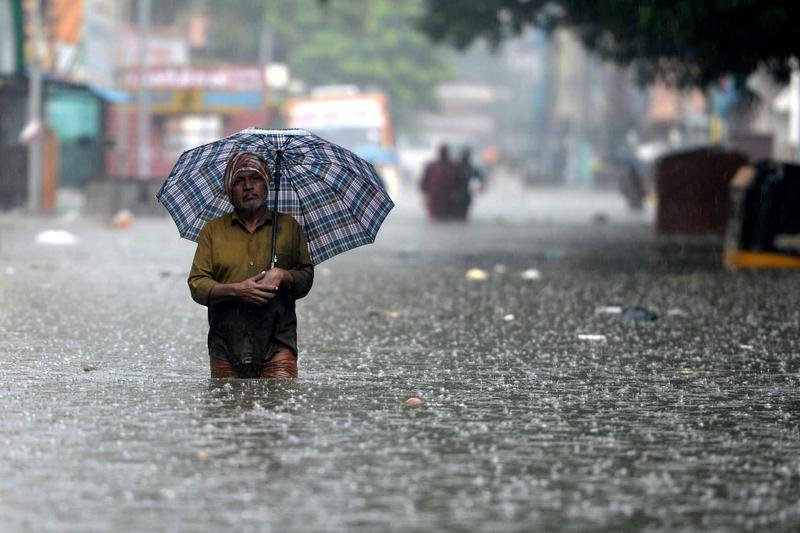
Pakistan continues facing severe climate-related challenges. According to estimates, climate disasters caused losses of $29.3 billion between 1992 and 2021. Moreover, the 2022 floods alone inflicted damages exceeding $28 billion.
Experts warn that Pakistan could lose up to 6.5 percent of GDP by 2050. Therefore, they call for science-based fiscal planning that strengthens resilience and supports climate-smart development.

