
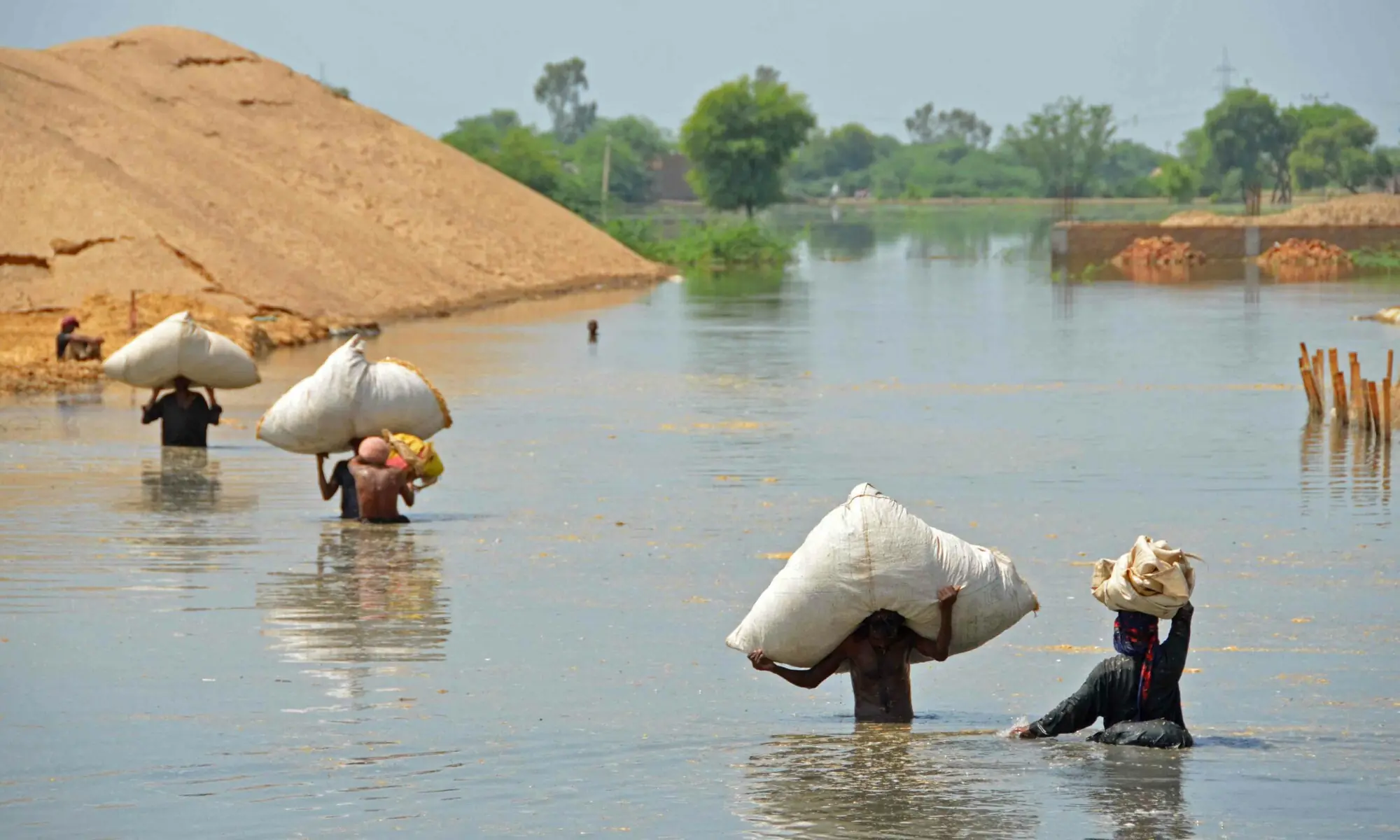

The World Bank has raised concerns over plans to redirect funds from a major flood housing programme in Balochistan toward infrastructure projects. The bank warned that cutting housing support could worsen poverty among vulnerable families. It also said the decision could increase disaster risks and create further social tensions. The warning came after authorities capped housing assistance for verified beneficiaries. The World Bank also expressed concern about how officials handled fraud and corruption-related issues.
World Bank Raises Concerns Over Housing Support
World Bank Country Director Boloromaa Amgaabazar raised concerns after meetings with federal and Balochistan officials. The discussions followed a decision to cap housing support at 62,966 first-tranche beneficiaries as of June 22, 2026. The subsidy support was also capped at 97,000 beneficiaries.
The World Bank said the decision left 119,049 verified and eligible households without identified financing support. The bank also raised concerns about publicly disclosing the decision before completing a joint communication strategy. Many households had already completed verification and signed project undertakings.
As a result, those families could continue expecting financial assistance for rebuilding their homes.
Most Eligible Families Are Highly Vulnerable
The World Bank highlighted the difficult economic circumstances of the affected households.
According to the bank, 84 percent of eligible beneficiaries are ultra-poor and vulnerable. Around 28 percent earn less than $30 each month. Another 26 percent earn between $31 and $70 per month. Meanwhile, 39 percent of beneficiaries are tenants.
Daily-wage workers account for 37 percent of the eligible households. Small farmers make up another 8 percent. These families typically have limited savings and weak access to formal credit. They also possess few productive assets and have limited capacity to withstand unexpected financial shocks.
“Based on the socio-economic profile of the eligible household, the risk is not simply that households remain without housing assistance; rather, it is that existing vulnerabilities become mutually reinforcing and deepen over time,” the World Bank said.
Thousands Face Unresolved Housing Grievances
The World Bank also highlighted the number of complaints filed over the exclusion of beneficiaries.
A total of 66,120 exclusion-related grievances had entered the project’s grievance management system by the agreed cut-off date.
The bank said officials should contact every complainant individually. They should also formally inform each person about the decision.
“Written acknowledgment, or other verifiable evidence confirming delivery and receipt of the communication, should be obtained and shared with the bank for review. A credible and transparent grievance resolution process is essential to mitigating legal, operational, and reputational risks associated with eventual closure of the component,” Ms Amgaabazar wrote.
The bank stressed that a transparent grievance process remains essential. It could help reduce legal, operational and reputational risks linked to the closure of the housing component.
Funding Cut Could Increase Poverty Risks
The World Bank warned that excluded families could face a growing cycle of financial hardship. Without housing assistance, vulnerable households may have to use limited income for temporary shelter repairs. This could force families to reduce spending on essential needs such as food, healthcare and education.
Some families may also take on debt to manage their housing problems. Others could sell productive assets to cover expenses. Such decisions could weaken their ability to recover financially over the long term.
Unsafe Housing Could Increase Disaster Exposure
The housing funding issue also carries broader disaster risks. Families unable to rebuild resilient homes may continue living in damaged or unsafe structures. Consequently, they could face greater exposure to future floods, storms, earthquakes and heatwaves.
The lack of resilient housing could therefore undermine the long-term recovery goals of the project. The World Bank also warned that excluding verified beneficiaries could create wider social problems. Families may develop stronger perceptions of unfairness and unequal treatment. Such concerns could further weaken public trust in government institutions and development programmes.
Housing Support Seen as Key to Long-Term Recovery
The World Bank’s concerns highlight the broader importance of resilient housing for flood-affected communities in Balochistan. For vulnerable families, rebuilding a safe home can provide more than immediate shelter. It can also protect household finances, reduce exposure to disasters and support a more stable recovery.
However, excluding verified beneficiaries without clear financing arrangements could undermine those gains. The World Bank has therefore urged a transparent approach toward affected households and their grievances. Clear communication could help prevent confusion among families that previously expected assistance.
The funding dispute now places Balochistan’s flood recovery efforts at a critical point. If vulnerable households remain without support, the consequences could extend beyond housing and deepen existing economic and social challenges.
Ensuring that eligible families receive clear decisions, fair grievance handling and appropriate support will remain crucial for protecting the long-term resilience of communities affected by disasters.

