
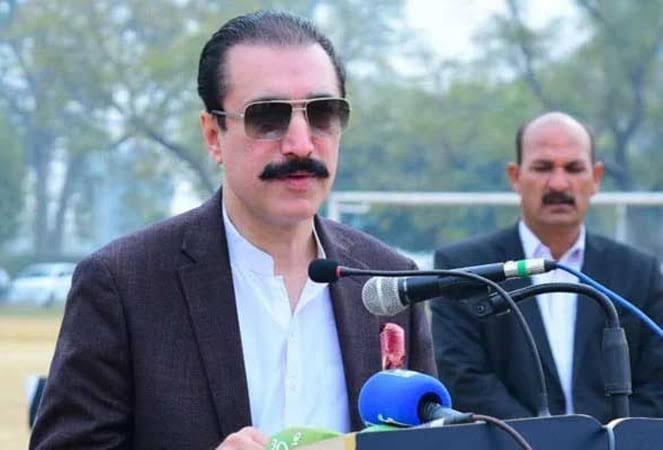

Rathore Denies Report on Ending Refugee Representation
Azad Jammu and Kashmir Prime Minister Faisal Mumtaz Rathore has rejected reports that he supported abolishing refugee seats in the regional legislative assembly.
He said his government is not planning to remove the political rights of Kashmiri refugees. He clarified that the administration wants reforms through a legal and constitutional process.
The controversy started after a private news channel claimed that Rathore viewed the removal of refugee seats as a valid public demand.
The prime minister strongly denied the claim. He called the report serious misreporting.
Rathore said the issue requires careful legislative review. He added that representation should reflect present realities, current demographics, and administrative needs.
However, he made it clear that reforms do not mean ending refugee voting rights.
Refugee Seats Remain a Sensitive Political Issue
The refugee seats remain one of the most debated issues in AJK politics.
The AJK Legislative Assembly has 53 total seats. Of these, 12 seats are reserved for Kashmiri refugees and their descendants.
These families migrated from Indian-administered Jammu and Kashmir during the conflicts of 1947 and 1965. Many of these voters now live in different parts of Pakistan, mainly in Punjab and Sindh.
Supporters of the reserved seats say refugees have a historic and constitutional right to representation. They argue that their political link with Jammu and Kashmir must be protected.
Critics argue that the current system affects the local mandate in AJK. They claim that major political parties in Pakistan can influence assembly numbers through constituencies located outside AJK.
This dispute has created sharp divisions in the region.
Government Seeks Reform, Not Disenfranchisement
Rathore’s statement appears aimed at reducing political tension.
He said any change must take place through constitutional and legislative channels. His position suggests that the government may support restructuring the existing formula.
But the government does not support removing refugees from the political process.
The issue has gained importance as political debate grows around representation, electoral fairness, and governance in AJK.
For now, the prime minister has drawn a clear line. His government wants reform. It does not want disenfranchisement.
The clarification may help calm concerns among refugee communities. It may also open space for a broader debate on how AJK’s electoral system should evolve.

