
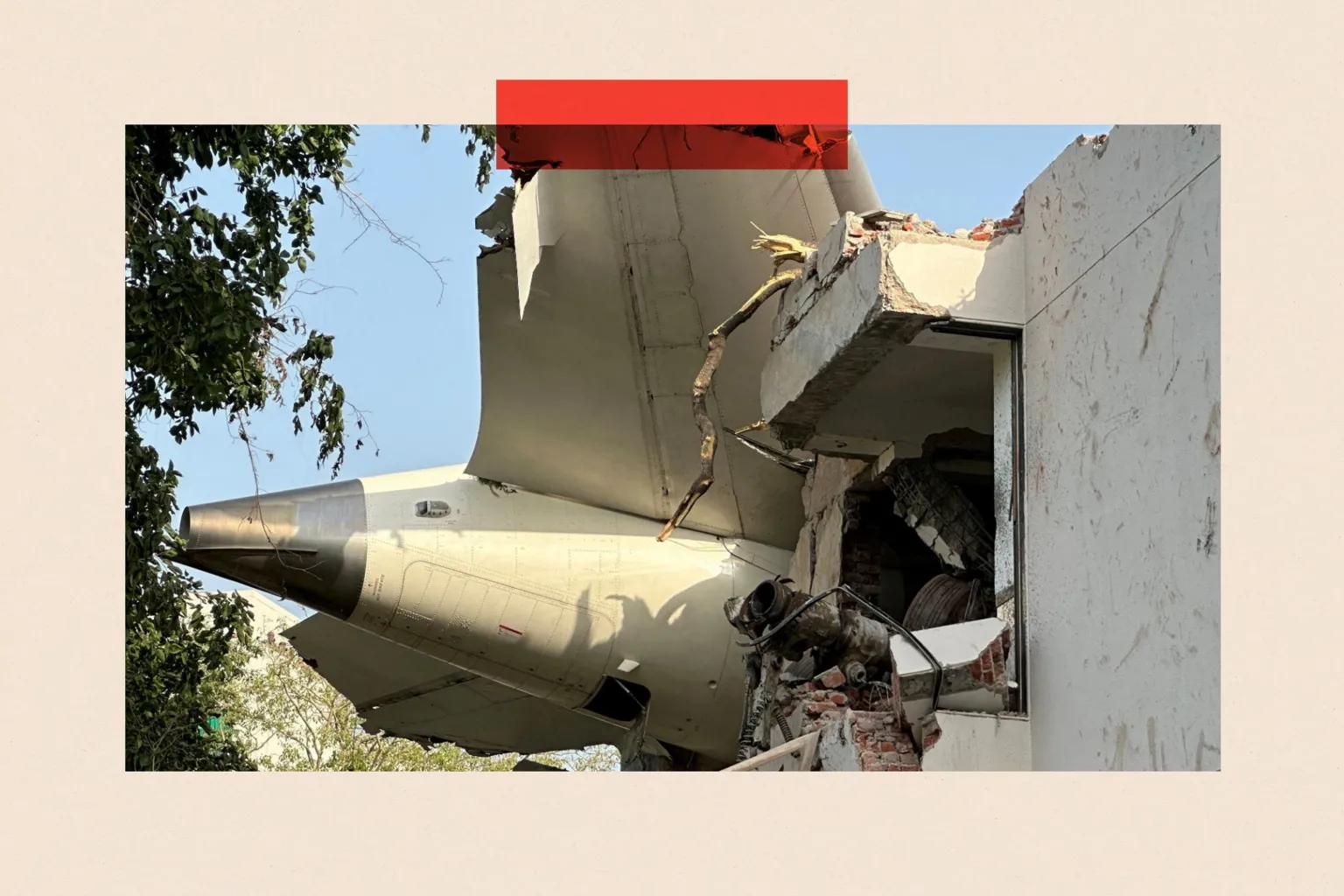

Questions Persist as Probe Nears Critical Milestone
One year after the crash of Air India Flight 171 near Ahmedabad claimed 260 lives, debate continues over the investigation and the broader process used to examine major aviation disasters.
The London-bound flight crashed less than a minute after takeoff on June 12, 2025, killing all but one person aboard and several others on the ground. Since then, India’s Aircraft Accident Investigation Bureau (AAIB) has led the inquiry, supported by representatives from the United States, including experts from Boeing, GE Aerospace, and aviation regulators.
A preliminary report released shortly after the disaster identified a sudden transition of the aircraft’s fuel control switches to the cutoff position, causing both engines to lose power. However, the report stopped short of assigning responsibility or determining a final cause.
The findings triggered widespread debate among aviation experts, pilot associations, legal representatives of victims’ families, and safety advocates. Critics argued that the report raised questions without providing sufficient evidence or context, fueling speculation about possible pilot actions and alternative technical explanations.
Calls Grow for Greater Transparency and Independent Oversight
Meanwhile, competing theories continue to emerge regarding what may have caused the crash. Some experts believe the evidence points toward deliberate human action inside the cockpit, while others argue that electrical or systems failures may have played a role.
Families of victims, pilot organizations, and safety campaigners have called for greater transparency, citing concerns about potential conflicts of interest involving regulators, airlines, and manufacturers. Boeing and Air India have both faced scrutiny, although neither has been formally blamed for the accident.
The controversy has also renewed international debate about how air crash investigations are conducted. Under existing global aviation rules, the country where an accident occurs leads the investigation, while manufacturers and other stakeholders participate as technical advisers.
Critics argue that this framework can create perceptions of bias, particularly in high-profile cases involving major corporations and governments. Consequently, some aviation experts have proposed the creation of an independent international accident investigation authority.
As the first anniversary of the tragedy arrives, pressure is mounting on investigators to provide clearer answers. Observers expect an official update soon, though many analysts believe the final conclusions may still be months away.
The outcome could influence future aviation safety practices and reshape discussions on the independence and transparency of global air accident investigations.

