
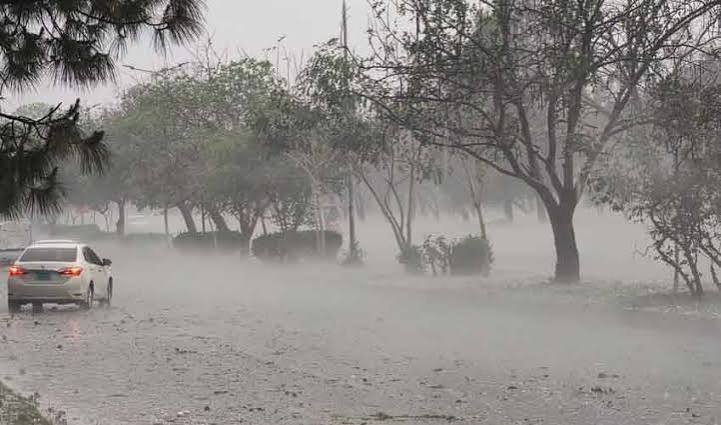

Flash Flood and Landslide Risk Across Pakistan
The National Disaster Management Authority has issued a nationwide alert for possible flash floods, urban flooding and landslides between July 17 and July 24.
The warning follows forecasts of heavy monsoon rainfall across several regions of Pakistan.
According to the NDMA, vulnerable areas in Gilgit-Baltistan, Khyber Pakhtunkhwa, Azad Jammu and Kashmir, Punjab and northeastern Balochistan could experience sudden flooding.
Heavy rain may increase water levels in local streams, rivers and mountain channels. Hill torrents could also become dangerous within a short period.
Mountainous areas face an additional risk of landslides. Continuous rain can weaken slopes, block roads and isolate communities.
The NDMA warned residents and tourists to avoid vulnerable valleys, steep slopes and routes with a history of landslides.
The National Emergency Operations Centre is continuously monitoring weather developments. It is also assessing risks and sharing information with provincial and district authorities.
Officials have been directed to ensure rapid communication and prepare for possible evacuations or rescue operations.
Major Cities Face Urban Flooding Threat
The authority has warned that heavy downpours could overwhelm drainage systems in several cities of Punjab.
Urban flooding is possible in Rawalpindi, Islamabad, Lahore, Faisalabad, Gujranwala, Gujrat, Sialkot, Narowal, Hafizabad and Sheikhupura.
Low-lying neighbourhoods, underpasses and roads with poor drainage may become flooded during intense rainfall.
Residents have been advised not to drive or walk through flooded streets. Water depth can be difficult to judge, while strong currents may sweep away vehicles and pedestrians.
People should also remain away from storm drains, riverbanks and electricity installations during severe weather.
The NDMA has advised citizens to avoid unnecessary travel until conditions improve.
Parents have been urged to keep children away from open drains, canals, rivers and flooded areas.
Relevant departments have been directed to place rescue teams, emergency vehicles and drainage machinery on standby.
Hospitals and local administrations may also be required to activate emergency arrangements if rainfall causes widespread disruption.
The public has been encouraged to use the Pak NDMA Disaster Alert application for official warnings, verified updates and safety instructions.
Authorities have warned against relying on unverified social media posts during emergencies.
Rawalpindi Declares Rain Emergency
Rawalpindi authorities have imposed a rain emergency after the Pakistan Meteorological Department predicted heavy rainfall in the city and adjoining areas.
The Water and Sanitation Agency has placed all operational teams on high alert.
Drainage machinery will be deployed at important locations, including Gawalmandi and Katarian, during rainfall.
These areas are closely monitored because rising water in Nullah Lai can create serious risks for nearby communities.
WASA teams will remain prepared to remove accumulated water from roads and respond to drainage emergencies.
Authorities have also banned the dumping of garbage, construction material and debris into Nullah Lai.
Officials warned that blocked drains and waterways can increase the risk of flooding during heavy rainfall.
Strict legal action will be taken against individuals or businesses found violating the restriction.
The Rawalpindi district administration has established a public helpline at the Gawalmandi monitoring point to support emergency coordination.
Residents can report flooding, blocked drains or other rain-related emergencies through the available official channels.
The administration has also prohibited bathing and swimming in rivers and streams.
People violating the ban may face legal action because water levels can rise suddenly during monsoon rainfall.
Officials have urged residents living near Nullah Lai and other vulnerable waterways to remain alert.
Families should keep important documents, medicines and emergency supplies ready in case evacuation becomes necessary.
The NDMA said precautionary measures could reduce injuries and loss of life during the expected weather spell.
Citizens have been advised to follow instructions from local authorities and immediately move to safer locations if water levels begin rising.

