

Proposed Agreement Could Reshape Control of Strategic Waterway
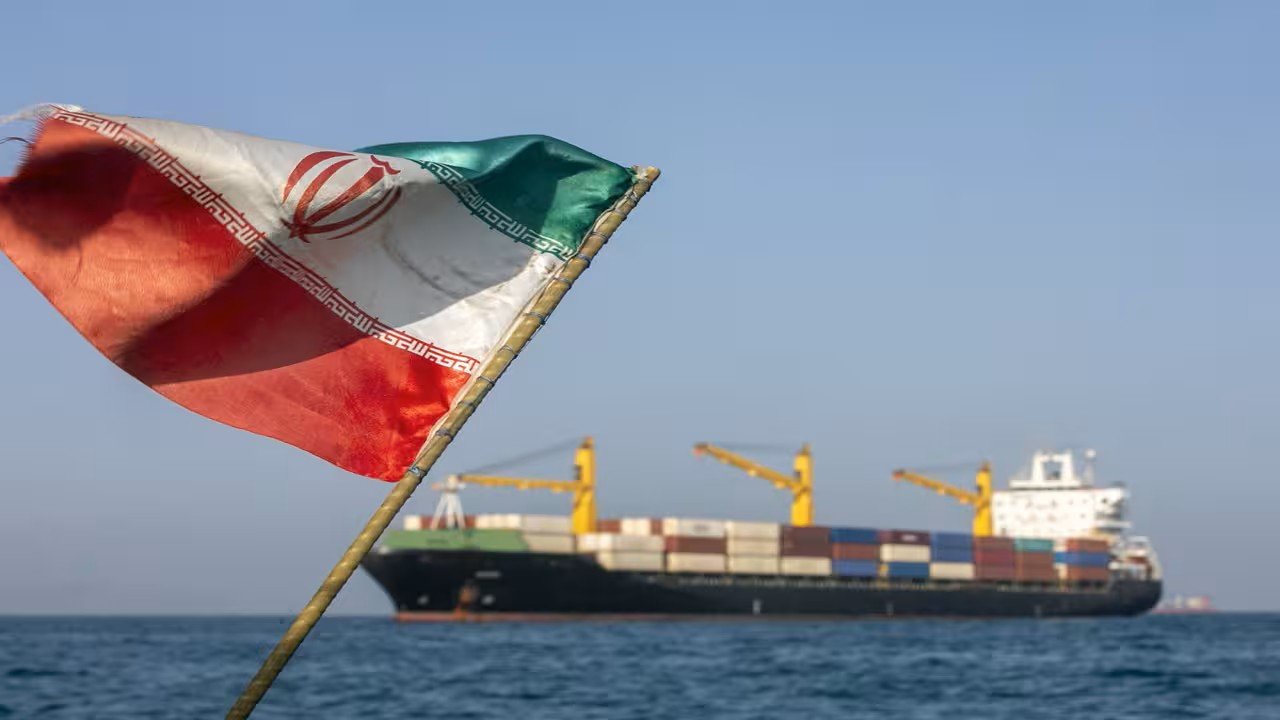
A proposed agreement between Iran and Oman could give Tehran control over vessels entering the Gulf through the Strait of Hormuz.
A senior Iranian source and two regional officials disclosed details of the proposed arrangement. They said negotiators had accepted some form of Iranian control over inbound shipping.
However, the agreement has not been finalised. Major questions remain over inspections, transit fees and the treatment of ships leaving the Gulf.
Under the draft proposal, Iran would oversee vessels travelling into the Gulf through the strait. The exact meaning of “control” is still being negotiated.
Gulf countries want regional officials to supervise inspections. They also want any shipping payments to remain voluntary.
Iran is seeking a wider role. Tehran also wants authority or oversight over vessels travelling in the opposite direction.
This issue has emerged as one of the biggest obstacles to a final settlement.
The Strait of Hormuz lies between Iran and Oman. It connects the Gulf with the Gulf of Oman and wider international waters.
Before the conflict, around 20 percent of the world’s oil and liquefied natural gas passed through this narrow route.
Any arrangement giving Iran greater authority could significantly change the regional balance of power. It could also affect energy prices, shipping costs and global supply chains.
Iran Seeks Cargo Fees as Gulf States Demand Safeguards
Iran reportedly wants vessels to pay between five and seven percent of the value of their cargo for using the waterway.
Oman has discussed a smaller charge of around three percent. Washington continues to oppose any transit fee.
Gulf negotiators have proposed making payments voluntary. However, shipping companies may still feel pressure to pay because of the risk of attacks or delays.
The legality of general transit charges could also become controversial.
International maritime law states that countries bordering an international strait cannot charge ships merely for passing through it.
Limited fees can be collected for specific services. These may include towing, piloting or port assistance.
Neither Iran nor the United States has signed the United Nations Convention on the Law of the Sea. However, its principles are widely treated as international maritime law.
The Strait of Hormuz is also broadly recognised as an international waterway.
Before the conflict, commercial ships moved through Hormuz without paying general transit fees.
Iran and Oman agreed on an international traffic system in 1968. It placed major inbound and outbound shipping lanes near the centre of the strait.
The current conflict has disrupted that system. Mines, attacks and military operations have made normal passage increasingly dangerous.
Iran previously rejected an Omani proposal for joint regional management. Tehran argued that the plan gave it insufficient authority.
Iran maintains that control should be divided between Tehran and Muscat because both countries border the strait.
Oman has continued indirect negotiations with Iran. There are currently no confirmed direct talks between Tehran and Washington.
Trump Predicts Quick Deal but Iranian Sources Urge Caution
US President Donald Trump has claimed that negotiations are progressing well.
He said the Strait of Hormuz could reopen soon. He also warned Iran of further military action if Tehran withdrew from the process.
Trump said an extensive negotiation took place on Tuesday. His administration has repeatedly suggested that an agreement is close.
Iranian and regional sources have challenged that assessment.
One senior Iranian source said discussions were continuing, but it was too early to declare an agreement complete.
Another source warned that sensitive details could still cause negotiations to collapse.
Disagreements remain over Iranian inspections, outbound traffic and financial charges.
Qatar has said mediators are making progress towards ending the wider conflict.
Pakistan, Qatar and Oman have been coordinating efforts to bring Washington and Tehran closer to formal negotiations.
Iran’s Foreign Ministry has described discussions with Oman as positive. It said the talks were focused on safe shipping routes and the sovereign rights of both coastal countries.
The United States has publicly opposed any agreement granting Iran control over the route.
However, months of military action have failed to fully restore commercial shipping.
Reuters reported that US forces have also used much of their stock of certain long-range precision weapons during the conflict.
Red Sea Attacks Keep Global Energy Markets Under Pressure
Tensions increased again after Yemen’s Iran-aligned Houthi movement claimed an attack on a Saudi oil tanker near the Red Sea port of Yanbu.
Saudi officials did not immediately confirm the reported strike.
The claim pushed oil prices higher. Brent crude returned above $80 per barrel after previously falling on hopes of a diplomatic breakthrough.
The Houthis say they are enforcing a blockade of Saudi oil exports.
Their attacks have affected the Red Sea route used by some vessels to avoid the Strait of Hormuz.
An Indian-flagged vessel was also struck and sank near Yemen. All 14 crew members were rescued.
Yemen’s internationally recognised government blamed the Houthis for that incident.
The simultaneous disruption of Hormuz and Red Sea routes has increased risks for global shipping.
Insurance costs have risen. Tanker availability has declined. Gulf energy exports also remain well below pre-conflict levels.
Any successful Hormuz agreement could ease pressure on oil markets. However, continued attacks in the Red Sea could limit its impact.
For now, the proposed arrangement represents a possible diplomatic breakthrough rather than a completed deal.
The final outcome will depend on how negotiators define Iranian authority, inspection powers and transit charges.
It will also depend on whether Washington accepts an agreement that gives Tehran a formal role in controlling one of the world’s most important energy corridors.

