
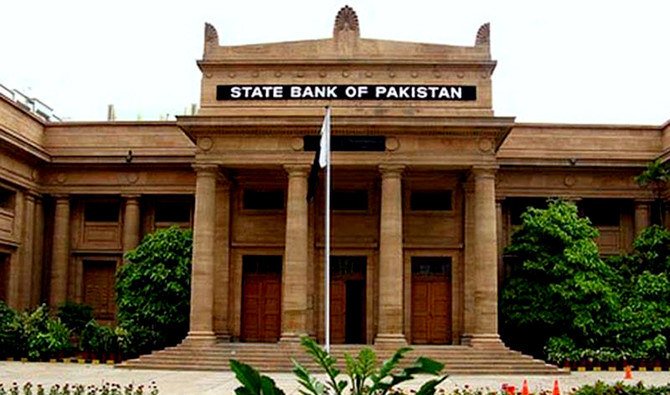

Pakistan will require an estimated $331 billion in climate financing by 2030 to strengthen its resilience against climate change and reduce future economic losses, according to the State Bank of Pakistan (SBP).
The central bank said the country faces a significant funding challenge as climate-related disasters continue to threaten infrastructure, livelihoods, and long-term economic growth.
According to the report, Pakistan will need nearly $47 billion every year between 2024 and 2030. This amount equals around 10 percent of the country’s cumulative GDP during the same period.
The estimate is based on data from the Climate Policy Initiative (CPI). It reflects the investment required for climate adaptation and mitigation efforts across the country.
Pakistan remains highly vulnerable to climate disasters
The SBP noted that Pakistan ranked as the 15th most affected country by climate-related disasters between 1995 and 2024.
Despite this vulnerability, Pakistan contributes only around one percent of global greenhouse gas emissions.
The report stressed that the country continues to face severe climate risks. Therefore, large-scale investments remain essential for sustainable and climate-resilient development.
Government estimates point to massive investment needs
According to government estimates cited in the report, Pakistan’s climate financing requirements range between $200 billion and $348 billion by 2030.
These funds are needed to support climate-resilient development and implement the country’s Nationally Determined Contributions (NDCs).
Meanwhile, the government’s Pakistan Climate Prosperity Plan envisions investments worth $1.6 trillion by 2050.
These figures underline the long-term financial commitment needed to strengthen Pakistan’s climate resilience.
Climate disasters have caused billions in economic losses
The report stated that climate-related disasters have already caused an estimated $58.8 billion in economic losses.
Between 1992 and 2021, climate events resulted in losses of around $29.3 billion.
Later, the devastating 2022 floods caused approximately $28 billion in damages.
In addition, the 2025 floods led to another $1.5 billion in economic losses.
These recurring disasters continue to place significant pressure on Pakistan’s economy.
Climate finance remains well below required levels
Despite growing financial needs, Pakistan has received only $1.4 billion to $2 billion annually in climate finance over the past decade.
Climate finance reached its highest level at around $4 billion in 2021.
However, the report noted that these inflows remain far below the amount required to meet the country’s climate commitments.
As a result, the financing gap continues to widen.
SBP identifies key obstacles to climate financing
The State Bank identified several factors that continue to limit climate financing.
According to the report, international funding often favours mitigation projects instead of adaptation initiatives.
Moreover, recurring macroeconomic instability has reduced investor confidence.
The report also highlighted elevated sovereign risk, political uncertainty, underdeveloped financial markets, and limited institutional capacity as major challenges.
In addition, Pakistan faces difficulties in developing bankable climate projects.
Bureaucratic delays have also slowed the implementation of internationally funded programmes.
Consequently, these issues continue to restrict the country’s ability to secure climate investment.
Climate change could significantly reduce Pakistan’s GDP
The report also cited World Bank projections regarding the long-term economic impact of climate change.
According to the projections, climate change could reduce Pakistan’s GDP by 4.5 percent to 6.5 percent by 2050 under an optimistic scenario.
Under a more severe scenario, the decline could reach 7 percent to 9 percent.
The report warned that agriculture and industry are expected to face the greatest impact.
Therefore, the SBP emphasised the importance of increasing climate investment to strengthen resilience and reduce future economic risks.

