
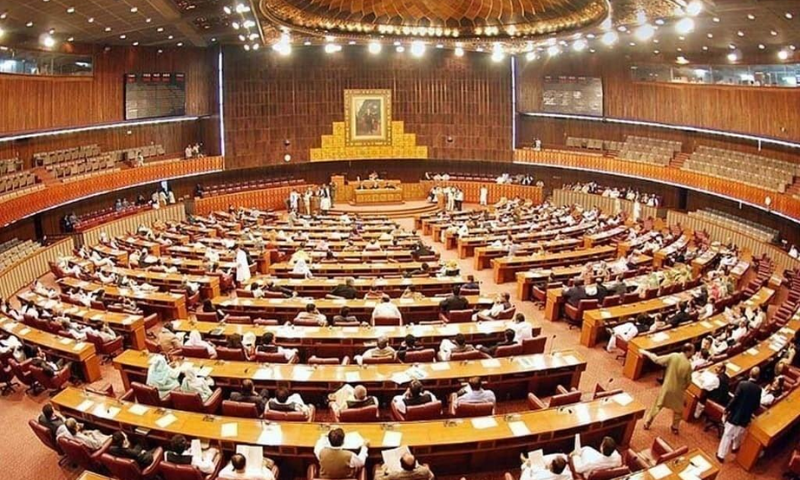

The Punjab government has placed the proposed Punjab Habitual Offenders Bill 2026 on hold after objections emerged during the legislative process.
Following those concerns, the Speaker of the Punjab Assembly referred the proposed legislation back to the Home Department’s Standing Committee for further review.
The proposed law seeks to create a legal framework for identifying and monitoring individuals classified as habitual offenders.
However, questions over its scope and potential impact led authorities to delay further progress.
As a result, the government will now reconsider the draft before any future assembly proceedings.
What Does the Habitual Offenders Bill 2026 Propose?
Under the proposed legislation, a District Intelligence Committee would receive powers to investigate cases and determine whether a person should be classified as a habitual offender.
The draft also broadens the definition of anti-social behaviour under the proposed framework.
According to the bill, spreading false information on social media would fall under anti-social activity.
In addition, the proposed law includes offences such as hate speech, promotion of inflammatory material, public display of weapons, and harassment of women.
Another major provision involves electronic monitoring.
Under the proposal, authorities could require individuals declared habitual offenders to wear electronic monitoring devices.
The draft legislation also proposes wider administrative powers for the committee.
These powers include the authority to freeze the bank accounts of individuals designated as habitual offenders.
Supporters view such measures as part of a stronger regulatory framework.
However, critics argue that these powers require greater scrutiny.
Opposition Raises Concerns Over Rights and Democratic Values
The proposed bill has drawn criticism from opposition lawmakers inside the Punjab Assembly.
Punjab Assembly Opposition Leader Moin Riaz Qureshi criticised the legislation and questioned its broader implications.
He argued that the bill could conflict with constitutional protections and democratic principles.
“The government is bringing the Habitual Offenders Bill to suppress people,” he said.
He also added that the PML-N had previously introduced NAB laws that ultimately backfired on the party itself.
These objections intensified debate around the bill and increased calls for a closer review.
Why Did the Speaker Refer the Bill Back?
Punjab Assembly Speaker Malik Muhammad Ahmed Khan explained the circumstances surrounding the bill’s initial movement.
According to the Speaker, he was unaware of the Habitual Offenders Bill 2026 when it was first tabled.
He stated that another member was presiding over the session at that time.
He also said he was absent when the committee’s report was presented.
“The bill has now been referred to the committee. If the government does not place it on the assembly agenda, Government Chief Whip Mujtaba Shuja-ur-Rehman will discuss the matter,” the Speaker said.
Following these developments, the legislation was returned for further examination.
What Happens Next?
At present, the Punjab government has not announced when it will present a revised version of the Habitual Offenders Bill 2026 before the provincial assembly.
The Standing Committee will review the proposed legislation before any next step takes place.
For now, the bill remains under reconsideration as debate continues over administrative authority, public accountability, and legal safeguards.
Whether the draft returns in its current form or undergoes major changes remains unclear.
However, the decision to pause the proposal has placed greater attention on how future legislation balances enforcement powers with public concerns.

