
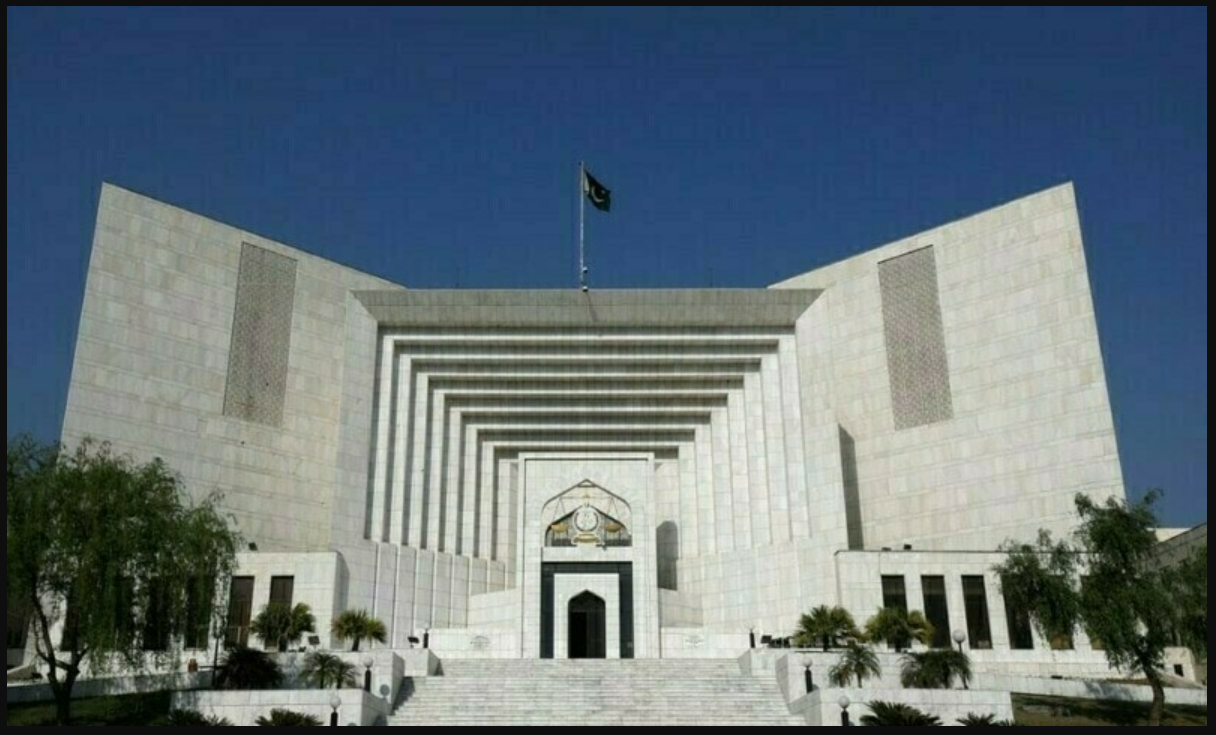

Court Orders Inquiry Into Illegal Electricity Network
The Supreme Court has ordered a detailed investigation into large-scale electricity theft and illegal power distribution in Larkana.
The court directed the managing director of the Sukkur Electric Power Company to examine the use of unauthorized hook connections across the city.
Private individuals and contractors are allegedly stealing electricity from SEPCO’s network and selling it directly to residents.
The order was issued during a hearing at the Supreme Court’s Karachi Registry. Justice Muhammad Ali Mazhar heard the case involving a citizen named Noor Hussain.
Hussain was injured after an illegal electricity wire collapsed in Larkana.
The incident raised serious questions about unsafe connections, weak enforcement and the alleged operation of private electricity networks.
Justice Mazhar described the situation as a serious administrative failure.
He observed that contractors were stealing electricity and collecting money from residents. The financial losses were ultimately being transferred to the state and law-abiding consumers.
The court ordered that a copy of its decision be sent to senior SEPCO authorities for immediate action.
Judge Questions Unequal Enforcement in Karachi and Larkana
Justice Mazhar strongly questioned SEPCO’s failure to stop electricity theft in Larkana.
He said the company appeared unconcerned despite electricity being openly supplied through illegal connections.
The judge asked how people without meters were receiving electricity.
He said SEPCO should have registered criminal cases when it discovered power being supplied through unauthorized wires.
Justice Mazhar also compared SEPCO’s response with the enforcement practices of K-Electric in Karachi.
He observed that when electricity theft is detected in one Karachi house, the utility often disconnects power to the entire neighborhood and initiates legal proceedings.
The judge questioned why similar action was not being taken in Larkana.
He asked whether Larkana residents had received a special exemption from laws against electricity theft.
The court also demanded an explanation about how private contractors were distributing power and collecting payments.
It questioned where the money collected from residents was going and whether officials were aware of the illegal system.
The judge said people involved in stealing and reselling electricity must face strict legal action.
Bail Cancellation Request Dismissed as Wider Investigation Continues
During the hearing, the Supreme Court dismissed a petition seeking the cancellation of bail granted to contractor Anwar Ali Kori.
Kori is accused of illegally supplying electricity to residents through unauthorized connections.
Justice Mazhar noted that the police case was registered nine months after the incident.
The court also observed that no application had been filed to cancel the bail of SEPCO officials named in the same case.
These circumstances affected the petition seeking cancellation of the contractor’s bail.
However, the court made clear that the wider issue of electricity theft still required a complete investigation.
The petitioner told the court that his entire neighborhood received electricity through a contractor.
Residents reportedly had no official meters and paid the contractor directly for power supplied through illegal wires.
The prosecutor supported the court’s concerns.
He said the contractor was stealing electricity and selling it to the public for profit.
The prosecutor added that the financial burden of electricity theft eventually fell on consumers who paid their bills legally.
He also warned that unauthorized electricity connections posed a serious threat to public safety.
Poorly installed wires can collapse, cause fires and expose residents to electric shocks.
The illegal network also causes major losses to the national treasury and damages the formal electricity distribution system.
The SEPCO managing director must now investigate the scale of the illegal operation, identify those responsible and determine whether company officials failed to perform their duties.

