
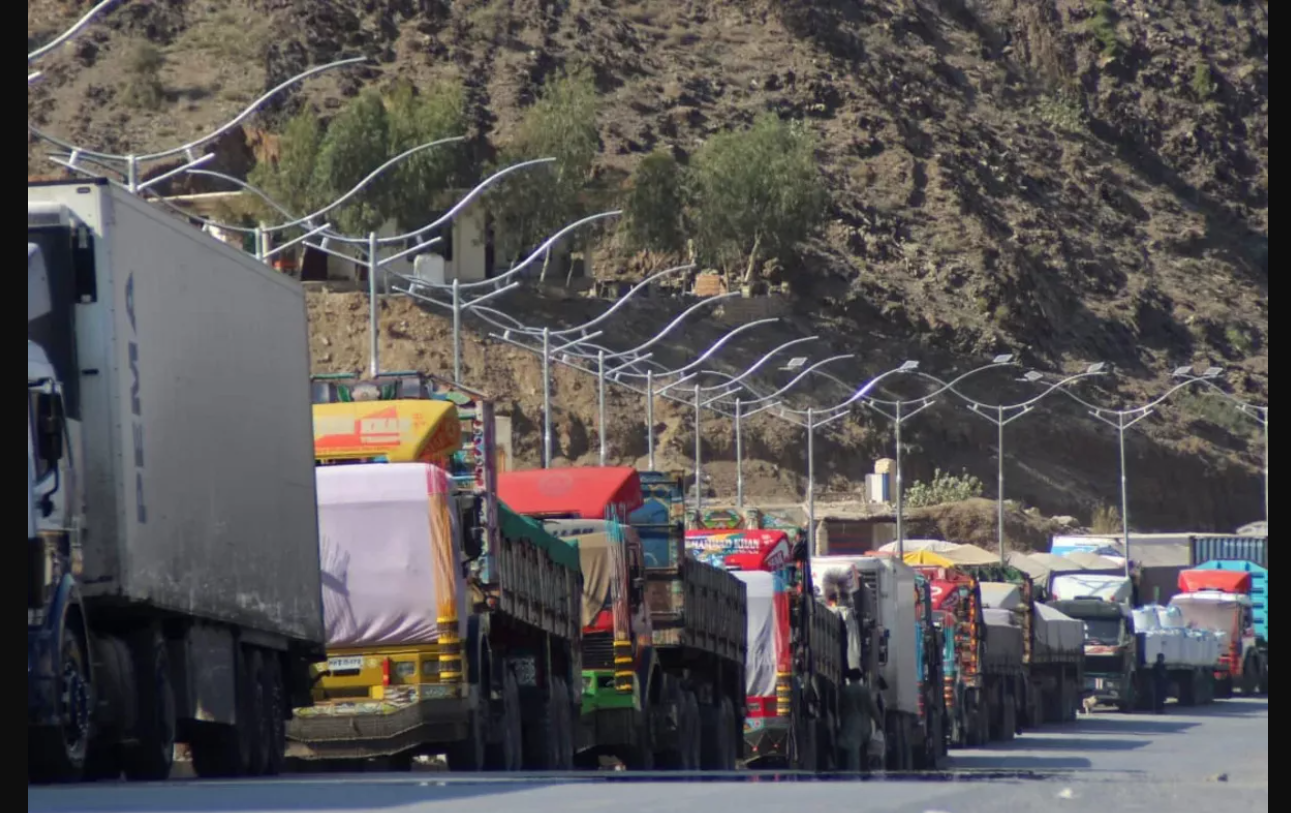

Uzbekistan has started using a new trade corridor to reach Pakistan by bypassing Afghanistan. The move marks an important step in regional connectivity and trade. It also reflects growing efforts to improve transport links between Central Asia and Pakistani seaports.
Pakistan is strengthening its position as a regional trade hub by connecting Central Asian countries with the ports of Gwadar and Karachi. As a result, the new route offers an additional option for cargo movement while reducing dependence on traditional transit corridors.
New corridor expands access to Pakistani ports
As part of this strategy, Uzbekistan has already begun transporting agricultural machinery and industrial raw materials through the Gabd-Rimdan border crossing on the Pakistan-Iran frontier.
The new trade corridors became operational in April 2026. They provide Central Asian countries with another route to Pakistani ports and wider international markets. Consequently, businesses now have greater flexibility when planning cross-border trade.
The development follows Pakistan’s efforts to diversify its trade network. Those efforts gained momentum after security concerns led to the closure of the Torkham and Chaman border crossings in October 2025. Therefore, the alternative corridor has become increasingly important for regional trade.
Cargo movement reflects growing demand
According to available figures, more than 14,000 metric tonnes of cargo have already moved through the new trade route. This volume highlights the growing demand for alternative logistics networks across the region.
Moreover, the corridor provides another reliable option for exporters and importers seeking uninterrupted trade. It also supports stronger commercial ties between Pakistan and Central Asian economies.
Trade corridor expected to strengthen regional logistics
Economic experts believe the transport corridor will support the implementation of the TIR international transit system. In addition, it is expected to strengthen the Single Window customs platform by improving trade facilitation and customs procedures.
The route could also enhance the strategic importance of Gwadar Port during the second phase of the China-Pakistan Economic Corridor (CPEC). Improved connectivity may further increase Pakistan’s role as a gateway for regional trade.
Pakistan could benefit from higher transit trade
Analysts estimate that Pakistan could generate up to US$3 billion in annual revenue through transit trade and logistics services. This opportunity could emerge as the country serves as a gateway for Central Asian economies seeking access to international markets.
At the same time, the new corridor demonstrates how regional partners are exploring alternative trade routes to strengthen supply chains. If cargo volumes continue to rise, Pakistan’s transport and logistics sector could see further growth in the coming years.
The launch of this trade route represents another step toward deeper regional economic cooperation. It also highlights the increasing importance of diversified trade networks for sustaining cross-border commerce and improving market access across Central and South Asia.

