
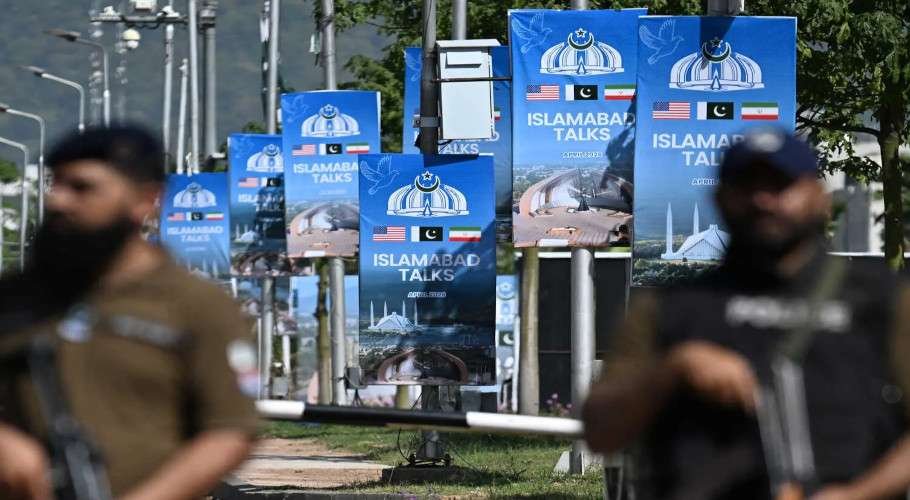

ISLAMABAD: The United States and Iran have confirmed they will not send delegations to Islamabad for the expected second round of peace talks, ending days of speculation. The decision comes despite extensive preparations by Pakistan, which had positioned itself as a key mediator in the ongoing conflict.
Prime Minister Shehbaz Sharif acknowledged the development while expressing appreciation to Donald Trump for agreeing to extend the ceasefire. He emphasized Pakistan’s commitment to pursuing a negotiated settlement and urged both sides to maintain restraint. Furthermore, he voiced hope that diplomacy could still lead to a broader agreement.
Meanwhile, President Trump stated that US forces would continue enforcing the blockade against Iran but would pause further military strikes. He added that this decision followed appeals from Pakistan’s leadership, including Army Chief Asim Munir, and aimed to create space for a unified proposal from Iranian leaders.
Earlier reports had suggested that both US and Iranian representatives would arrive simultaneously in Islamabad. Authorities had already heightened security and cleared accommodations in anticipation. However, the sudden cancellation has left officials managing the aftermath of preparations for talks that will no longer take place.
Diplomatic observers noted that while the ceasefire extension provides a temporary reprieve, major issues remain unresolved. In particular, tensions surrounding the Strait of Hormuz continue to challenge stability.
Consequently, Pakistan’s mediating role remains significant, yet fragile. Analysts warn that the absence of direct engagement reflects persistent distrust between Washington and Tehran.

