
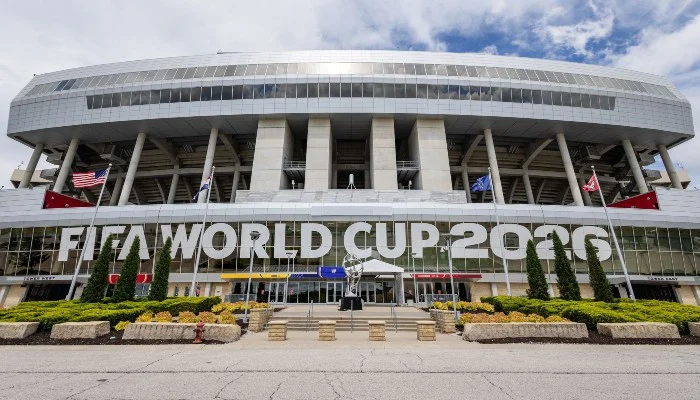

FIFA has banned reusable water bottles at World Cup venues over safety concerns. The decision follows a recent update to the tournament’s Stadium Code of Conduct. Previously, FIFA allowed empty and transparent reusable plastic bottles inside stadiums. However, the governing body reversed that policy this week.
The new rules took effect on Tuesday across all tournament venues. FIFA stated that safety remains its highest priority during the competition. Therefore, officials decided to prohibit reusable bottles and similar containers. The ban also covers cups, jars, cans, and other portable drink containers. Organizers fear spectators could throw such items and cause injuries.
Safety Measures Remain FIFA’s Priority
FIFA explained the decision in a statement released on Thursday. The organization emphasized its commitment to protecting everyone attending matches. This includes players, referees, fans, volunteers, and stadium staff. Moreover, several venues already enforced similar restrictions before the update. Consequently, FIFA applied the same standards across all World Cup stadiums.
The governing body believes the policy will reduce risks during matches. Officials also noted that venue security teams support the updated regulations. As a result, all spectators must follow the revised entry requirements.
Fans Raise Concerns Over Heat Conditions
Meanwhile, some supporters expressed concerns about staying hydrated during matches. Temperatures at several venues may reach between 26 and 28 degrees Celsius. Therefore, many fans questioned access to drinking water inside stadiums.
In response, FIFA announced several heat-mitigation measures for spectators. These measures include hydration stations, misting stations, cooling tents, and large fans. Additionally, host city committees will coordinate with local authorities. FIFA also confirmed that water bottle prices will match rates charged during other stadium events.
The 2026 FIFA World Cup will run from June 11 to July 19. The United States, Canada, and Mexico will jointly host the tournament. Furthermore, the expanded competition will feature 48 teams and 104 matches.

