
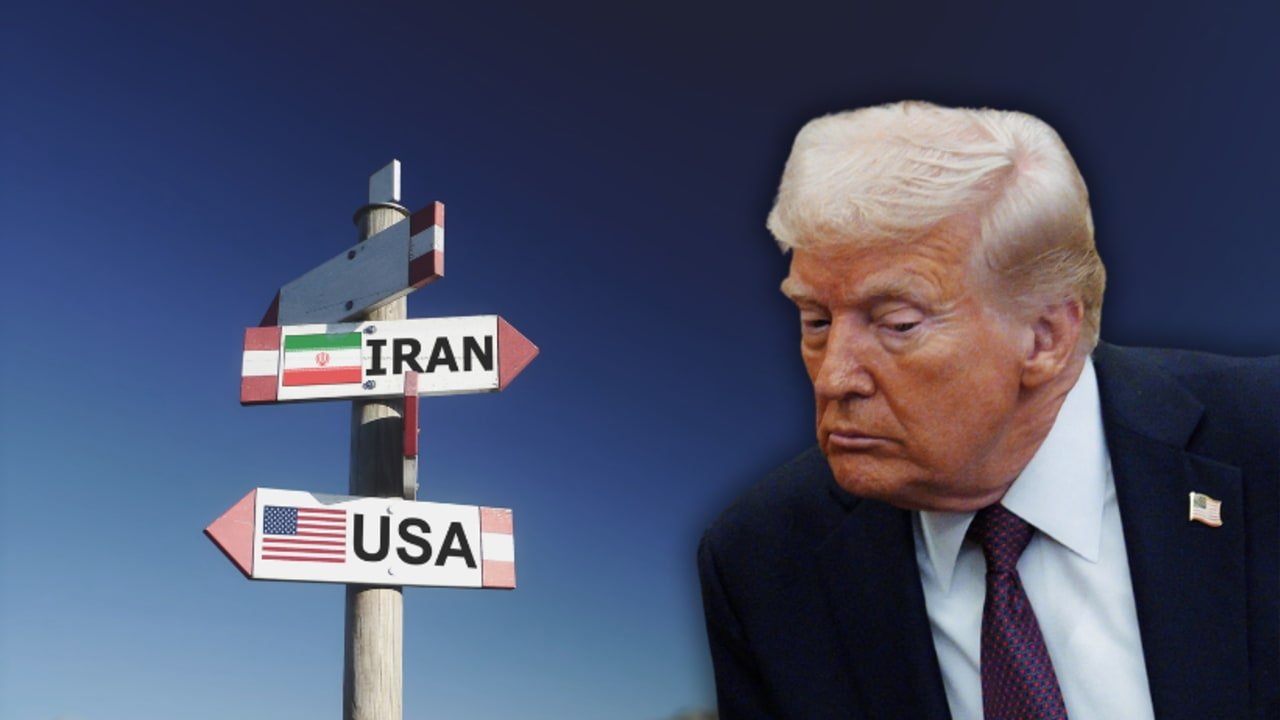

Dispute Over Funds Emerges as Major Obstacle
Negotiations between the United States and Iran have reached a significant impasse as both sides remain divided over the release of frozen Iranian assets, according to sources familiar with the discussions.
The disagreement has become one of the primary barriers preventing progress toward a memorandum of understanding (MOU), which negotiators view as an initial step toward a broader agreement addressing nuclear and regional security issues.
According to the sources, Iranian representatives have insisted that billions of dollars in frozen assets be made available during the first phase of any agreement. Tehran reportedly wants immediate access to liquid funds before implementing substantial commitments under the proposed framework.
Meanwhile, regional mediators have intensified efforts to bridge differences between the two sides. Several compromise proposals have been discussed in recent days, including the creation of a humanitarian fund worth several billion dollars.
Under one proposal, the money would be restricted to humanitarian purchases such as medicine, food, and agricultural products. However, negotiators have yet to reach consensus on any of the suggested arrangements.
Washington Rejects Early Sanctions Relief
US officials have opposed Iran’s demand for immediate access to frozen funds, arguing that financial relief must remain linked to verifiable actions taken by Tehran.
According to sources, Washington maintains that sanctions relief and asset releases should follow concrete Iranian commitments related to its nuclear program and security arrangements concerning the Strait of Hormuz.
American officials reportedly believe that releasing substantial funds at the beginning of an agreement would weaken US negotiating leverage and reduce incentives for Iran to fulfill future obligations.
Furthermore, policymakers fear that early concessions could complicate efforts to secure a comprehensive agreement addressing long-standing concerns surrounding Iran’s nuclear activities.
As a result, discussions remain deadlocked despite ongoing mediation efforts. Both sides continue to exchange proposals, but neither appears willing to shift significantly from its current position.
Diplomatic sources say negotiations remain active, although prospects for a breakthrough depend on whether mediators can craft a mechanism that satisfies Iran’s financial demands while addressing Washington’s insistence on reciprocal and verifiable commitments.
For now, the dispute over frozen assets remains a key challenge in efforts to advance a broader understanding between Tehran and Washington.

