
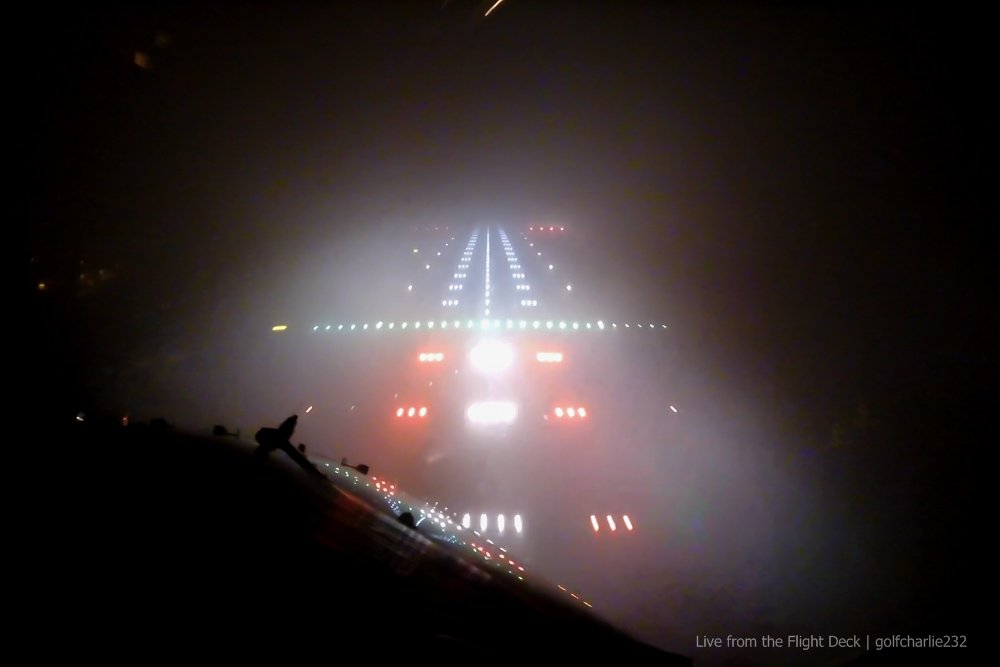

Aircraft Aborts Landing and Climbs Away from Runway
Passengers approaching their destination sometimes experience a sudden and unexpected change during landing. The aircraft may be descending through rain and turbulence when the engines suddenly increase power, pushing passengers back into their seats as the plane begins climbing instead of continuing toward the runway.
Aviation experts identify this procedure as a “go-around,” a standard safety maneuver used by pilots when landing conditions fall outside acceptable limits.
Rather than forcing an unsafe landing, flight crews discontinue the approach and climb away from the airport to reassess the situation. Pilots regularly practice this procedure during simulator training to ensure they can execute it safely and efficiently whenever required.
Although the maneuver can surprise passengers, aviation professionals stress that it represents a proactive safety decision rather than an emergency situation.
Weather, Visibility and Stability Often Influence Decision
Several factors can trigger a go-around. Adverse weather conditions, strong winds, heavy rain, poor visibility, runway obstructions, or an unstable approach may prompt pilots to discontinue the landing attempt.
In many cases, deteriorating weather conditions affect the aircraft’s stability during the final phase of the approach. When key flight parameters move outside approved safety margins, pilots immediately initiate the maneuver and follow established procedures.
After climbing away from the runway, the crew evaluates available options. Depending on weather updates, traffic conditions and fuel reserves, pilots may attempt another approach to the same airport.
Alternatively, they may divert to a designated alternate airport where conditions are more favorable for landing.
Aviation authorities and airline training programs emphasize that go-arounds form a normal part of flight operations and demonstrate the aviation industry’s commitment to safety.
Experts note that passengers should view the maneuver as evidence that pilots are following strict operational standards rather than taking unnecessary risks. By choosing to abandon an unstable approach, flight crews prioritize safety and maintain the highest levels of operational discipline, even when it means delaying arrival by a short period.
Todo viene normal, en descenso y aproximando hacia tu destino, lluvia persistente y un poco de turbulencia. De repente, escuchás este sonido 👇
Motores acelerando, sentís que tu espalda se pega al respaldo del asiento, y el avión cambia su actitud, de descender, cambia a subir.… pic.twitter.com/NsbkPRuQTA— PegasusA4 (@A4KikeLippi) June 3, 2026

