
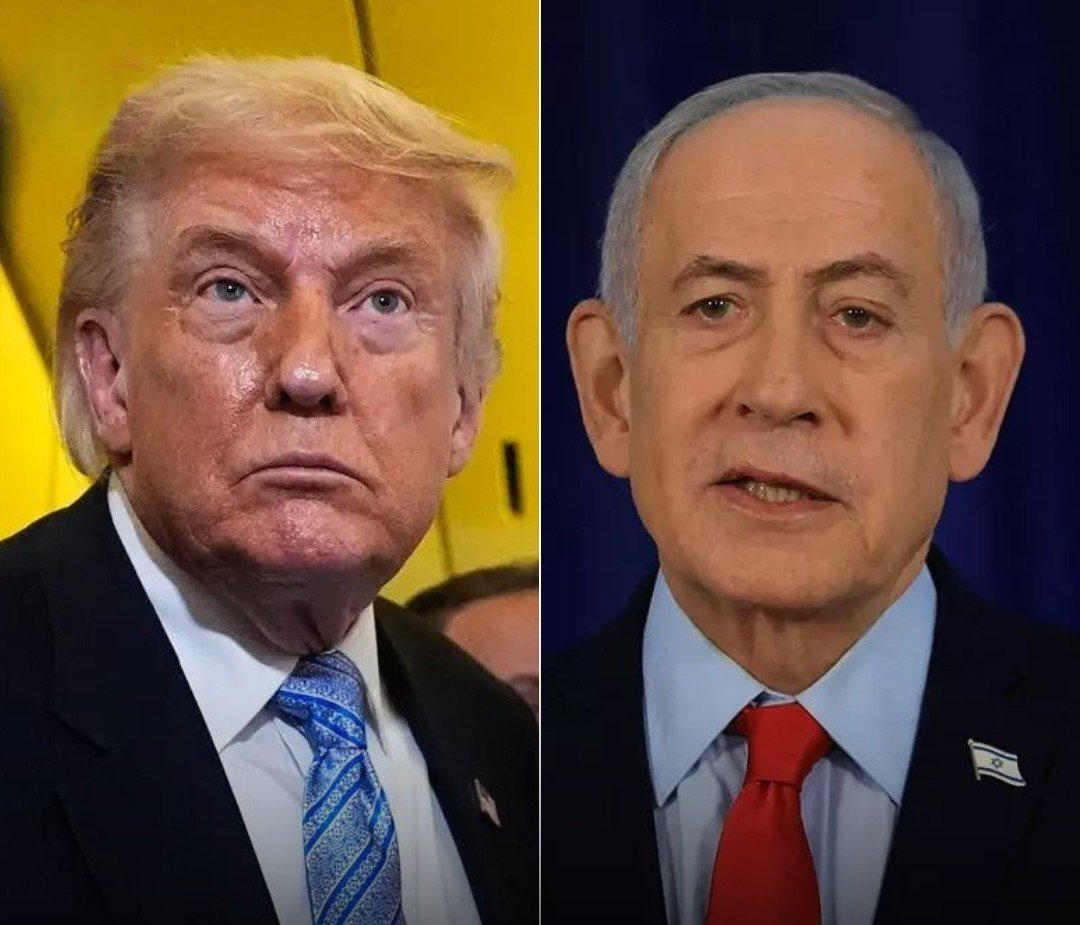

The emerging U.S.-Iran agreement has sparked debate over the future of Israeli Prime Minister Benjamin Netanyahu’s political influence in Washington.
For decades, Netanyahu built his political identity around his ability to align American and Israeli policies on Iran. He cultivated strong ties with Republican leaders and presented himself as the Israeli leader best positioned to influence U.S. administrations.
Analysts and former diplomats say Netanyahu’s reputation rested on maintaining strategic coordination between Washington and Tel Aviv. Consequently, he became known among some observers as a leader with exceptional access to American decision-makers.
However, the interim U.S.-Iran agreement has altered that perception. Analysts argue that President Donald Trump’s pursuit of a settlement with Tehran has limited Netanyahu’s ability to shape American policy.
Instead, they contend that the Israeli leader now faces growing pressure to adapt to decisions made in Washington. As a result, his longstanding political narrative has come under increased scrutiny.
Former U.S. official Dennis Ross said Netanyahu faces challenges both internationally and domestically. He noted that Trump seeks to conclude the conflict, while many supporters within Israel oppose major concessions.
Accordingly, Netanyahu faces difficult choices. Any withdrawal could trigger political criticism at home, while further escalation could strain relations with Washington.
Some analysts believe the conflict with Iran may affect Netanyahu’s political legacy. They argue that objectives such as weakening Iran’s leadership, defeating Hezbollah, and ensuring security in northern Israel remain contested.
Meanwhile, former Netanyahu adviser Aviv Bushinsky described the U.S.-Iran deal as a significant setback for the Israeli premier. He argued that Netanyahu now faces increasing diplomatic isolation and disagreements with the White House.
Nevertheless, Netanyahu has rejected suggestions of a major rift. During a recent press conference, he described his relationship with Trump as a partnership that includes both agreement and disagreement.
A White House official also emphasized that Trump and Netanyahu continue to maintain a strong working relationship despite policy differences.

