
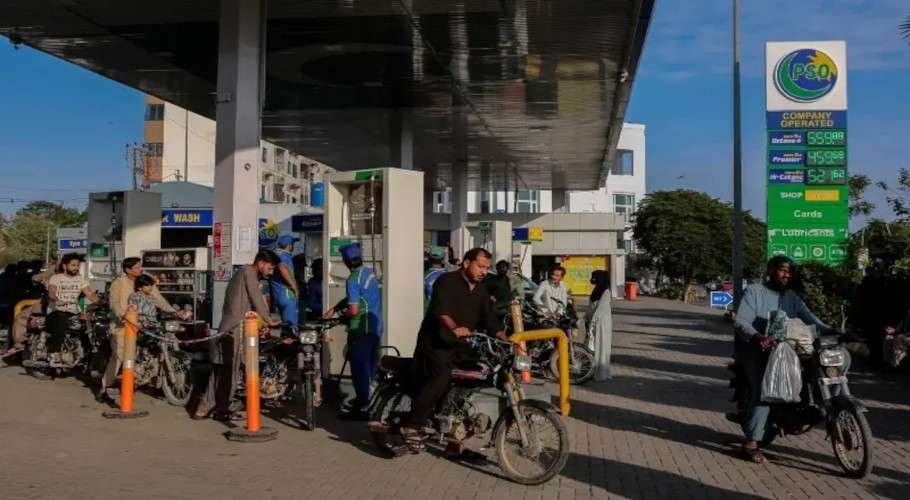

Official breakdown shows consumers paying substantial additional charges as fuel pricing policy faces growing criticism
ISLAMABAD: Fresh documents detailing Pakistan’s fuel pricing structure have highlighted the heavy burden of taxes, levies and margins on consumers, showing a substantial gap between the basic cost and retail prices of petrol and high-speed diesel.
According to the figures, petrol carries more than Rs130 per litre in additional charges, while diesel consumers pay around Rs116 per litre above its basic cost.
Petrol currently costs Rs327.62 per litre against a basic price of Rs197.69. The final price includes an Rs80 petroleum levy, Rs5 climate support levy, Rs21.24 customs duty and Rs7.48 inland freight equalisation margin.
Additionally, oil marketing companies receive a margin of Rs7.87 per litre, while dealers receive Rs8.64.
Diesel Consumers Face Similar Burden
Meanwhile, high-speed diesel has a basic cost of Rs264.76 per litre but sells for Rs380.86.
Its price includes a petroleum levy of Rs74.28, a Rs5 climate support levy, Rs15.68 customs duty and Rs4.63 inland freight equalisation margin. Furthermore, oil marketing companies receive Rs7.87 and dealers Rs8.64 per litre.
The figures have intensified scrutiny of the government’s fuel pricing policy as households and businesses struggle with elevated transportation and energy expenses.
Transport Strike Adds Economic Pressure
At the same time, goods transporters have launched a nationwide strike against the disputed daily fuel pricing mechanism, disrupting supply chains and increasing concerns about further inflationary pressure.
Economic experts argue that while international oil prices influence domestic rates, Pakistan’s taxation and levy structure significantly increases costs for consumers.
Consequently, expensive fuel continues to affect transportation, manufacturing and household budgets, while businesses warn that prolonged disruptions could push commodity prices higher.
With petrol and diesel remaining substantially above their basic costs, consumers continue to demand relief as the government faces growing pressure to reconsider taxes, levies and its broader fuel pricing mechanism.

