

Tehran Links Progress to Release of Billions in Funds
Negotiations between Iran and the United States have reached a standstill, according to senior Iranian officials, who say progress now depends on the release of billions of dollars in frozen Iranian assets.
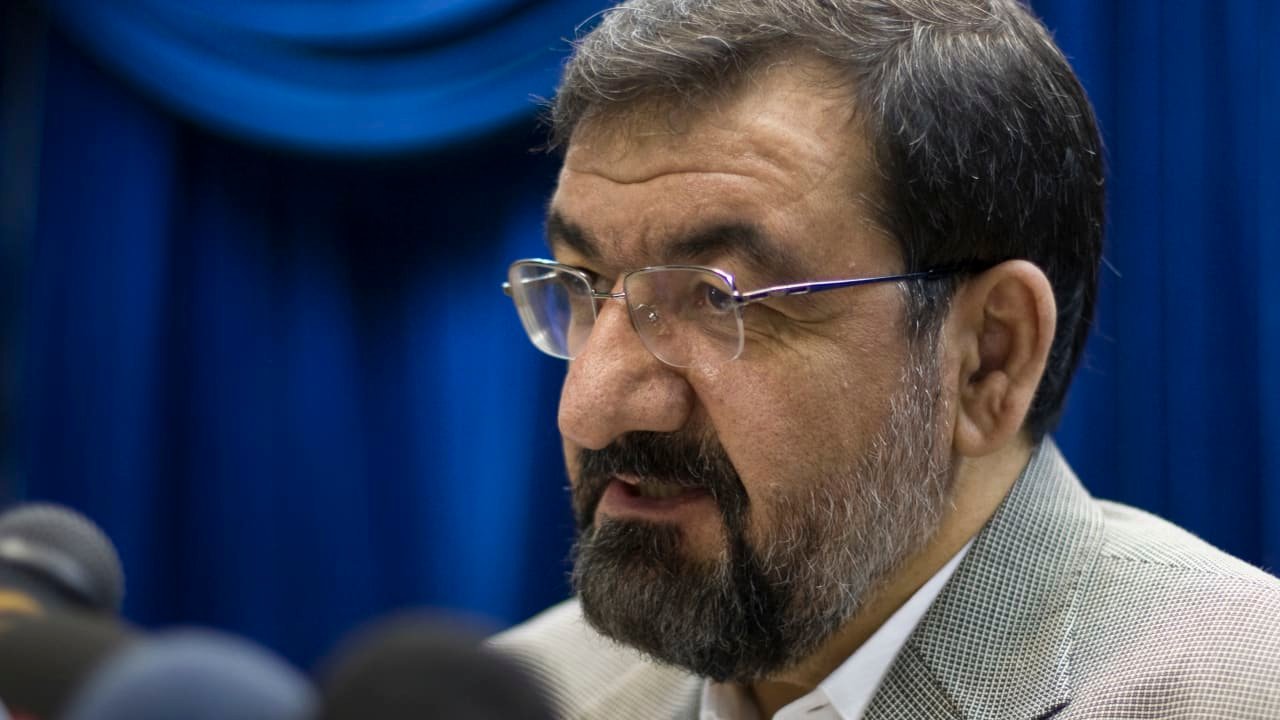
Speaking in an interview with CNN on Friday, Mohsen Rezaei, military adviser to Supreme Leader Mojtaba Khamenei, described the talks as being at a “deadlock” and said the next move rests with US President Donald Trump.
Rezaei argued that Washington must take steps to break the impasse, while emphasizing that Iran’s demand involves access to its own financial resources. According to a senior Iranian official cited in the report, Tehran wants the United States to release $24 billion in frozen assets as part of any potential agreement.
Under the proposed arrangement, Iran would receive $12 billion immediately after the signing of an agreement, while the remaining amount would be released at a later stage. Iranian officials view the issue as a key test of Washington’s willingness to move negotiations forward.
Warnings on Regional Security and Future Relations
Meanwhile, Rezaei warned that any renewed conflict could expand beyond the Persian Gulf. He said Iran would target additional American military bases if hostilities resumed, although he noted that he currently considers the likelihood of war to be low.
Furthermore, Rezaei claimed Iran is prepared for any potential military escalation, including the possibility of a US ground operation. He argued that Iran’s conventional land forces remain a significant component of its military capabilities.
The adviser also expressed skepticism about the prospects for a broader nuclear agreement, citing what he described as uncertainty in US policy and lingering distrust stemming from Washington’s withdrawal from the 2015 nuclear deal.
In addition, Rezaei dismissed the idea of a personal meeting with President Trump, accusing the US administration of slowing diplomatic progress.
He also reiterated Iran’s position regarding the Strait of Hormuz, stating that Iran and Oman maintain authority over the strategic waterway. According to Rezaei, Tehran’s proposal for vessels to pay transit fees should be viewed as a maintenance-related measure rather than a political demand.
Despite continued communication between the two sides, significant differences remain unresolved, leaving the future of negotiations uncertain.

