
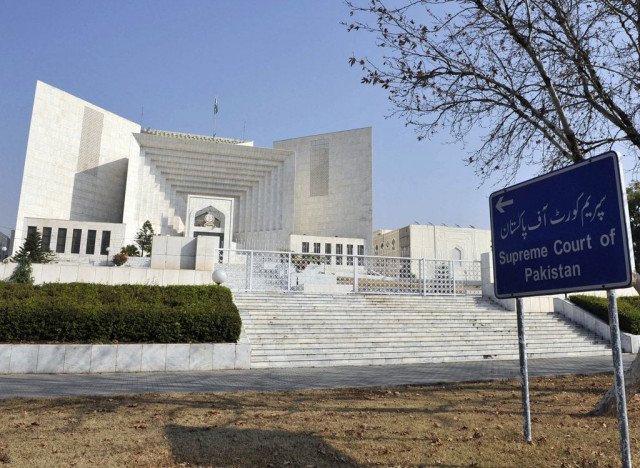

Supreme Court Justice Malik Shahzad Ahmad Khan has warned that false narcotics cases remain common in Pakistan. He said innocent citizens, opposition politicians, and people with personal disputes often become victims. Moreover, he called for strict interpretation of narcotics laws to protect fundamental rights.
Justice Khan made the observations in a 14-page dissenting opinion. The opinion addressed legal questions regarding forensic reports under the Control of Narcotic Substances Act, 1997, and the Rules of 2001.
Dissent Highlights Fair Trial Concerns
The Supreme Court constituted a larger bench to resolve conflicting judgments on forensic evidence requirements. Previously, one ruling declared complete testing protocols mandatory in government analysts’ reports. However, another judgment reached the opposite conclusion.
The majority ruled that the earlier Rule 6 requirement was directory rather than mandatory. In contrast, Justice Khan disagreed with that interpretation. He said every citizen enjoys constitutional protections under Articles 4 and 10-A. Therefore, authorities must ensure fair trials and due process in every criminal case.
Judge Calls for Strict Compliance
Justice Khan said strict compliance with narcotics laws protects innocent people from false prosecutions. He warned that incomplete forensic reports could weaken prosecutions and lead to acquittals. Additionally, such shortcomings could also prejudice individuals falsely implicated in narcotics cases.
He stressed that the Control of Narcotic Substances Act carries severe punishments. Therefore, courts and investigators must strictly follow all legal procedures and evidentiary requirements. He added that expert reports should fully comply with the prescribed rules.
According to the dissent, constitutional guarantees require authorities to act strictly within the law. Justice Khan concluded that following legal procedures protects both public justice and the rights of the accused.

