
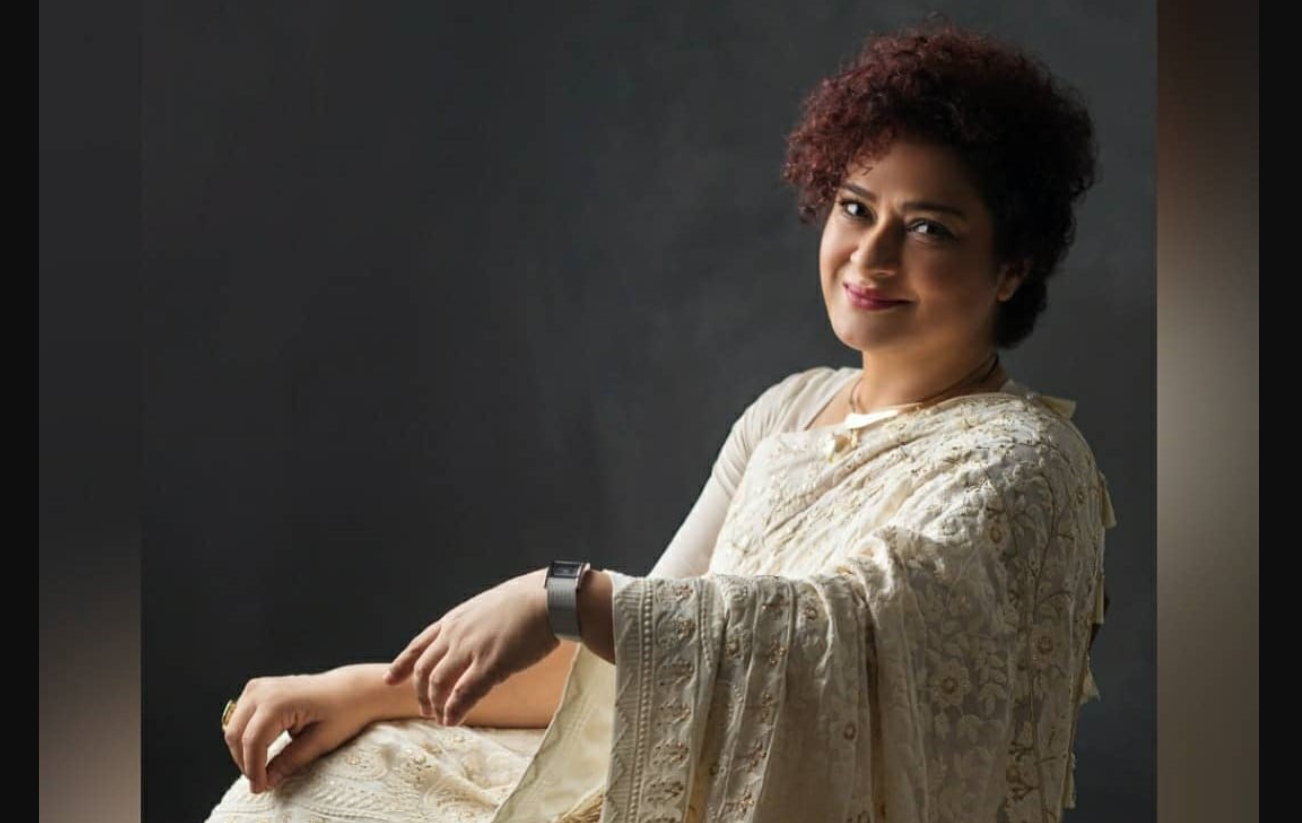

Actor Sania Saeed has criticised Pakistani television for oversimplified storytelling and a lack of complex female characters during a recent conversation with Aamna Haider Isani.
She argued that TV dramas underestimate audiences by relying on formulaic plots and “khichdi television” designed only for background viewing. As a result, she said viewers are denied meaningful emotional and intellectual engagement.
Saeed highlighted that writers like Bee Gul challenge these stereotypes by creating layered, morally complex characters. She praised directors such as Kashif Nisar and Mazhar Moin for supporting more realistic storytelling.
She rejected the industry claim that audiences only prefer simple content. Instead, she said this approach weakens viewers’ ability to understand and express their own struggles.
Saeed also pointed out that many writers and creators reinforce existing social biases, which leads television to normalise oppressive dynamics rather than question them.
Moreover, she urged audiences to stop judging flawed fictional characters too quickly. She said storytelling should reflect real human complexity instead of offering one-dimensional moral lessons.
According to Saeed, strong storytelling respects the intelligence of viewers while maintaining artistic integrity. She stressed that even within commercial pressures, creators can still produce authentic emotional moments.
Ultimately, she said television should not reduce entertainment to passive consumption. Instead, it should encourage awareness, reflection, and deeper understanding of society.
Her remarks highlight ongoing debates in Pakistani media about representation, audience expectations, and the need for more nuanced narratives, especially around women portrayed in morally grey roles.

