
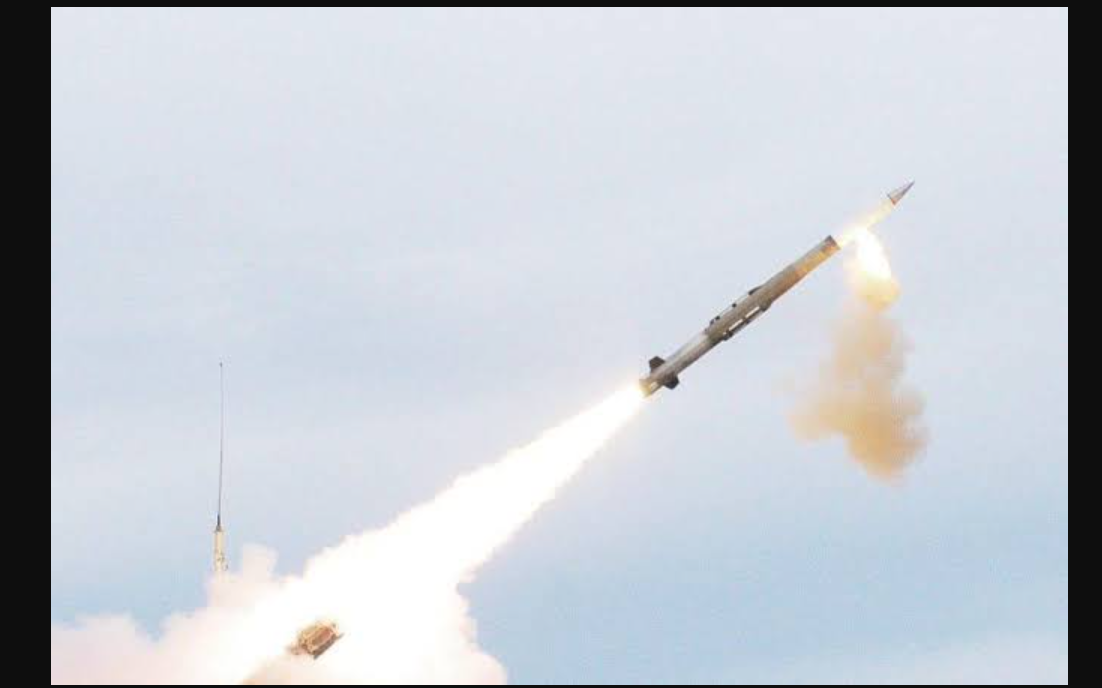

The United States has signed a defense agreement worth more than $3 billion with Lockheed Martin and Northrop Grumman to increase production of critical components for Patriot and Terminal High Altitude Area Defense (THAAD) interceptor missiles.
The agreement comes as ongoing conflicts and growing global security demands continue to place pressure on US missile inventories. Consequently, the Pentagon is moving to strengthen production capacity for key air defense systems.
The latest framework agreement also follows another major defense contract announced last week, highlighting Washington’s broader effort to accelerate missile manufacturing.
Pentagon Expands Missile Production Capacity
According to the Pentagon, the new agreement will significantly increase production capabilities for two of the United States’ primary air defense systems.
The framework is expected to allow Patriot missile production to triple. Meanwhile, THAAD system production is projected to quadruple.
The expanded manufacturing effort is designed to strengthen the US defense industrial base. Moreover, it aims to improve the availability of interceptor systems used for air and missile defense.
The agreement also follows last week’s contract awarded to Lockheed Martin, which could be worth up to $58.6 billion for the production of Patriot interceptor missiles.
Growing Demand Has Increased Pressure on Inventories
The United States has supplied substantial quantities of military equipment to allied countries in recent years.
At the same time, American forces have also used munitions during the conflict involving Iran. As a result, concerns have grown regarding stockpiles of air defense and precision-guided weapons.
According to a recent estimate by the Center for Strategic and International Studies, the US military currently has fewer than 1,000 Patriot interceptors and fewer than 250 THAAD interceptors available.
Both missile systems have seen extensive operational use across the Middle East, increasing the demand for additional production.
New Agreement Targets Critical Missile Components
The Pentagon said the agreement will establish a second production source for PAC-3 solid rocket motors, an essential component of Patriot interceptor missiles.
In addition, the framework will increase production of ignition safety devices used in the missile systems.
Officials have also encouraged defense contractors to accelerate manufacturing timelines following preliminary production agreements reached earlier this year.
The latest deal is intended to improve supply resilience while reducing potential manufacturing bottlenecks.
Ukraine’s Air Defense Needs Remain Significant
The continued expansion of missile production also reflects growing international demand for advanced air defense systems.
Ukraine has repeatedly faced shortages of Patriot interceptor missiles. These systems remain the only weapons in its current arsenal capable of intercepting ballistic missiles.
Strengthening production could help improve future availability as demand continues across multiple regions.
Broader Defense Manufacturing Effort Continues
The latest agreement forms part of a wider US strategy to increase missile production across several defense programs.
Previously, the United States reached a similar framework agreement with RTX, the parent company of Raytheon, to expand production of Tomahawk cruise missiles.
Under that arrangement, annual production is expected to increase from approximately 60 missiles to an eventual target of 1,000 missiles per year.
Together, these agreements demonstrate the Pentagon’s ongoing efforts to strengthen defense manufacturing capacity and improve long-term readiness amid evolving global security challenges.

