
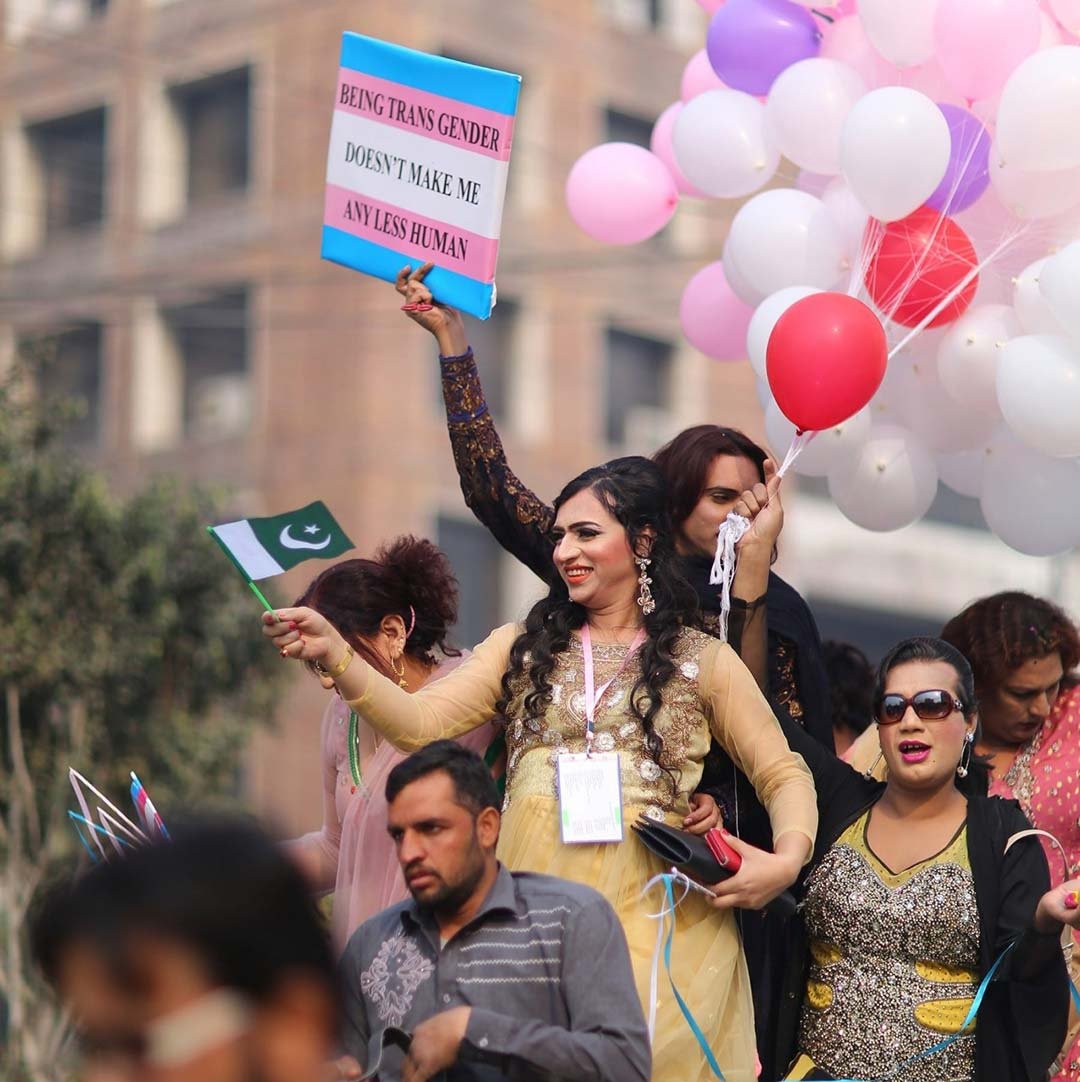

LAHORE: The Lahore High Court (LHC) was informed on Wednesday that Punjab has a severe shortage of public sanitation facilities for transgender persons and people with disabilities, highlighting major gaps in the province’s public infrastructure.
The disclosure came through a report submitted by the Secretary of Local Government during proceedings before Justice Raheel Kamran. The report was presented in response to a petition seeking improved public sanitation facilities across Punjab.
According to the report, Punjab currently has 1,420 public toilets. Of these, 1,293 are functional, while 127 remain non-functional and require repairs or maintenance.
The report further revealed that 672 public toilets are designated for men and 568 for women. However, facilities for marginalized groups remain extremely limited. Only five public toilets are reserved for transgender persons across the entire province, while just 10 are designed for people with disabilities.
The case was heard on a petition filed by Judicial Activism Panel lawyer Azhar Siddique. During the hearing, the petitioner’s counsel argued that the shortage of accessible public toilets is creating serious difficulties for citizens, particularly transgender individuals and persons with disabilities who require dedicated and accessible facilities.
The lawyer urged the court to seek a comprehensive response from the relevant government departments regarding existing sanitation infrastructure and the measures being taken to improve public facilities throughout Punjab.
After reviewing the report, Justice Raheel Kamran directed the petitioner’s counsel to present detailed arguments at the next hearing. The court will further examine the matter before issuing additional directions.
The case has drawn attention to the need for more inclusive public infrastructure across Punjab. Advocates argue that expanding accessible sanitation facilities is essential for ensuring equal access to public spaces and improving the quality of life for vulnerable and marginalized communities throughout the province.

