
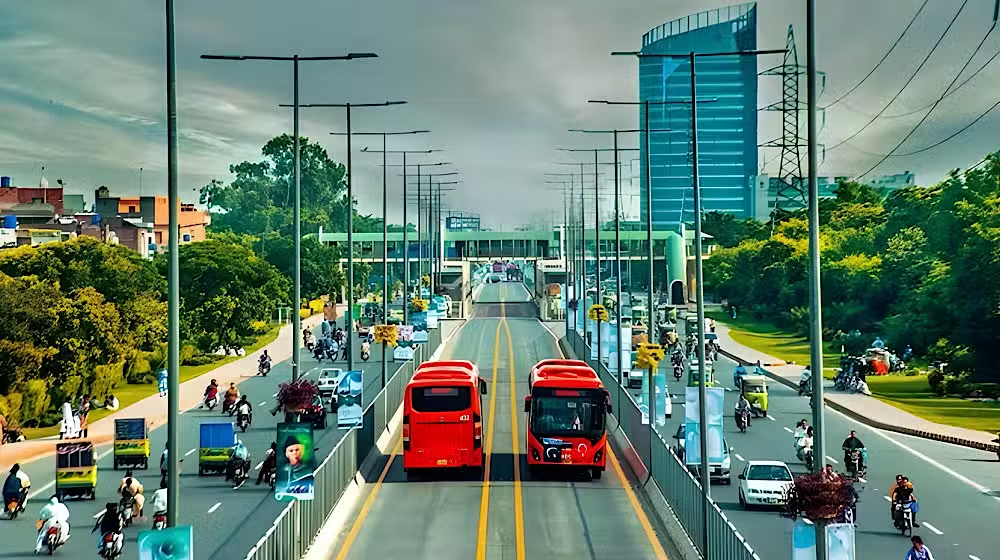

The federal budget 2026–27 has provided significant relief for commuters in Rawalpindi and Islamabad, as funding for public transport services has been substantially increased to improve accessibility and affordability.
Moreover, the subsidy for Metro Bus and Green Electric Bus services in the twin cities has been raised from Rs3 billion in the previous fiscal year to Rs7.3 billion in the new budget.
Focus on Affordable Urban Mobility
This increase in subsidy is aimed at strengthening public transport systems and ensuring that commuters continue to benefit from low-cost and reliable travel options across major routes.
In addition, the enhanced funding will support both existing and expanding transport networks, helping reduce travel costs for daily passengers in the region.
Metro Bus Service Expansion and Stability
The Metro Bus Service connecting Rawalpindi and Islamabad has been operational since 2014 and continues to serve millions of passengers each day across key urban corridors.
Moreover, officials indicate that continued financial support will help maintain service quality while ensuring smooth operations for the growing number of commuters.
Green Electric Bus Network Expansion
Alongside the Metro Bus system, the government has also included expansion plans for the Green Electric Bus service in the new financial year.
Furthermore, the plan involves introducing electric buses on 20 additional routes and sectors across the twin cities in phased stages to improve urban mobility coverage.
Existing Transport Network Growth
Public transport services have already been launched on 23 routes across Rawalpindi Division, and the system continues to expand to meet increasing demand.
Additionally, the introduction of Green Electric Buses on new routes is expected to further strengthen connectivity between residential and commercial areas.
Policy Focus on Sustainable Transport
The increased subsidy reflects a broader policy focus on sustainable and affordable urban transport solutions, particularly through electric mobility initiatives.
Moreover, the expansion of green transport options aligns with efforts to modernize public transit infrastructure while reducing operational costs and environmental impact.
Conclusion
The increase in public transport subsidy to Rs7.3 billion marks a significant step toward improving urban mobility in the twin cities, as Metro Bus stability and Green Electric Bus expansion continue to enhance commuter convenience and transport accessibility.

