
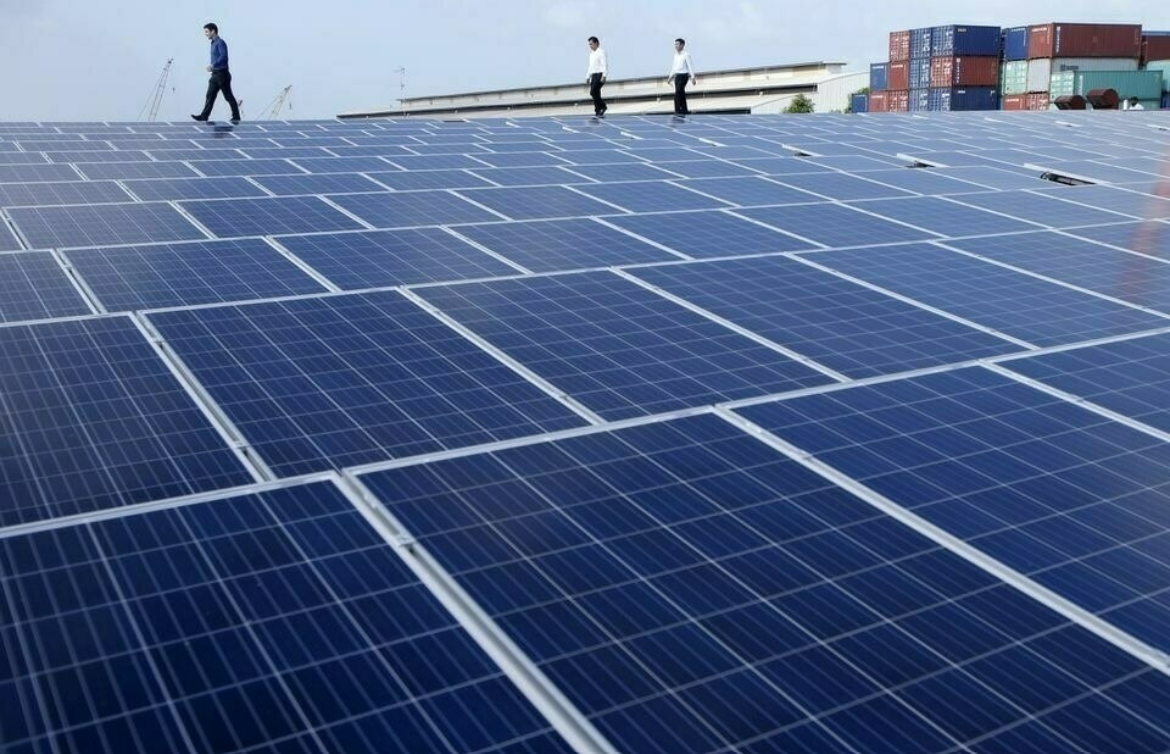

Pakistan’s rooftop solar capacity has expanded incredibly fast over the past six years. In fact, capacity grew nearly 37-fold.
By June 2026, rooftop solar installations reached almost 7,000 MW. This rapid growth prompted a major policy shift. Consequently, the government decided to replace the traditional net metering regime.
They introduced a brand-new net billing system instead. This change aims to address growing financial and technical challenges. Specifically, these challenges heavily impact the local power sector.
The Drivers Behind the Solar Surge
Energy Adviser to the Power Division, Syed Faizan Ali, shared valuable data. He noted that solar generation under net metering was very low in FY2020. Back then, it stood at just 190 MW.
However, capacity surged to around 6,978 MW by FY2026. This rapid expansion happened for three major reasons. First, electricity prices rose sharply. Second, the Pakistani rupee depreciated significantly. Finally, global solar panel prices experienced a massive drop.
According to official data, the rupee depreciated by about 75 percent. This drop occurred between FY2021 and FY2025. Meanwhile, electricity tariffs increased by nearly 140 percent.
Furthermore, imported solar panel prices fell by approximately 60 percent. Naturally, these factors made rooftop solar highly attractive. As a result, record-breaking installations occurred across the country.
Why Net Metering Had to Change
The old net metering system used a one-to-one credit mechanism. However, this model created intense financial pressure.
Officials estimated a massive revenue impact of Rs. 101 billion in FY2024. Therefore, policymakers decided to act. They introduced the new Prosumer Regulations 2026. This policy officially took effect on February 8, 2026.
How the New Net Billing System Works
The new net billing framework alters how solar users receive credits. New rooftop solar consumers now receive a lower reference price. This rate applies specifically to electricity exported back to the grid.
Meanwhile, they still pay the full retail tariff for any imported power. This structure protects the grid’s financial health.
Fortunately, existing consumers will not face immediate changes. Those with active 2015 agreements will keep their benefits. These benefits remain valid until their contracts expire.
Moving forward, the government faces a delicate balancing act. They must keep rooftop solar attractive for consumers. Simultaneously, they must protect the financial health of the power sector. Finally, they must prevent extra costs for non-solar users.

