

High-Level Visit Aims to Revive Stalled Iran–US Dialogue
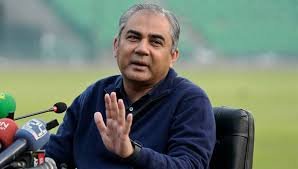
Pakistan’s Interior Minister Mohsin Naqvi has arrived in Tehran on a key diplomatic mission aimed at supporting efforts to revive stalled peace talks between Iran and the United States. Iranian media reported that the visit is part of Islamabad’s broader strategy to encourage regional stability and reduce tensions in the Middle East.
Naqvi’s arrival comes at a sensitive time, as diplomatic channels between Tehran and Washington remain fragile despite a ceasefire that has temporarily halted recent hostilities. His two-day visit is being viewed as another attempt by Pakistan to play a mediating role in regional conflicts.
According to reports, Naqvi is in Tehran to “facilitate” discussions that could help restart dialogue between the two long-standing rivals. The visit highlights Pakistan’s increasing involvement in diplomatic engagement aimed at preventing further escalation in the region.
Iranian Interior Minister Eskandar Momeni welcomed Naqvi upon his arrival. The reception underscored the importance both sides are placing on continued cooperation and dialogue.
Pakistan’s Continued Mediation Role Between Tehran and Washington
Pakistan has been actively engaged in diplomatic outreach between Iran and the United States over the past several months. Officials in Islamabad believe that regional peace depends on sustained communication between all key stakeholders.
Earlier, Pakistan’s Chief of Defence Forces and Chief of Army Staff Field Marshal Asim Munir also visited Tehran as part of broader mediation efforts. During that visit, he met Iran’s political and military leadership and discussed regional security concerns.
Field Marshal Munir’s delegation included Interior Minister Mohsin Naqvi, marking continuity in Pakistan’s diplomatic engagement with Iranian leadership. These meetings were aimed at supporting dialogue and reducing tensions following recent conflicts in the region.
Iranian officials reportedly appreciated Pakistan’s role in encouraging diplomatic solutions. They specifically acknowledged efforts made by Field Marshal Munir in promoting dialogue with Washington.
Naqvi’s current visit builds on those earlier discussions and focuses on exploring practical steps toward reviving peace talks between Iran and the United States.
Regional Stability and Fragile Ceasefire Shape Diplomatic Efforts
The diplomatic push comes after a fragile ceasefire, announced on April 9, temporarily halted military tensions triggered by earlier strikes involving US and Israeli forces against Iran. Although the ceasefire has reduced active conflict, the situation remains unstable.
Iranian Foreign Minister Abbas Araghchi recently stated that Tehran has received signals from Washington indicating a willingness to resume negotiations. However, key differences between both sides continue to slow progress.
At the same time, Iran’s parliamentary leadership has taken a firm position, warning that failure to accept Tehran’s proposals could result in further diplomatic breakdown. Iranian officials insist that any agreement must respect Iran’s stated conditions and political framework.
During Naqvi’s meeting with Iranian Interior Minister Momeni, both sides discussed regional security developments and bilateral cooperation. They also reviewed ongoing efforts to support peace talks and improve communication channels between Tehran and Washington.
Officials from both countries emphasized the importance of maintaining regional stability and preventing further escalation. They also agreed to continue consultations on shared concerns affecting peace and security in the broader Middle East.
Pakistan’s diplomatic engagement reflects its continued effort to position itself as a constructive regional mediator. Analysts say Islamabad’s involvement could help maintain dialogue channels open at a critical time.
As discussions continue, hopes remain that renewed diplomatic efforts may eventually lead to a more structured and lasting peace process between Iran and the United States.

