
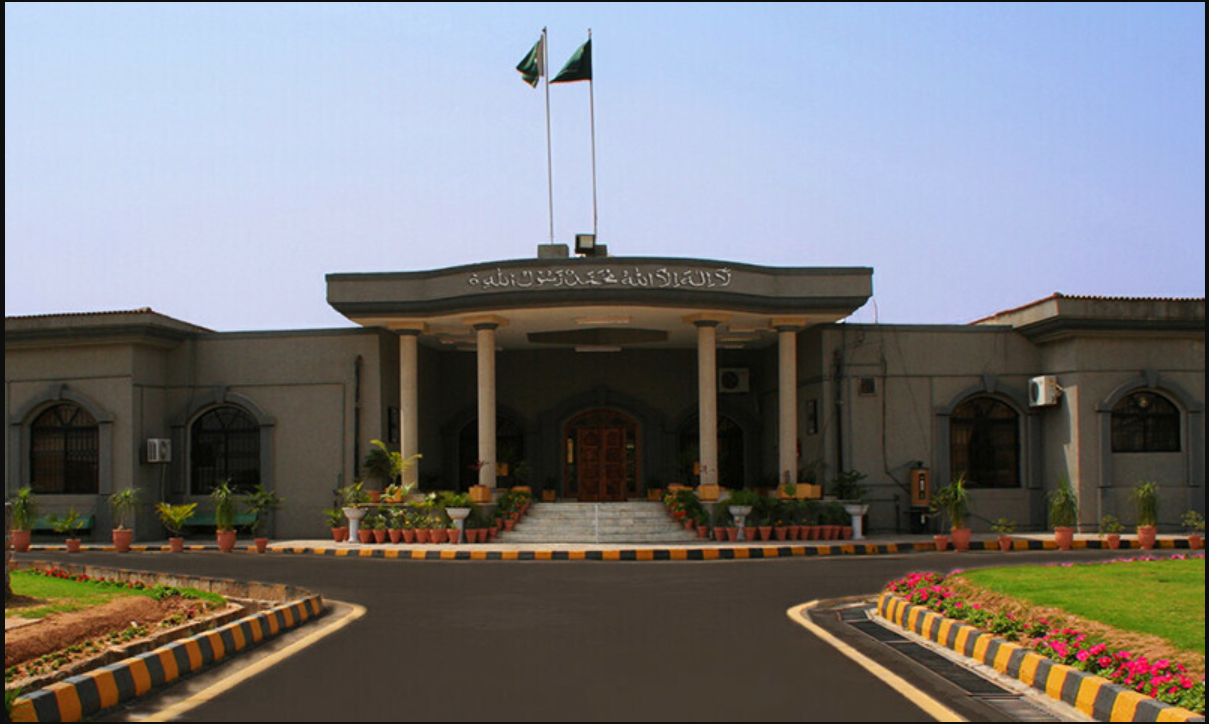

The Islamabad High Court has ruled that intelligence reports cannot be used as the sole basis to deny foreign postings to selected government officers. The decision sets aside the government’s earlier action that blocked appointments despite completed recruitment procedures.
The court observed that executive authorities cannot withdraw accrued rights based on undisclosed intelligence assessments. It further emphasized that such reports must be shared or presented in court for legal scrutiny.
Court Declares Government Decision Unlawful
In a detailed judgment, the court declared the Ministry of Commerce’s decision unlawful. The ruling stated that foreign postings were withheld only on the basis of adverse intelligence inputs.
These inputs were attributed to the Intelligence Bureau. However, the reports were neither disclosed to the affected candidates nor properly justified before the court.
The court noted that executive decisions must follow due process. It also stressed that transparency is essential in matters involving employment rights.
Recruitment Process Completed in Full
The case involved recruitment for Trade and Investment Officers assigned to Pakistan’s foreign missions. The process began in December 2024.
Candidates successfully completed written tests, psychometric evaluations, and interviews. They also received approval from the prime minister after selection.
In addition, they completed mandatory training programs. Pre-departure requirements were also fulfilled before final deployment.
Despite meeting all conditions, several candidates were denied appointment letters. Authorities labeled them “not suitable for posting abroad.”
Reliance on Undisclosed Intelligence Reports Challenged
The court highlighted that the commerce ministry acted solely on intelligence-based assessments. These assessments were not explained or shared with the affected individuals.
Moreover, the ministry itself did not fully understand the reasons behind the adverse findings. It simply acted on a summary recommendation received from the intelligence agency.
The judgment stressed that decisions affecting employment rights cannot rely on secret material alone. It further stated that affected individuals must be given a fair opportunity to respond.
Legal Arguments Presented in the Case
Lawyers representing the petitioners argued that the selection process had already been completed. They stated that candidates had acquired vested rights after fulfilling all legal requirements.
They also argued that the government could not reverse a merit-based process through undisclosed vetting reports.
The court considered these arguments while reviewing the administrative record. It found that the process had reached final stages before being halted.
Court Emphasizes Transparency and Due Process
The ruling reinforced the importance of transparency in public employment decisions. It stated that executive authorities must provide justification for adverse actions.
Additionally, it highlighted that secret reports cannot override completed merit-based selections. The court emphasized that fairness and legal process must guide administrative decisions.
Conclusion
The Islamabad High Court’s decision marks a significant clarification on the use of intelligence reports in employment matters. It reinforces that undisclosed assessments cannot override established rights.
The ruling strengthens procedural transparency in government recruitment. It also ensures that merit-based selections remain protected under due process standards.

