
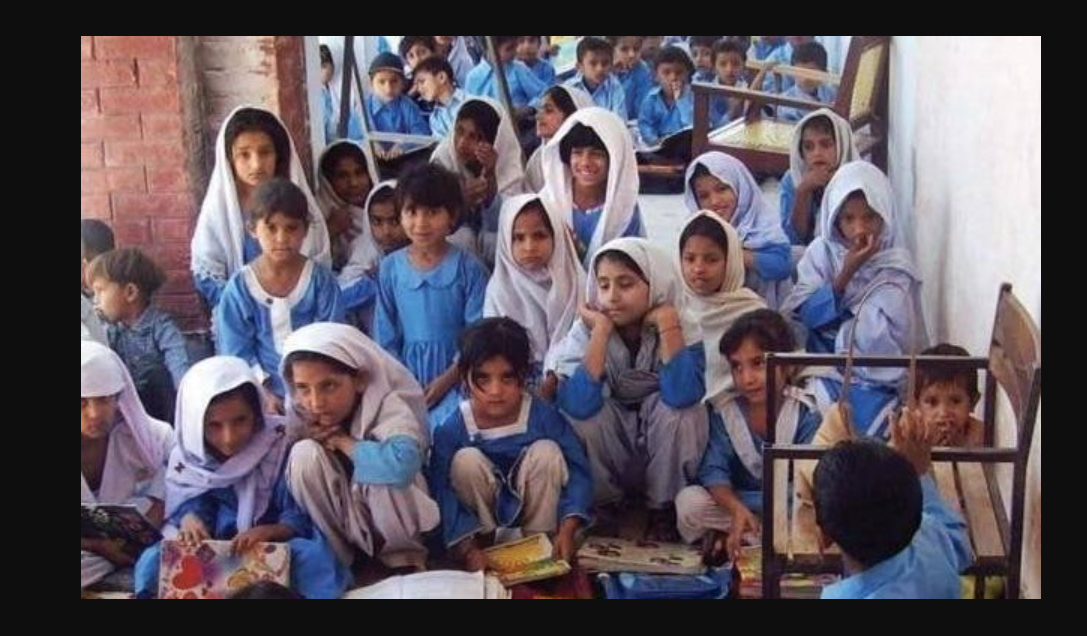

Pakistan is witnessing a sharp rise in poverty levels. The national poverty rate climbed to 28.9% in FY2024–25. It stood at 21.9% in 2018–19.
The Pakistan Economic Survey 2025–26 confirms this reversal. It highlights a major setback in welfare indicators. Inflation and economic pressures have driven the increase.
“The latest estimates, however, indicate a reversal in this declining trend.”
The poverty line also shifted significantly due to inflation. It rose from Rs 3,757.85 per adult per month in 2018–19 to Rs 8,484 in 2024–25.
Rural Areas Hit Harder Than Cities
Rural communities faced the sharpest increase in poverty. Rural poverty rose from 28.2% to 36.2%.
Urban poverty also increased. It moved from 11.0% to 17.4%.
The survey states clearly, “Poverty remained significantly higher in rural areas.”
These figures show widening economic stress across both urban and rural regions.
Provincial Inequality Continues to Worsen
All provinces recorded worsening poverty conditions. Balochistan remains the most affected region.
Balochistan’s poverty level reached 47.0%, compared to 41.8% in 2018–19. Khyber Pakhtunkhwa followed at 35.3%.
Sindh recorded 32.6%, while Punjab stood at 23.3%.
Income inequality has also increased nationwide. The Gini coefficient rose from 28.4 to 32.7.
“This suggests that the recent rise in poverty was accompanied by wider disparities in income distribution.”
External Risks Threaten Further Worsening
The survey warns that external shocks could deepen poverty further. Global conflicts and regional instability remain key risks.
A UNDP-based assessment suggests 8.8 million people could fall into poverty under disruption scenarios.
“The shock is strongly regressive. It hurts the poor first and the poor most.”
Remittances also remain vulnerable. Nearly 55% of Pakistan’s remittances come from the Middle East.
Education Spending Falls Sharply
Education spending has dropped to a concerning level. It now stands at just 0.8% of GDP in FY2025.
This is down from 1.5% in FY2023. Total education expenditure fell to Rs 962 billion from Rs 1,251 billion.
The report shows a 23% decline in spending.
“Pakistan’s education sector requires sustained reforms aimed at improving access, quality, learning outcomes, equity and governance across all levels of education. Enhanced public investment in education remains essential.”
Provincial Cuts Deepen the Crisis
Education budgets were reduced across most provinces. Punjab saw a dramatic 64% cut.
Khyber Pakhtunkhwa recorded a 62.6% reduction. Sindh and Balochistan saw increases, but overall investment remains uneven.
These cuts highlight weak fiscal prioritisation in key social sectors.
Education Infrastructure Remains Weak
School infrastructure gaps continue to persist. Only 59% of primary schools have electricity nationwide.
In Balochistan, the situation is more severe. Just 21% of schools have electricity.
Even basic facilities are missing in many areas. Toilet availability in some schools is as low as 0.3%.
Literacy and Out-of-School Children
Pakistan’s literacy rate stands at 63%. Female literacy remains lower at 54%.
Nearly one in three children is still out of school. However, this figure has improved from 38% to 28%.
Despite progress, the education system continues to face structural challenges.
Conclusion
Pakistan’s latest economic indicators show a worrying trend. Poverty is rising, and education investment is falling sharply.
The survey stresses urgent reforms. Without sustained investment, both human development and economic stability may face long-term pressure.

