
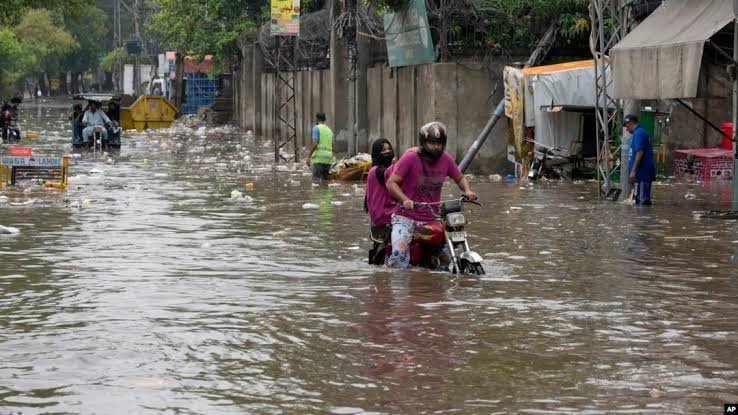

Pakistan faces climate risks similar to Nepal and must accelerate resilience measures, the Overseas Investors Chamber of Commerce and Industry (OICCI) said. The chamber issued the statement after devastating floods in Nepal caused significant loss of life and property damage. Moreover, OICCI expressed solidarity with the Nepalese people and highlighted the growing threat of climate disasters across South Asia.
The chamber warned that Pakistan remains highly vulnerable to floods, heatwaves and other extreme weather events. It noted that recent disasters have displaced communities, damaged infrastructure and disrupted livelihoods. Therefore, OICCI urged authorities to invest in preventive measures before future emergencies occur.
Pakistan Faces Growing Climate Threats
According to OICCI, Pakistan recorded its second-warmest year in 65 years during 2025. Meanwhile, 2024 remained the hottest year ever recorded in the country. Rising temperatures, glacial melting and changing rainfall patterns continue to increase risks for communities, agriculture and the economy.
The chamber also referred to Climate Change Minister Musadik Masood Malik’s statement. He said climate-related impacts cost Pakistan nearly one percent of its GDP annually. Consequently, experts continue to stress the need for stronger adaptation strategies nationwide.
OICCI Calls for Long-Term Climate Investment
OICCI acknowledged ongoing efforts to improve early-warning systems for floods and heatwaves. However, it said authorities must further strengthen these systems to enhance disaster preparedness. Effective warning mechanisms can help communities respond quickly and reduce losses.
Furthermore, the chamber called for greater investment in climate-resilient infrastructure and predictive technologies. It also urged policymakers to improve emergency response capabilities and community-level preparedness. Such measures can help identify high-risk areas and provide timely alerts.
In addition, OICCI stressed that smarter disaster management can protect lives and critical infrastructure. As extreme weather events become more frequent, stronger resilience measures remain essential. The chamber concluded that proactive planning will help Pakistan reduce risks and safeguard future economic stability.

