
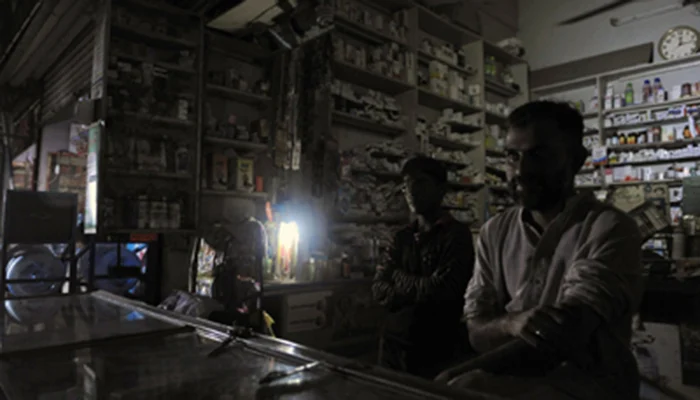

Pakistan is grappling with severe electricity shortages despite official claims of controlled outages. A recently announced “2.25-hour load management” plan has failed to deliver relief. Instead, citizens across the country report long and unannounced power cuts.
The government had promised limited outages during peak hours. However, the ground reality paints a different picture. Many areas are experiencing prolonged electricity disruptions. These outages are affecting homes, businesses, and essential services.
In Islamabad, residents reported extremely limited electricity supply. Some said power was available for only 45 minutes during early morning hours. This situation has raised serious questions about energy management policies.
People are also questioning high electricity bills. Consumers say they are paying capacity charges to independent power producers. Yet, they are not receiving reliable supply. This has added to public frustration.
Urban Centers Hit Hard by Unpredictable Outages
Major cities are facing worsening load shedding. In Lahore, outages have doubled in duration. Residents report two hours without electricity after every one hour of supply. This pattern is disrupting daily routines.
In Muzaffargarh, the situation is also difficult. People describe a cycle of one hour with electricity followed by one hour without it. Such conditions make it hard to manage household and work responsibilities.
Energy shortages are being linked to fuel issues. Expensive furnace oil and limited RLNG supplies have strained the system. The crisis is unfolding even before peak summer demand begins.
Citizens fear the situation will worsen as temperatures rise. Increased use of air conditioners could further pressure the grid. This raises concerns about longer outages in the coming months.
Public Anger Grows as Officials Face Criticism
Public frustration is rising across Pakistan. Senator Aon Abbas Bappi called the situation the worst load shedding in recent times. He warned that the country is being pushed into darkness.
Journalists and professionals are also raising concerns. Islamabad-based journalist Siddeeq Sajid said frequent outages are ruining sleep patterns. He criticized the gap between official statements and reality.
Healthcare workers are also struggling. A doctor reported facing up to 15 hours of outages. She said the situation makes remote work impossible. Many others share similar concerns.
On social media, the hashtag #لوڈشیڈنگ is trending. Users are comparing the crisis to the 2009–2014 period. During that time, outages lasted up to 18 hours in some areas.
Citizens are also angry over rising electricity costs. Many say fuel prices and bills are becoming unaffordable. They are demanding immediate action from authorities.
Calls for Transparency and Urgent Solutions
The growing crisis highlights a gap between policy and implementation. Citizens want clear answers about the causes of load shedding. They also demand transparency in energy planning.
Experts say better resource management is needed. Investment in energy infrastructure could help reduce outages. Renewable energy options are also being discussed as long-term solutions.
For now, people across Pakistan continue to suffer. Daily life remains disrupted. Businesses face losses, and households struggle to cope.
The situation calls for urgent government action. Without immediate steps, the crisis could deepen further. Reliable electricity supply remains a critical need for the country.

