
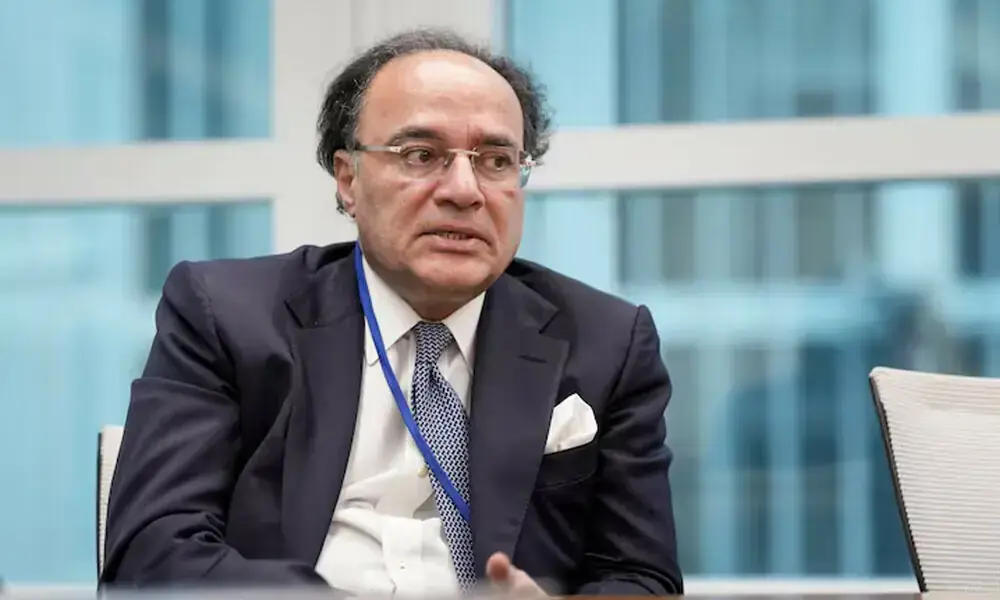

Pakistan could see improvements in its economic outlook after the Iran conflict ended. However, Finance Minister Muhammad Aurangzeb said it remains too early for budget revisions. He shared the remarks after the United States and Iran signed a deal.
Minister Sees Economic Upside Despite Supply Chain Challenges
Aurangzeb said the government had closely monitored risks from the conflict. The fighting damaged energy infrastructure and disrupted supply chains. Consequently, inflation returned to double-digit levels during the crisis.
He explained that supply chains would need time to recover fully. Therefore, the government remains cautious despite improving conditions. Nevertheless, Aurangzeb expressed confidence about next year’s economic projections.
“I do see upsides in what we have projected for next year,” he said. However, he stressed that revising the budget now would be premature.
Pakistan’s FY2026-27 budget targets economic growth of 4 percent. Meanwhile, the government expects inflation to average 8.2 percent.
Government Plans More International Bond Issuance
The finance minister also outlined plans to diversify Pakistan’s creditor profile. He said the government may replace some bilateral borrowing with commercial financing. However, Pakistan does not intend to increase its overall external debt.
Last month, Pakistan repaid $3.4 billion in bilateral UAE deposits. At the same time, it secured financing from UAE commercial banks. Therefore, officials view commercial borrowing as a strategic alternative.
Aurangzeb confirmed plans for additional Panda Bonds, Eurobonds, and US dollar bonds. The government is also considering its first rupee-linked, dollar-settled bond issue.
The FY2026-27 budget projects $2.82 billion in commercial and Eurobond financing. Pakistan also holds approval for up to $1 billion in Panda Bonds.

