

Oil prices continued to fall on Thursday as concerns over Middle East supply disruptions eased following an agreement aimed at ending the US-Israeli conflict with Iran.
Brent crude futures for August delivery dropped 40 cents, or 0.54 percent, to $73.34 per barrel. Meanwhile, US West Texas Intermediate crude fell 27 cents, or 0.38 percent, to $70.07 per barrel.
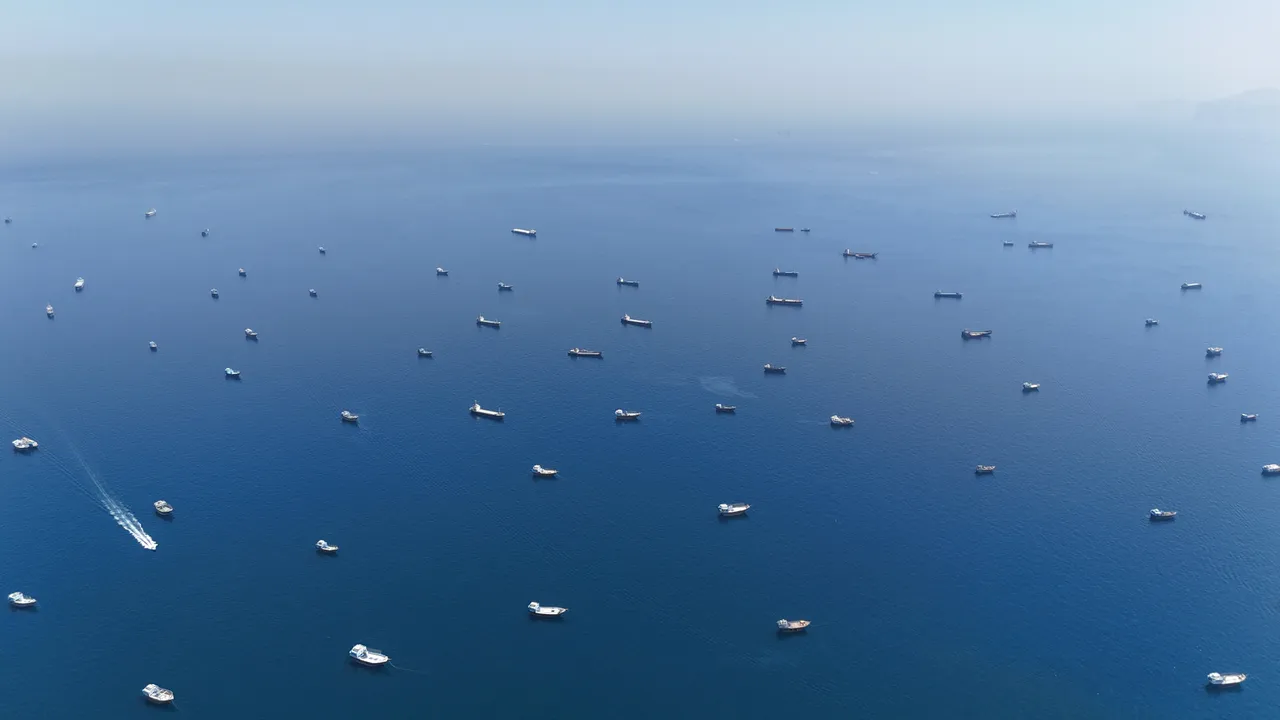
Market sentiment improved as stranded oil tankers resumed movement through the Strait of Hormuz. Consequently, traders reduced concerns about potential supply shortages in global energy markets.
August Brent crude also traded below the September contract price of $73.59 per barrel. This pricing structure indicated sufficient short-term oil supplies.
According to IG analyst Tony Sycamore, the pace of the decline surprised many market participants. He noted that traders now expect Middle Eastern oil exports to recover much faster than previously anticipated.
On Wednesday, Brent crude lost more than $3 per barrel. Similarly, US crude futures settled nearly $3 lower as supply risks continued to fade.
US Energy Secretary Chris Wright said oil flows through the Strait of Hormuz had nearly returned to pre-conflict levels. He revealed that at least 20 million barrels passed through the waterway during the previous 24 hours.
However, Wright explained that complete normalization could take several weeks. He said authorities must first complete demining operations in the strategic passage.
The preliminary accord reached last week enabled commercial shipping traffic to restart. Furthermore, the agreement established a 60-day negotiation period to address more complex issues, including Iran’s nuclear program.
Wright also expressed confidence that oil exports would continue even if negotiations encounter difficulties. He added that Iran would be unable to close the strait again.
Meanwhile, Oman introduced temporary shipping routes to ease tanker departures. Qatar also held talks in Oman regarding future management arrangements for the strategic waterway.

