

Asian markets trade mixed while investors shift focus to corporate earnings and AI spending outlook
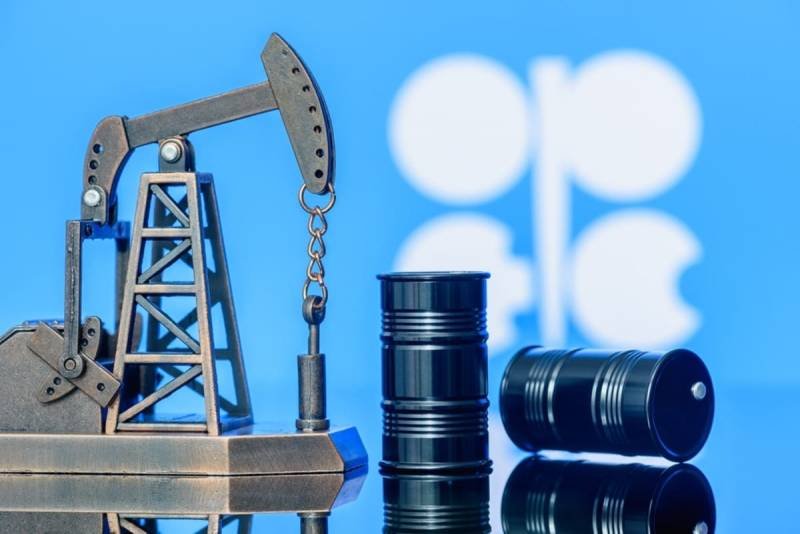
Global oil prices edged lower on Monday after OPEC+ agreed to raise production targets from August and exports through the Strait of Hormuz continued to recover, easing concerns over global supply disruptions.
Brent crude futures slipped 24 cents, or 0.33%, to $71.88 per barrel, while US West Texas Intermediate (WTI) crude fell 11 cents, or 0.16%, to $68.58 per barrel during early trading. Analysts said improving oil flows through the strategic waterway and optimism surrounding US-Iran peace efforts weighed on prices.
Meanwhile, Asian stock markets traded mixed as investors assessed the outlook for technology companies ahead of the upcoming earnings season. Markets also reacted to weaker-than-expected US employment data, which reduced expectations of an immediate interest-rate increase by the Federal Reserve.
Technology stocks remain in focus
Tokyo, Seoul, Singapore and Sydney traded lower, while Hong Kong, Shanghai, Wellington and Taipei posted modest gains. South Korea’s Kospi index fell sharply as technology stocks remained volatile.
Investor attention remained fixed on artificial intelligence, with major companies including Alphabet, Amazon, Meta and Microsoft planning to invest more than $725 billion in AI this year. Taiwan-listed Foxconn also reported stronger-than-expected quarterly sales, driven by demand for AI servers, electric vehicles and robotics, sending its shares higher.
Market participants are now closely watching corporate earnings for signals on future AI investments and profitability.
Analysts expect oil market to stay supported
Despite the recent decline in prices, analysts cautioned that lower crude costs may take time to ease inflationary pressures. SPI Asset Management’s Stephen Innes said reduced shipping risks in the Strait of Hormuz help lower the immediate market premium but do not eliminate existing cost pressures across global supply chains.
Bank J Safra Sarasin Chief Economist Karsten Junius added that oil exports remain below pre-war levels, while efforts to rebuild strategic reserves are likely to support demand. He projected crude prices would likely stabilise between $75 and $80 per barrel over the coming year, keeping inflationary pressures elevated despite the recent market pullback.

