
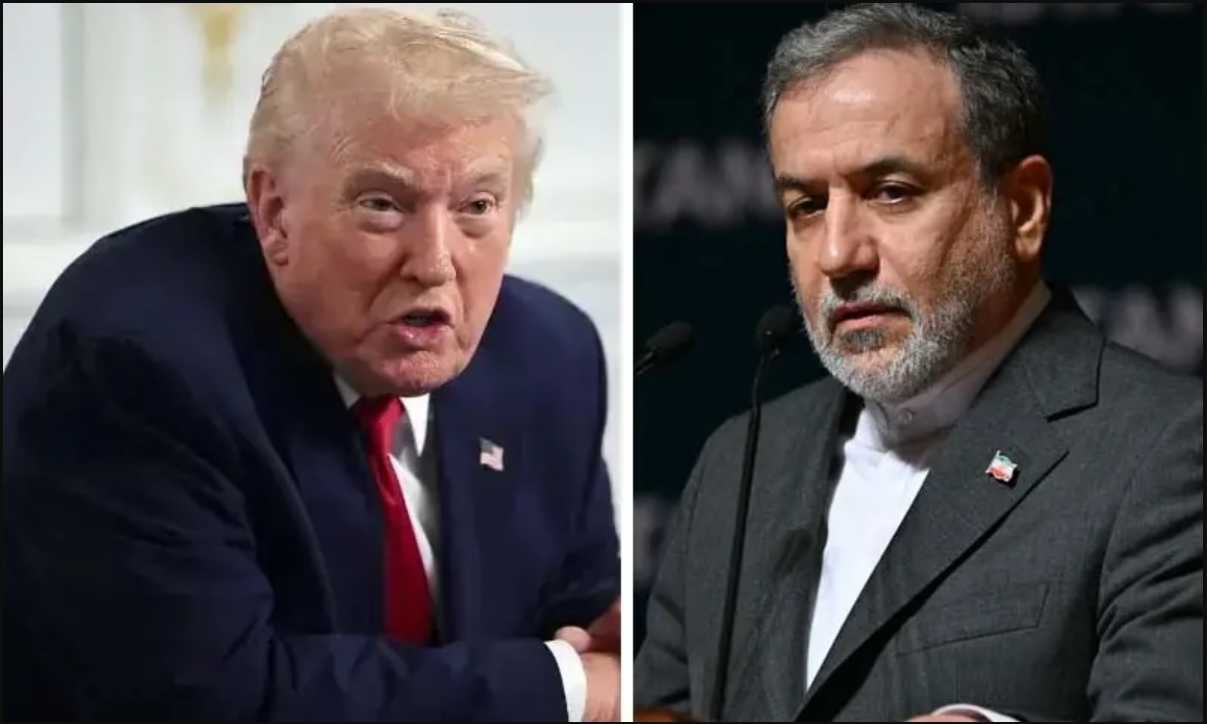

Iran has declared that the United States is no longer in a position to dictate policies to other nations, as Washington considers a new proposal from Tehran aimed at ending the ongoing conflict in the Middle East. The statement reflects rising geopolitical tensions and shifting alliances across the region.
Remarks at SCO Meeting Highlight Iran’s Strategic Messaging
Iranian Deputy Defence Minister Reza Talaei-Nik made the comments during a meeting of defense ministers from the Shanghai Cooperation Organisation held in the capital of Bishkek. According to Iranian state media, Talaei-Nik emphasized that independent nations are increasingly shaping their own security policies without external pressure. He argued that global power dynamics are evolving and that countries are seeking stronger regional partnerships to safeguard their sovereignty and security interests.
Furthermore, the Iranian official stated that Washington would eventually have to accept what he described as the need to abandon “illegal and irrational demands.” His remarks came as diplomatic discussions continue over potential pathways to de-escalate tensions and stabilize the broader Middle East region. Analysts note that such statements often signal negotiating positions rather than final policy decisions.
Iran Signals Willingness to Share Defense Capabilities
During the same meeting, Talaei-Nik announced that Iran stands ready to share its defensive weapons capabilities with what he called “independent countries,” particularly members of the Shanghai Cooperation Organisation. He indicated that expanded military cooperation could strengthen regional security frameworks and improve collective defense readiness among partner states.
The statement also underscores Iran’s efforts to deepen strategic ties with countries across Asia and Central Eurasia at a time of heightened confrontation with Western powers. Meanwhile, policymakers in Washington continue to evaluate Tehran’s latest proposal related to ending hostilities and restoring stability in the region.
Overall, the exchange highlights intensifying geopolitical competition and the growing importance of multilateral security alliances in shaping the future balance of power.

